France: Paris, Avignon, and Marseille - March 2026
Posted March 25, 2026 - 94 Photos. We made another trip to France, so Rick could work on his French speaking and comprehension. We started in the capital city Paris, where the weather was mostly rainy and chilly (reminding us of our trip to Florida earlier in 2026). After a couple nights in Paris, we took a night train to Marseille in the south, where we encountered a nasty little thunderstorm while we waited for our next train to Avignon. After spending a couple of days in Avignon, we took a train back to Marseille, which is France’s second largest city. The weather was quite pleasant for the second half of our trip, which was nice since we were outside more often than in Paris. Rick feels like he did a decent job with his French, although he had his share of blunders. But all-in-all, it seemed like just about everyone understood him and he understood them!
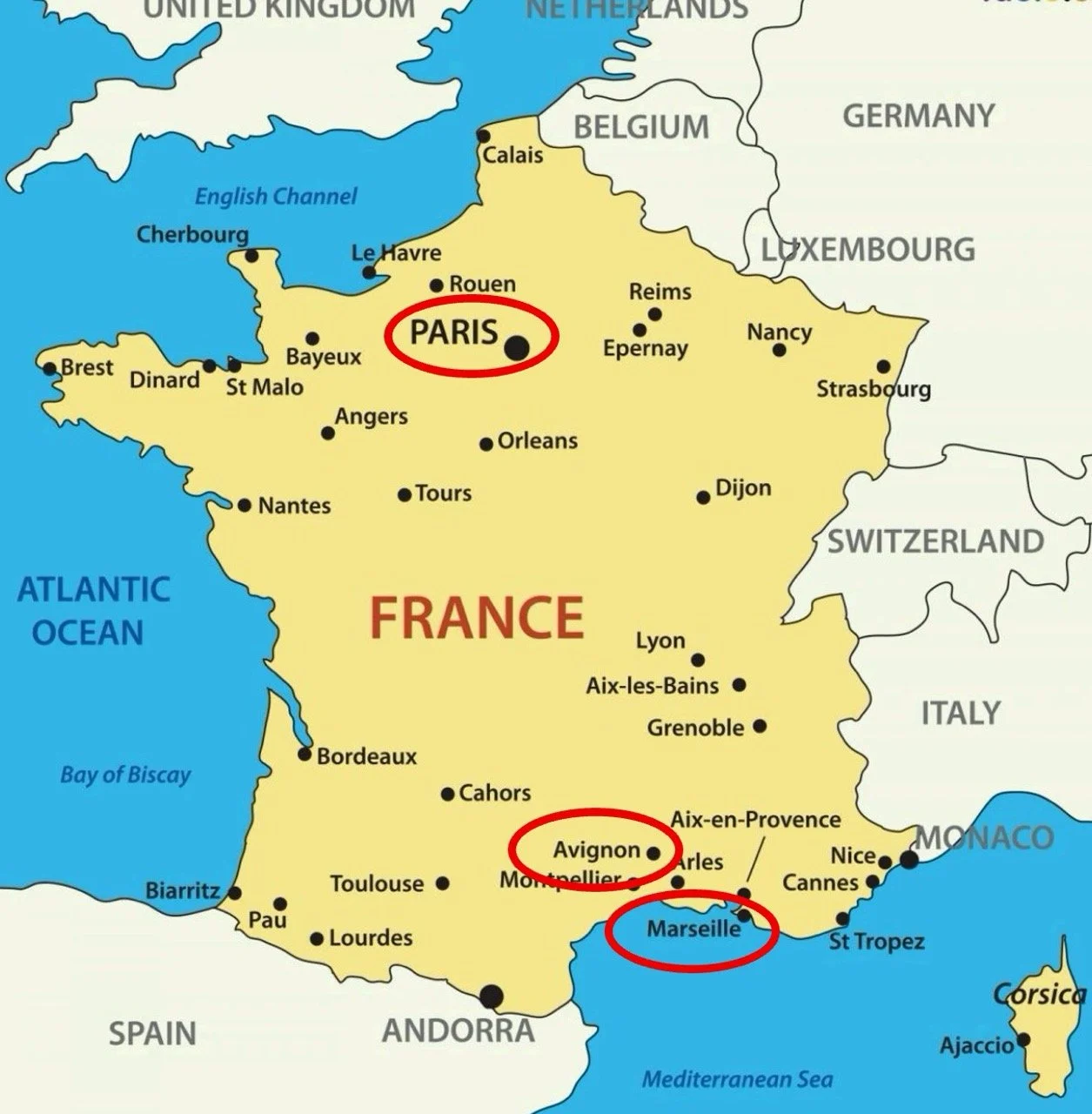
01 - The French cities that we visited. It's about 475 miles from Paris to the Marseille/Avignon area.
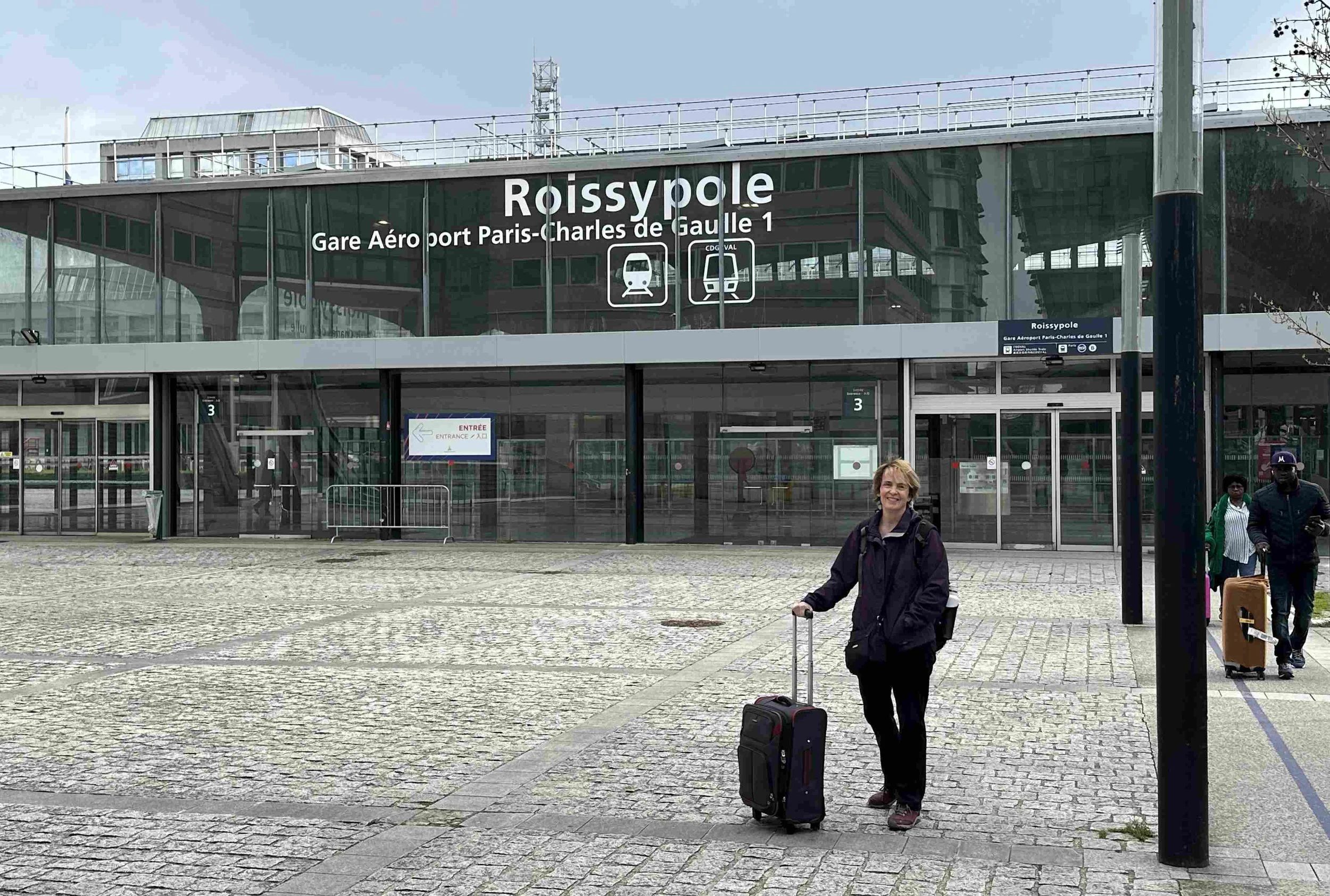
02 - We booked a day-use hotel at the Paris airport, so we could catch-up on our sleep before heading into the city. Here's Julie outside the airport train station, after our refreshing naps.
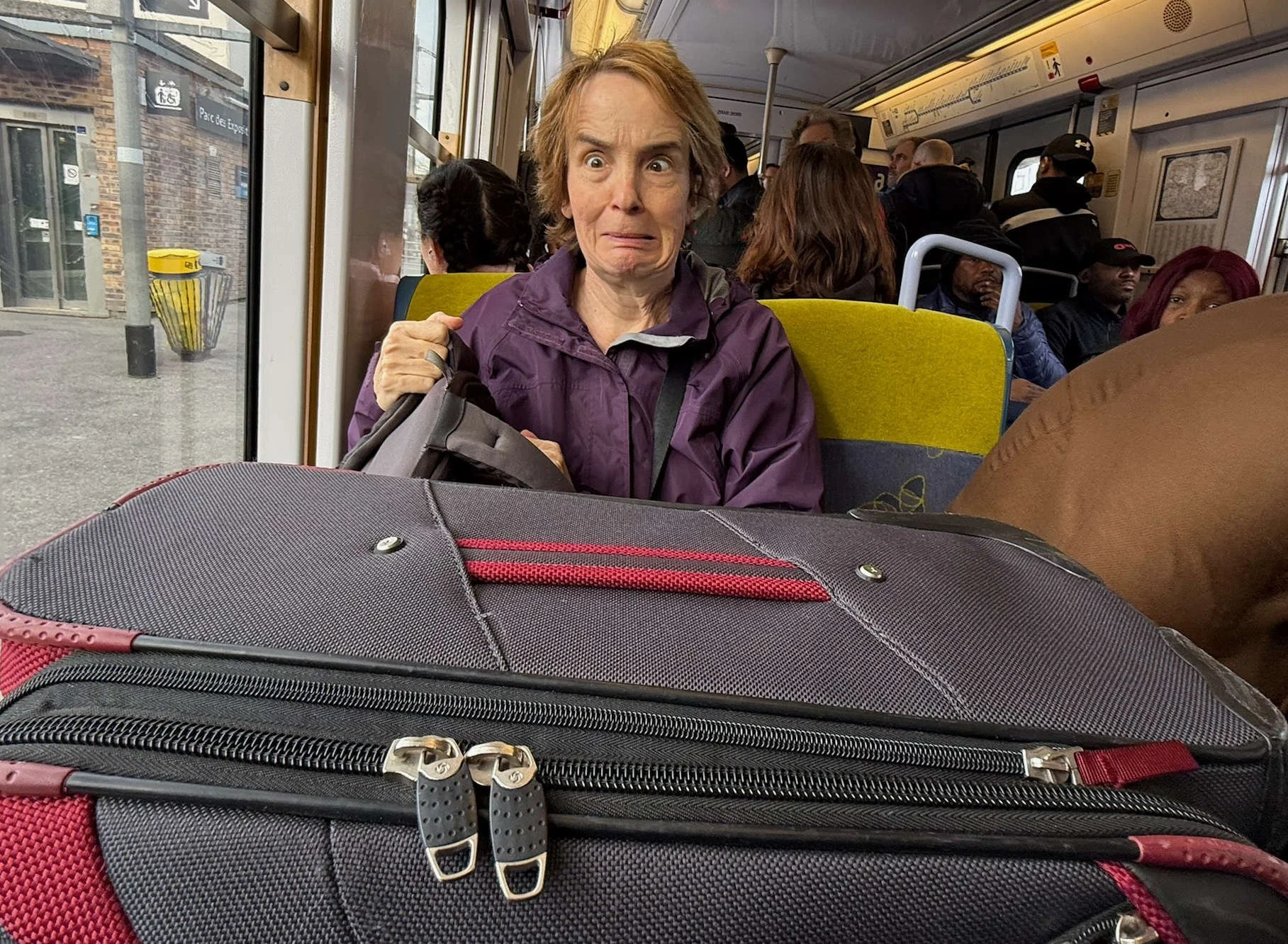
03 - We then found ourselves on a very crowded rush hour train. The photo does not do the situation justice -- we were all packed-in like sardines.
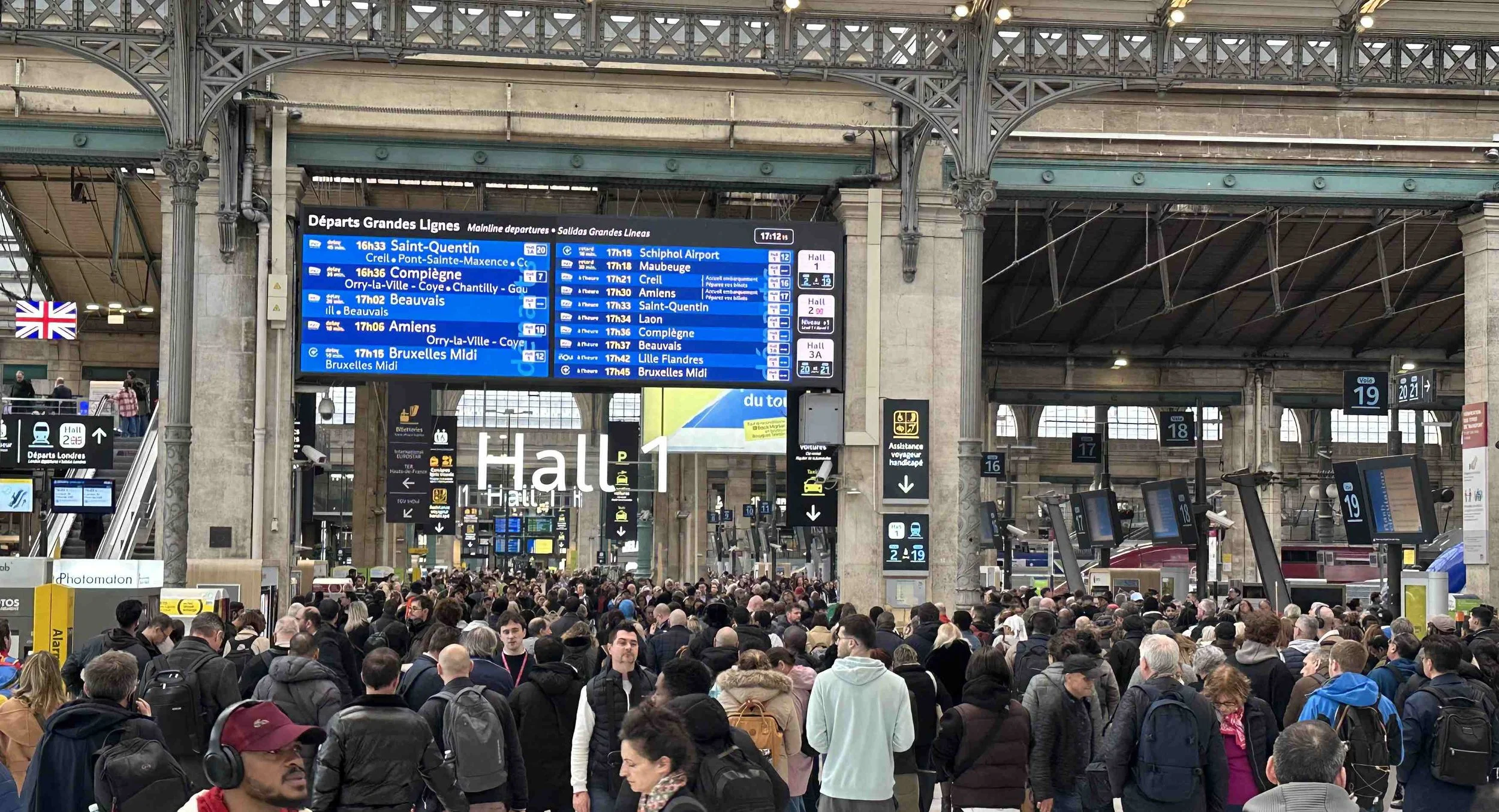
04 - Passing through the incredibly busy Gare du Nord train station in Paris. We've been through there quite a few times, but never when it was so busy.
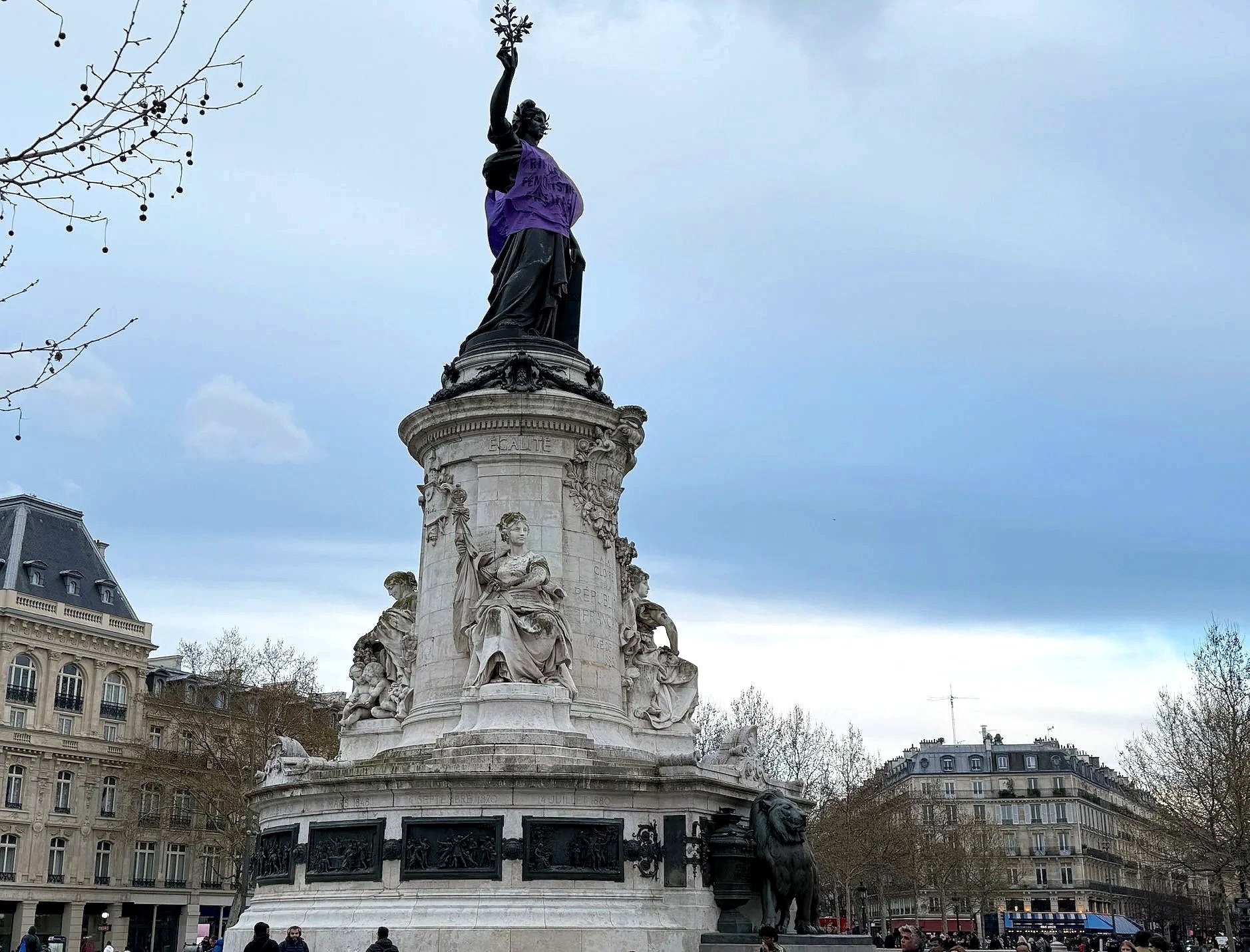
05 - Our hotel was near the Place de la République (town square), where earlier in the day, there were demonstrations related to International Women's Day.
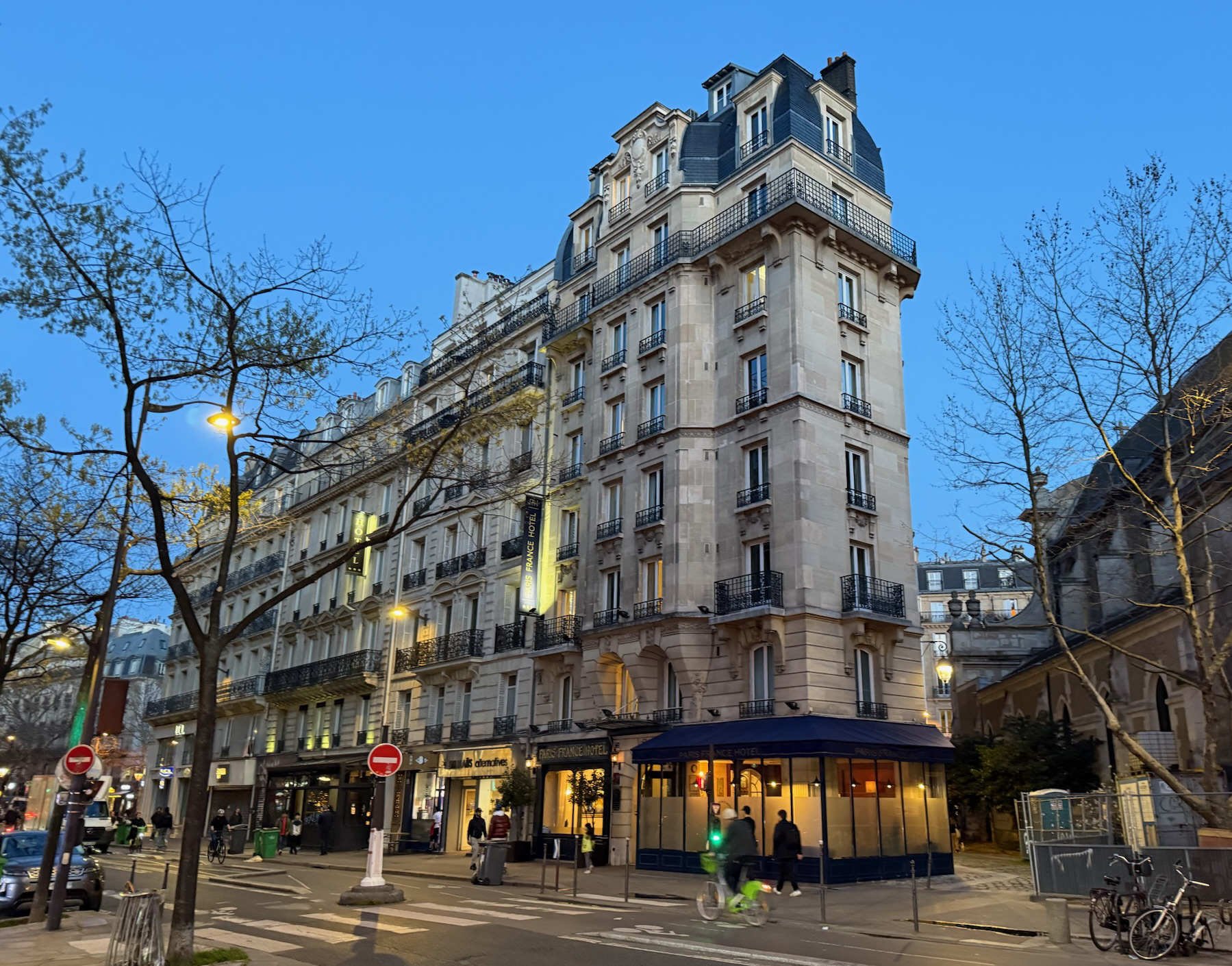
06 - Our hotel, with a very creative name -- "Hôtel Paris France."
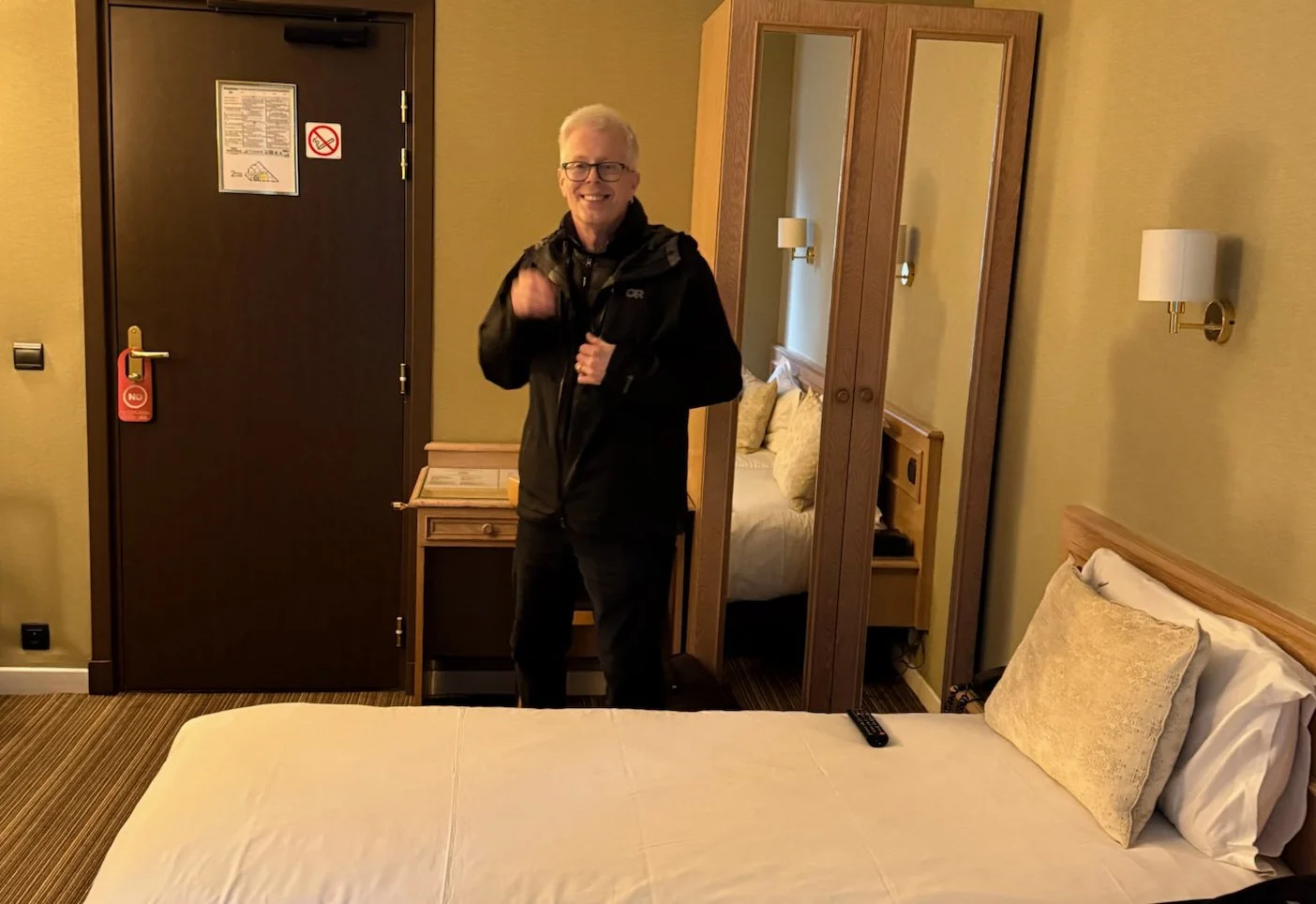
07 - Rick, inside our modest, but comfy and quiet, room. It felt great to call it a day and get out of the cold and rain.
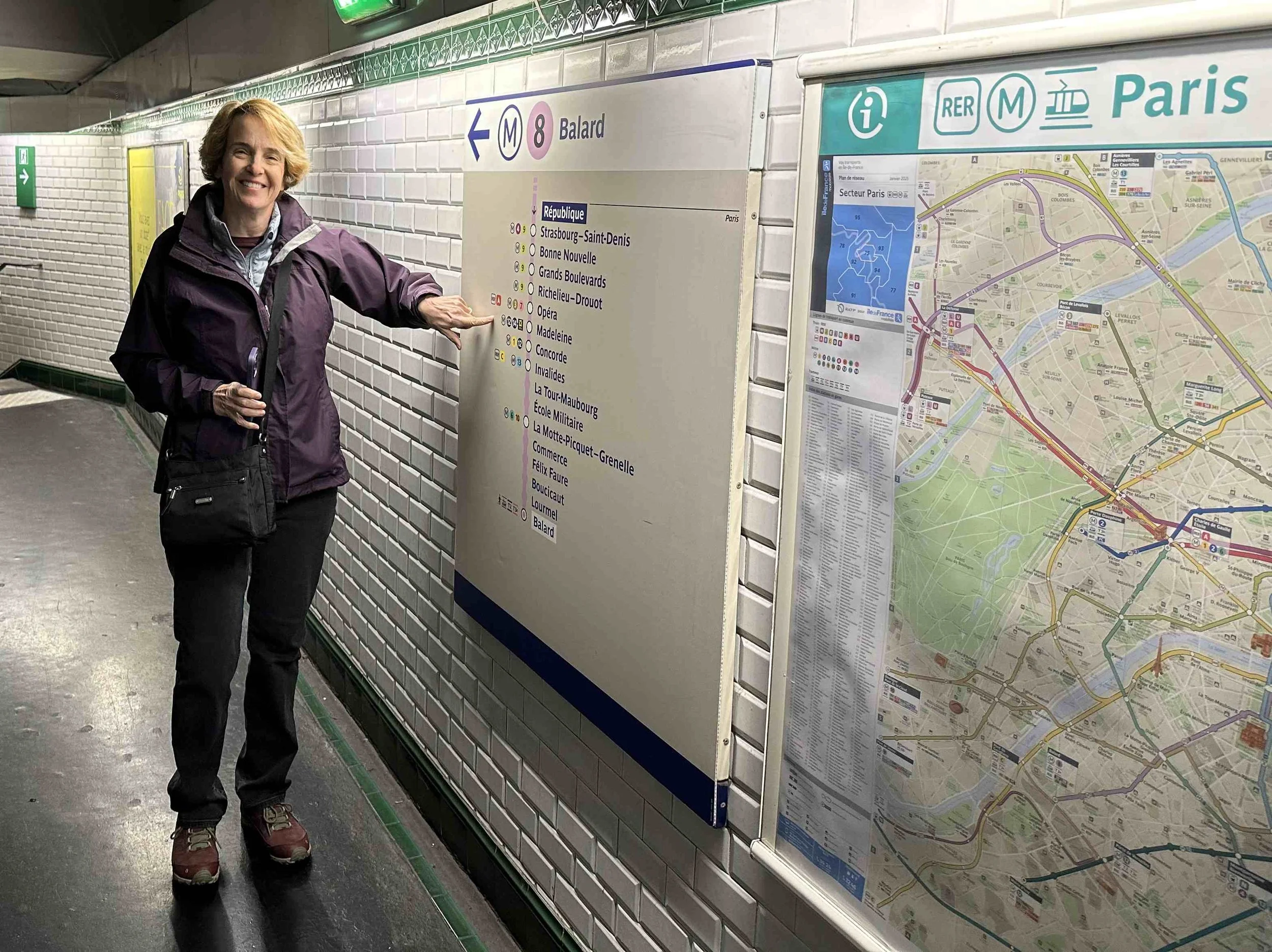
08 - Ready to do some exploring in the city center of Paris. Julie has found our next metro stop on the map.
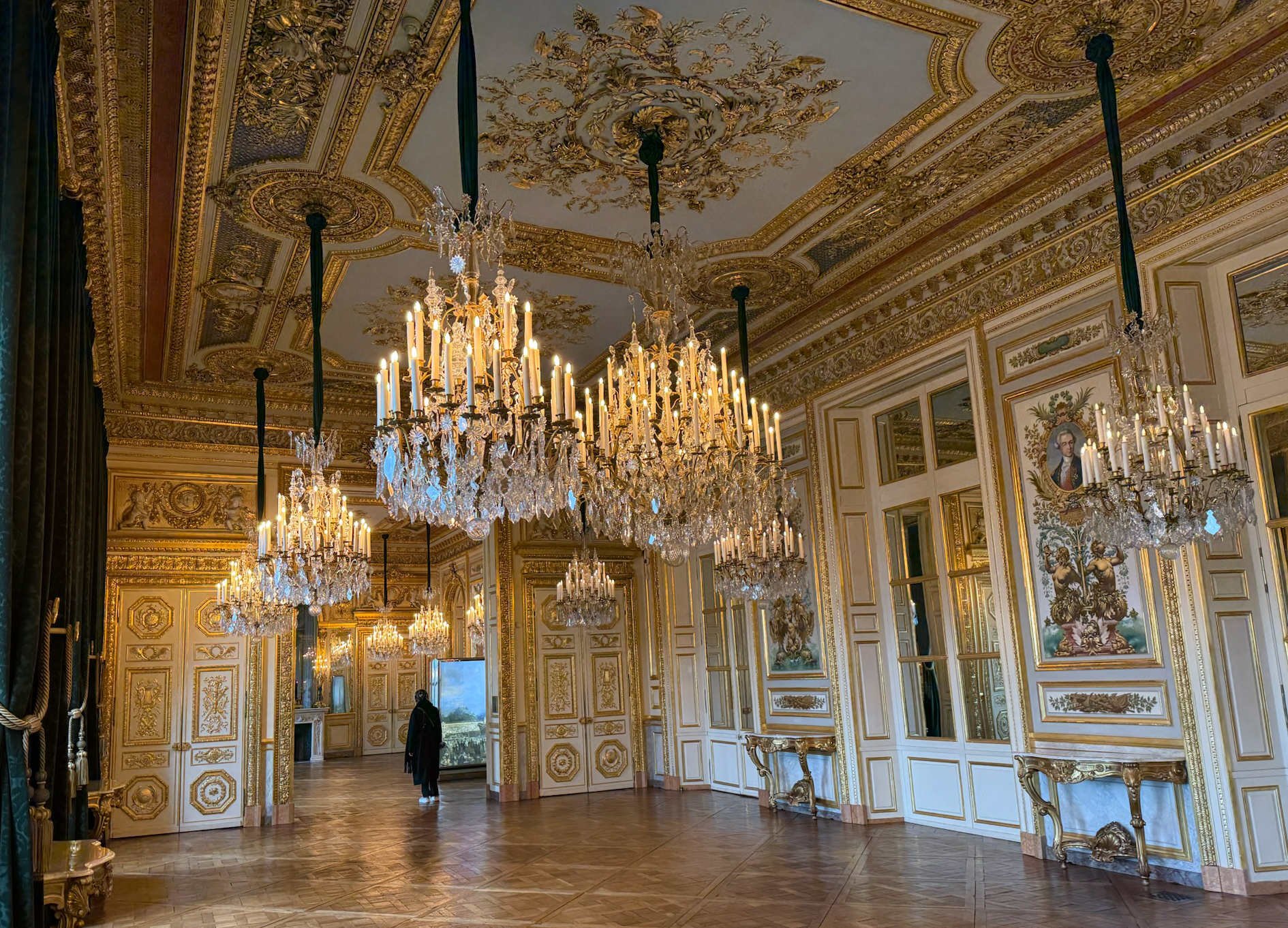
09 - Our first stop was the Hôtel de la Marine, which was where the French Crown Jewels were once stored.
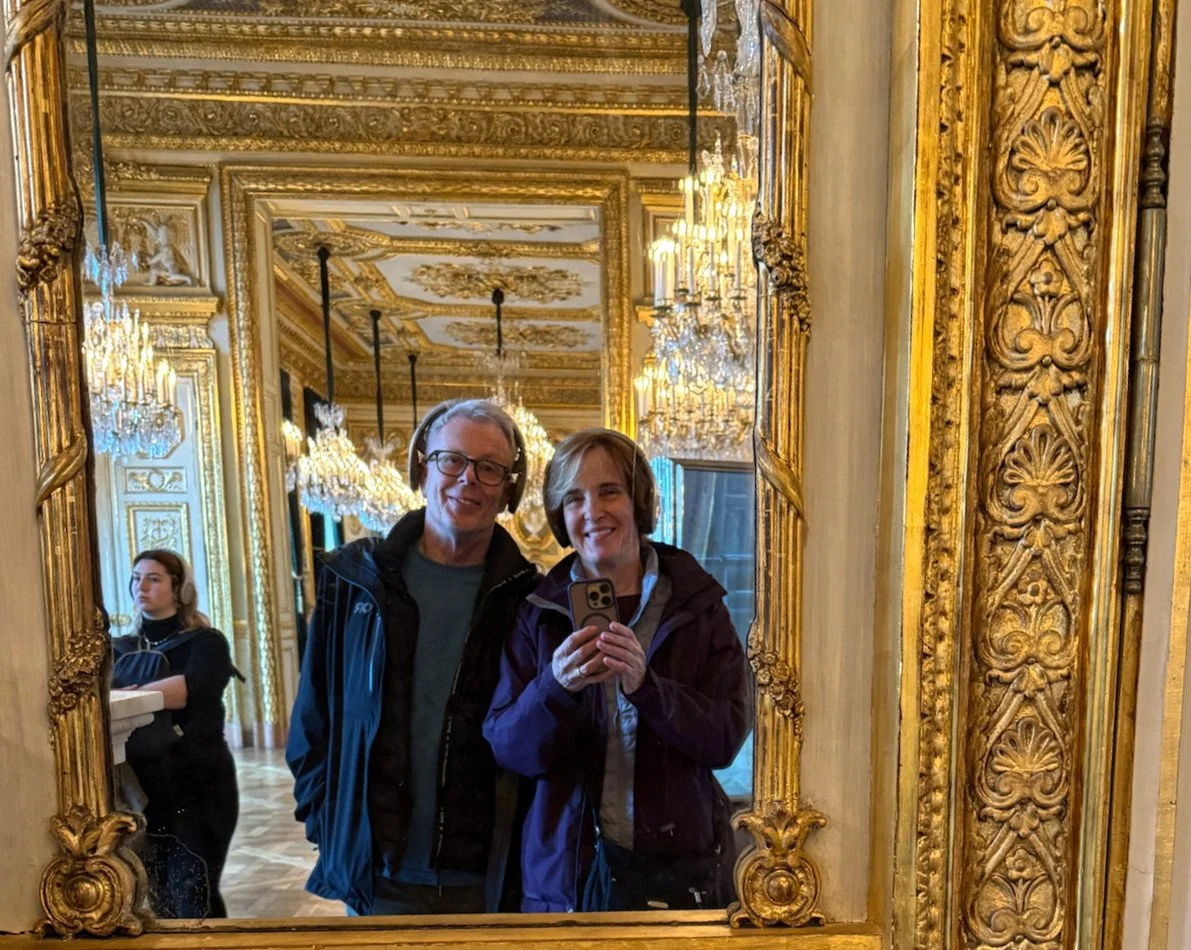
10 - The gentleman who managed the jewel storage also lived at the Hôtel. But he was asleep on the job in 1792, when the Hôtel was the site of a massive theft of jewels. Most of the stolen items were never recovered.
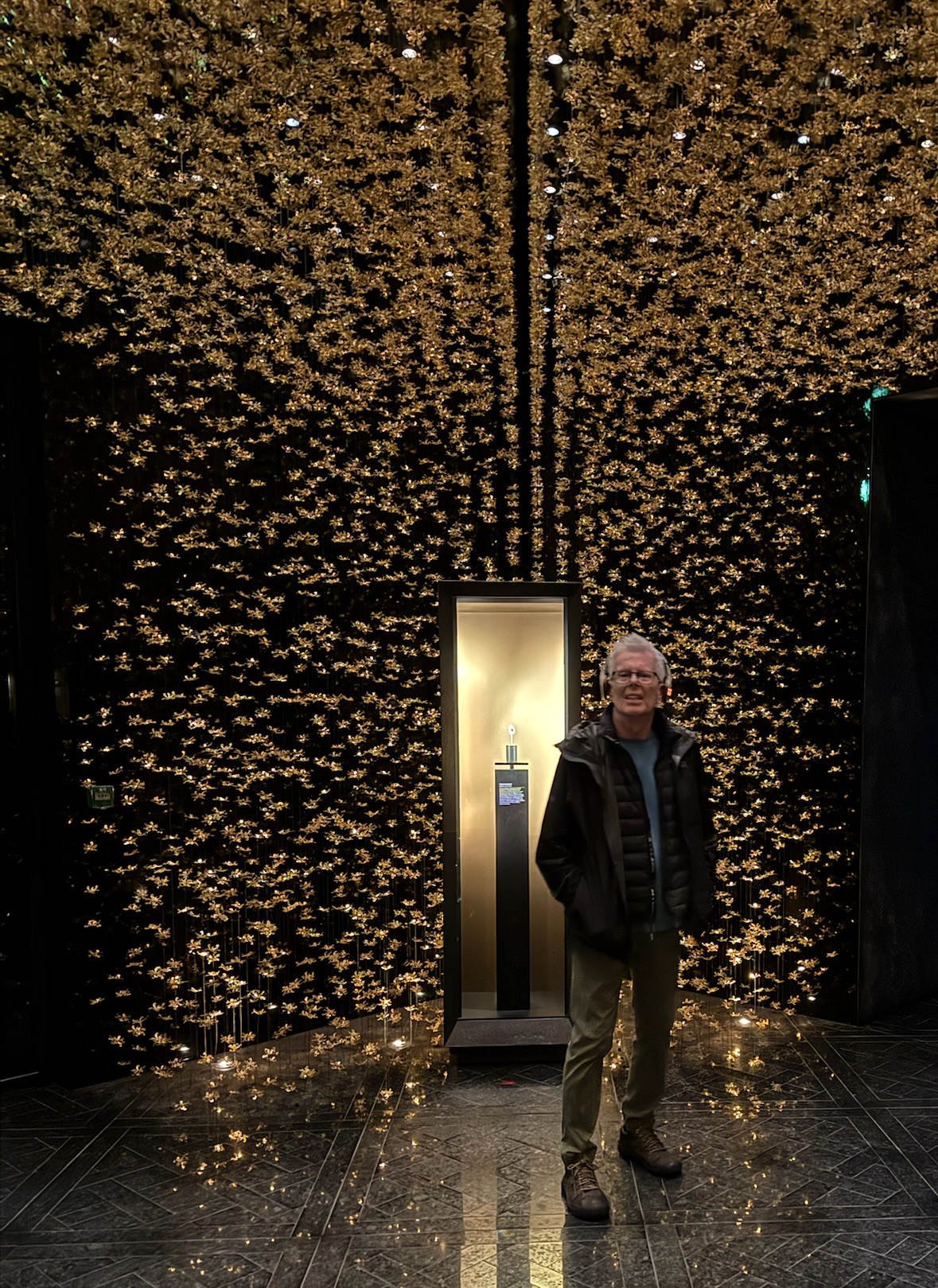
11 - With that history, the Hôtel was an ideal spot for the "Dynastic Jewels" exhibit, which demonstrated how fine jewelry became a political and cultural symbol.
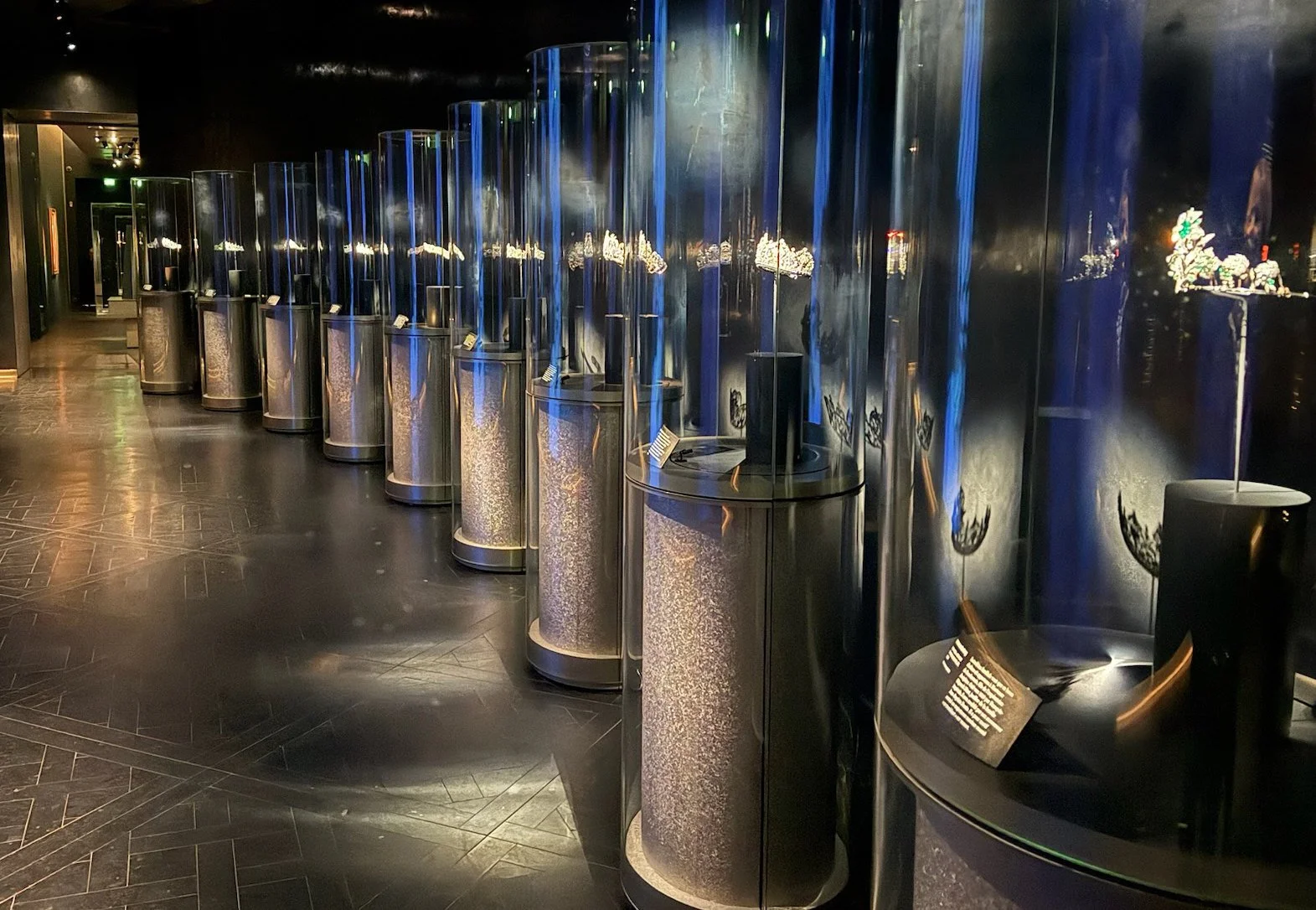
12 - The collection of 18 tiaras, worth zillions of euros, included Queen Victoria's sapphire and diamond tiara, as well as jewels that belonged to Empress Josephine of France and Catherine the Great of Russia.
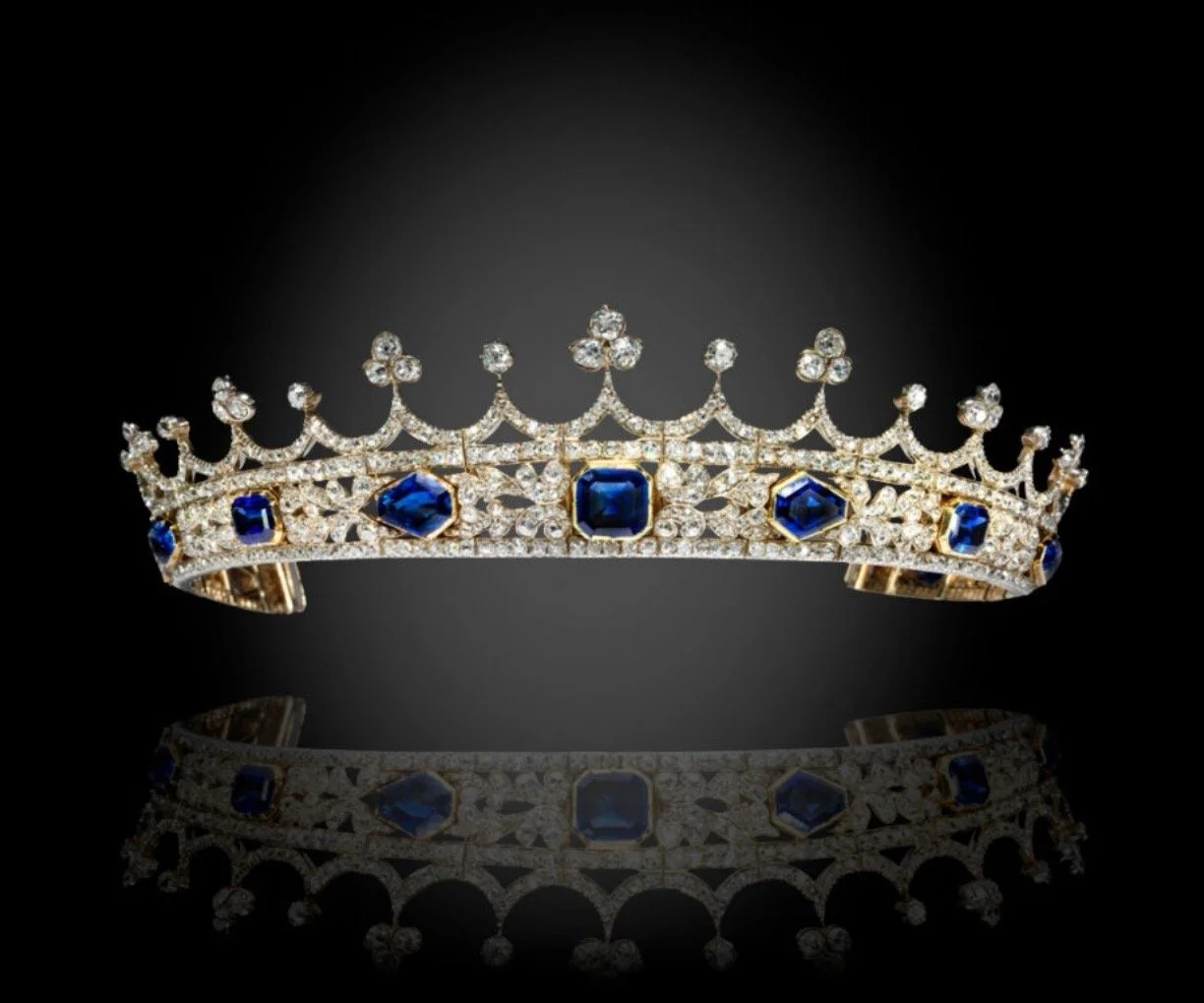
13 - One of Queen Victoria's most treasured jewels, the sapphire and diamond tiara was designed for her by Prince Albert in 1840 –- the royal couple's wedding year.
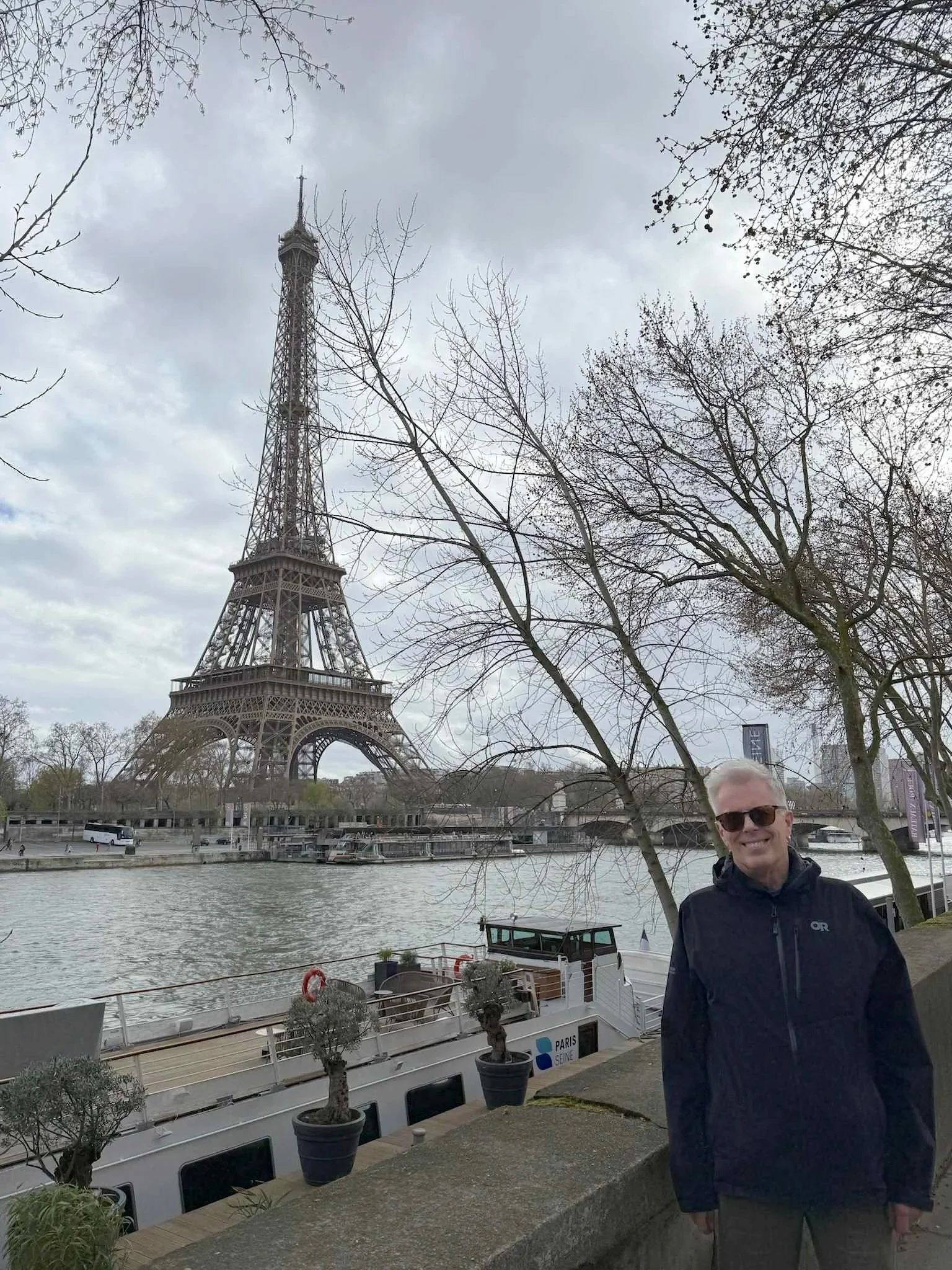
14 - Next stop, the Eiffel Tower. It was heavily criticized during its construction, with many calling it an "industrial eyesore" and a "monstrous skeleton."
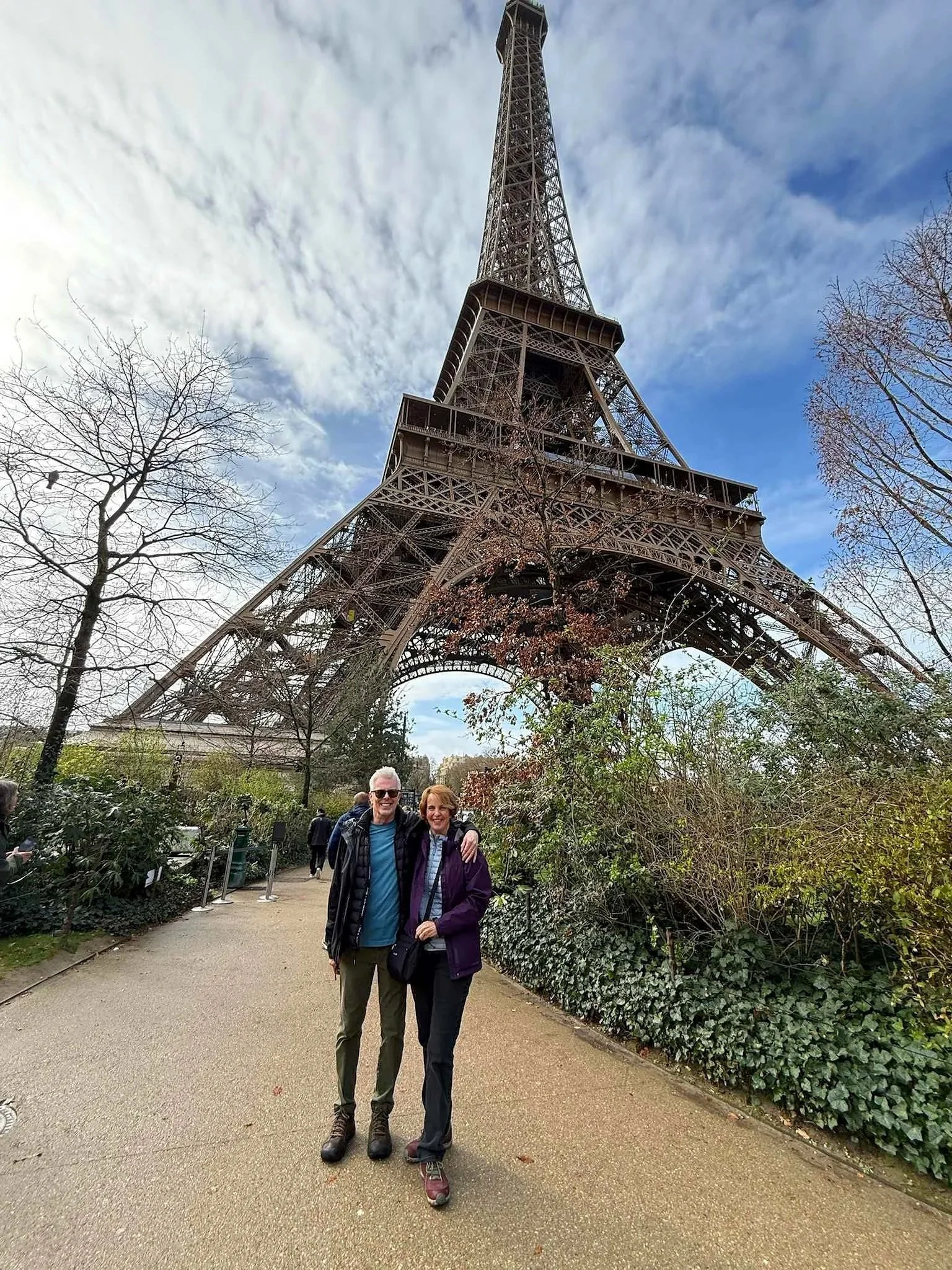
15 - Despite being mocked as a "tragic street lamp," the Tower became a massive success after opening for the 1889 World's Fair.
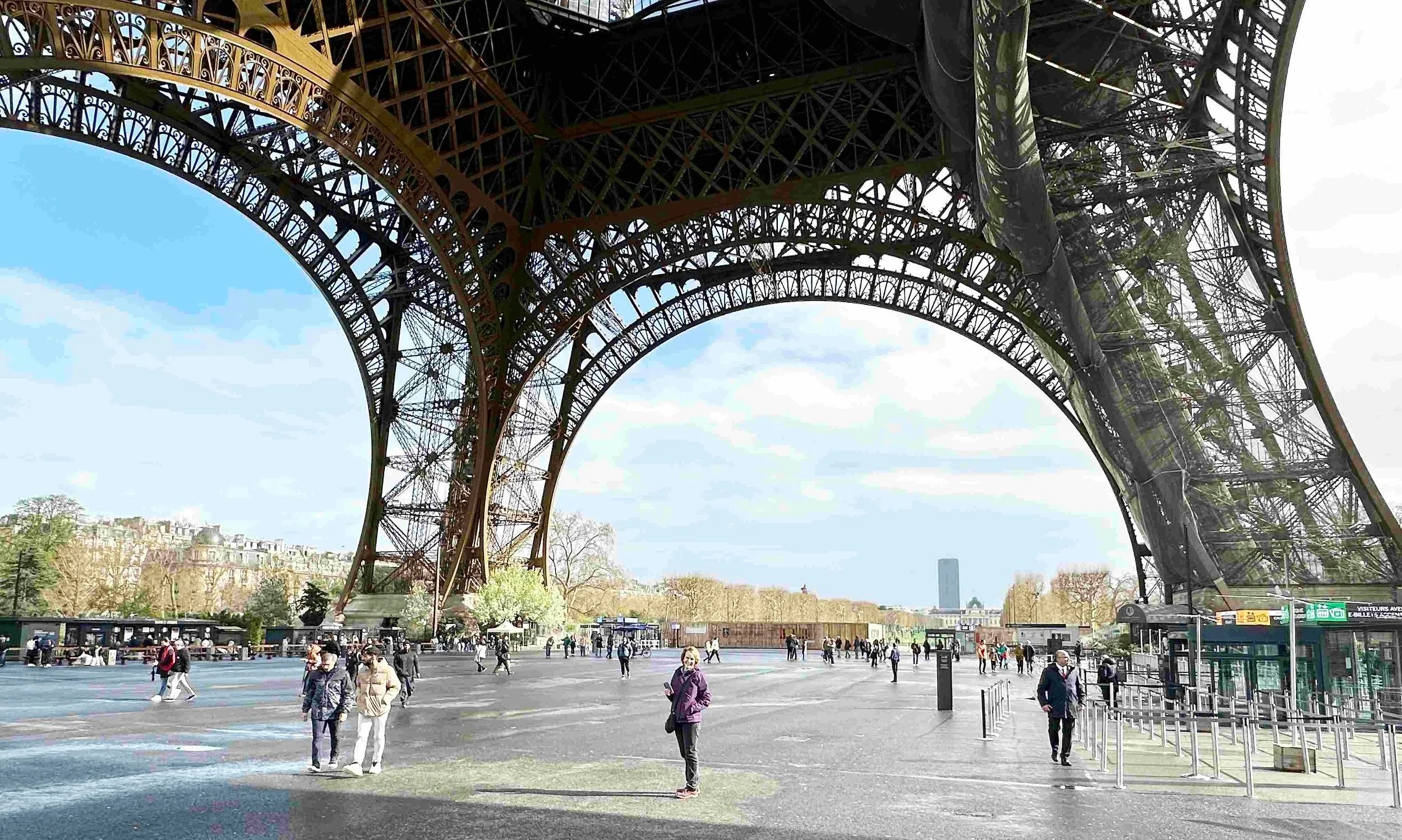
16 - Julie, prepared to make our way to the top. The last time we were up there was about 15 years ago.
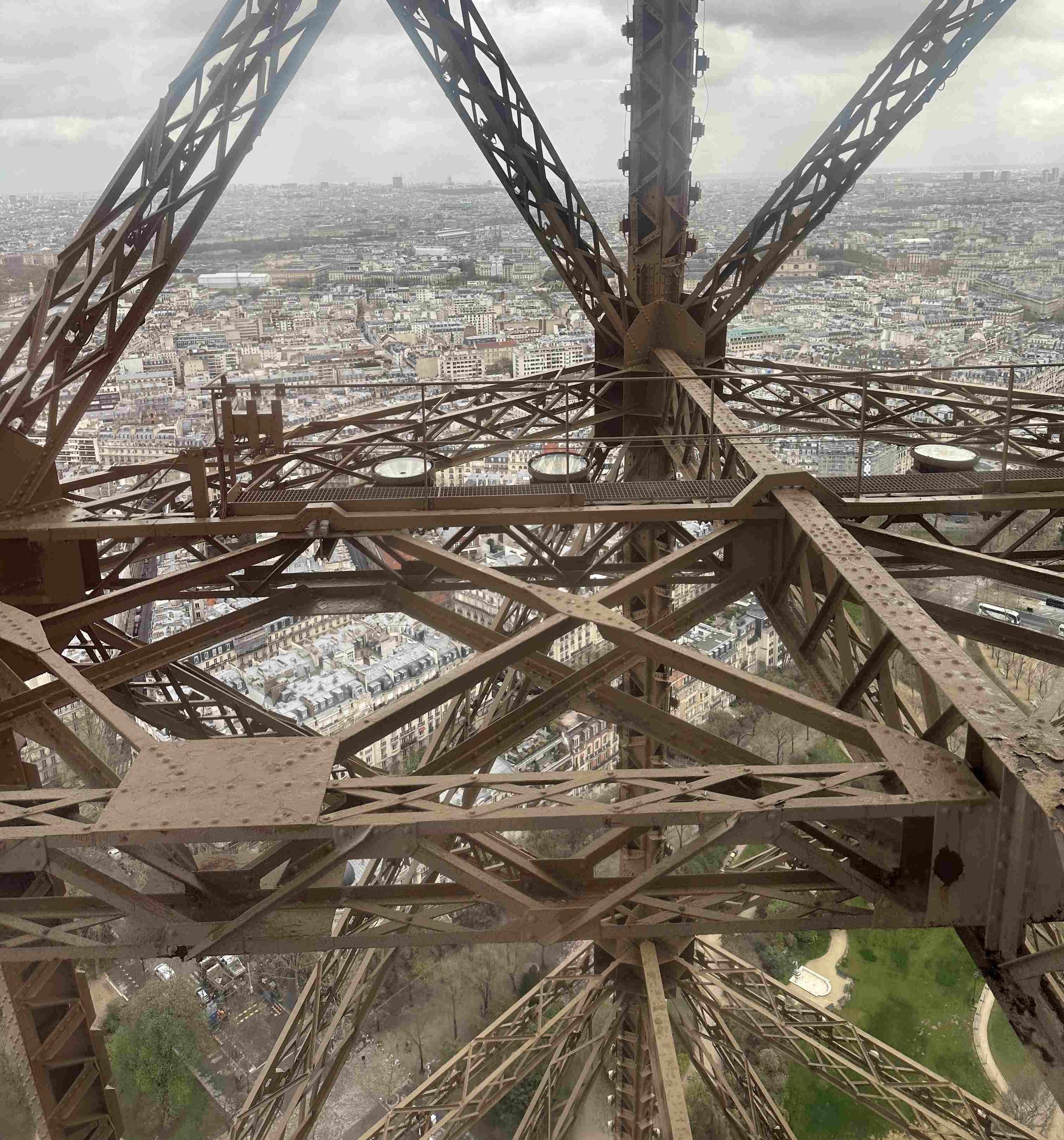
17 - Riding the elevator up is great way to get a close-up look at the many bones holding the structure together.
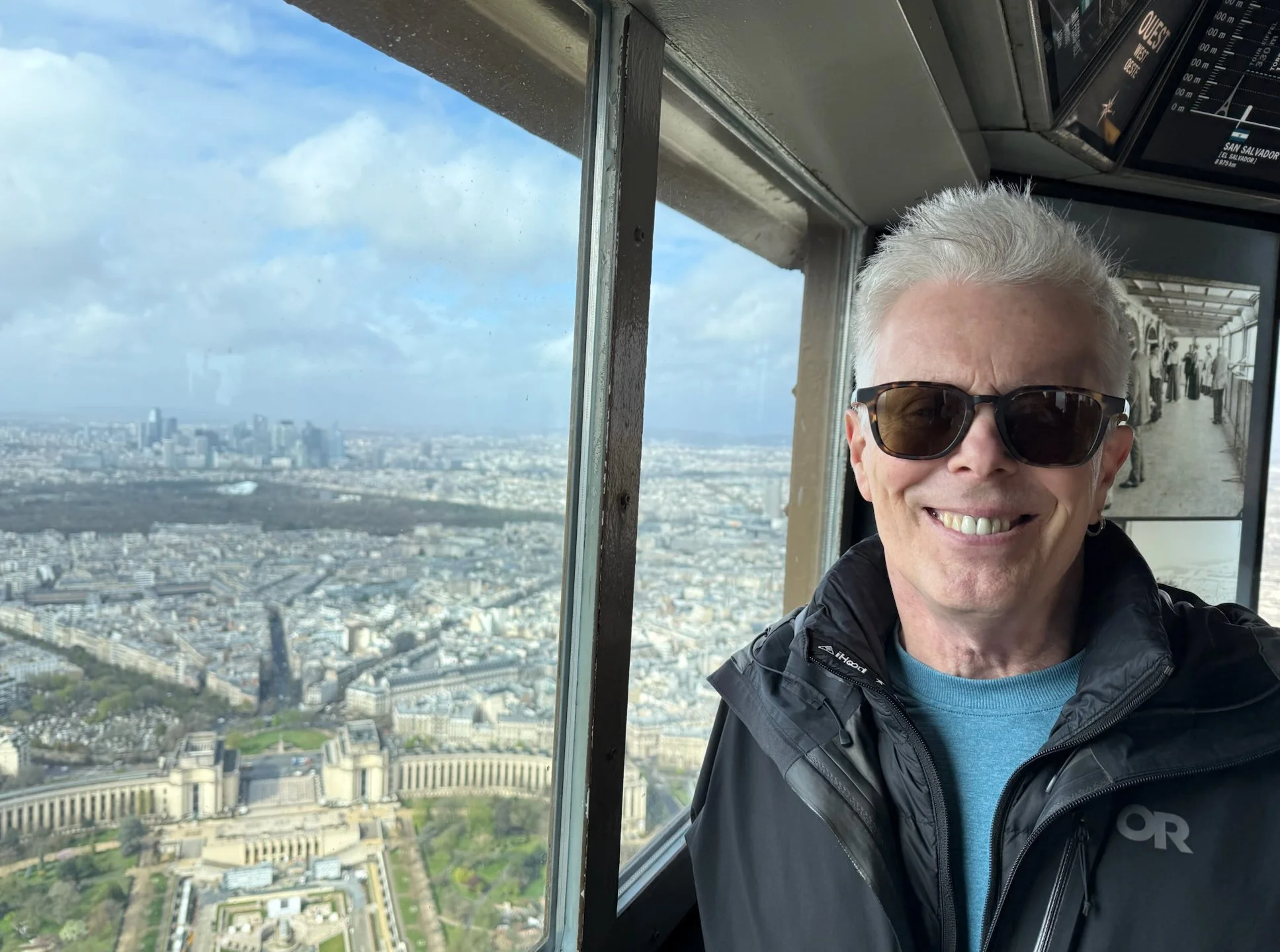
18 - Rick, up high, enjoying the view.
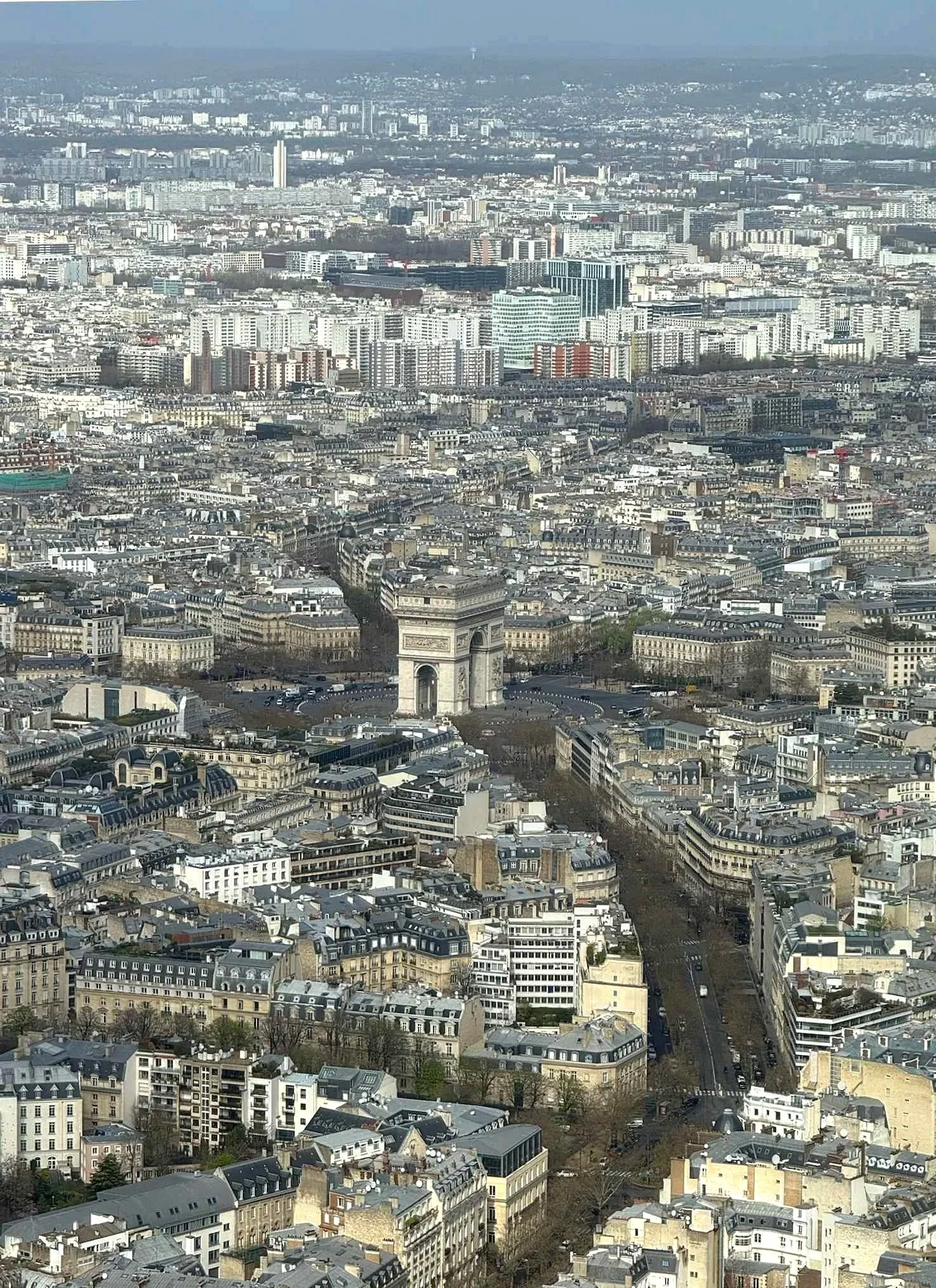
19 - A fantastic view of the Arc de Triomphe.
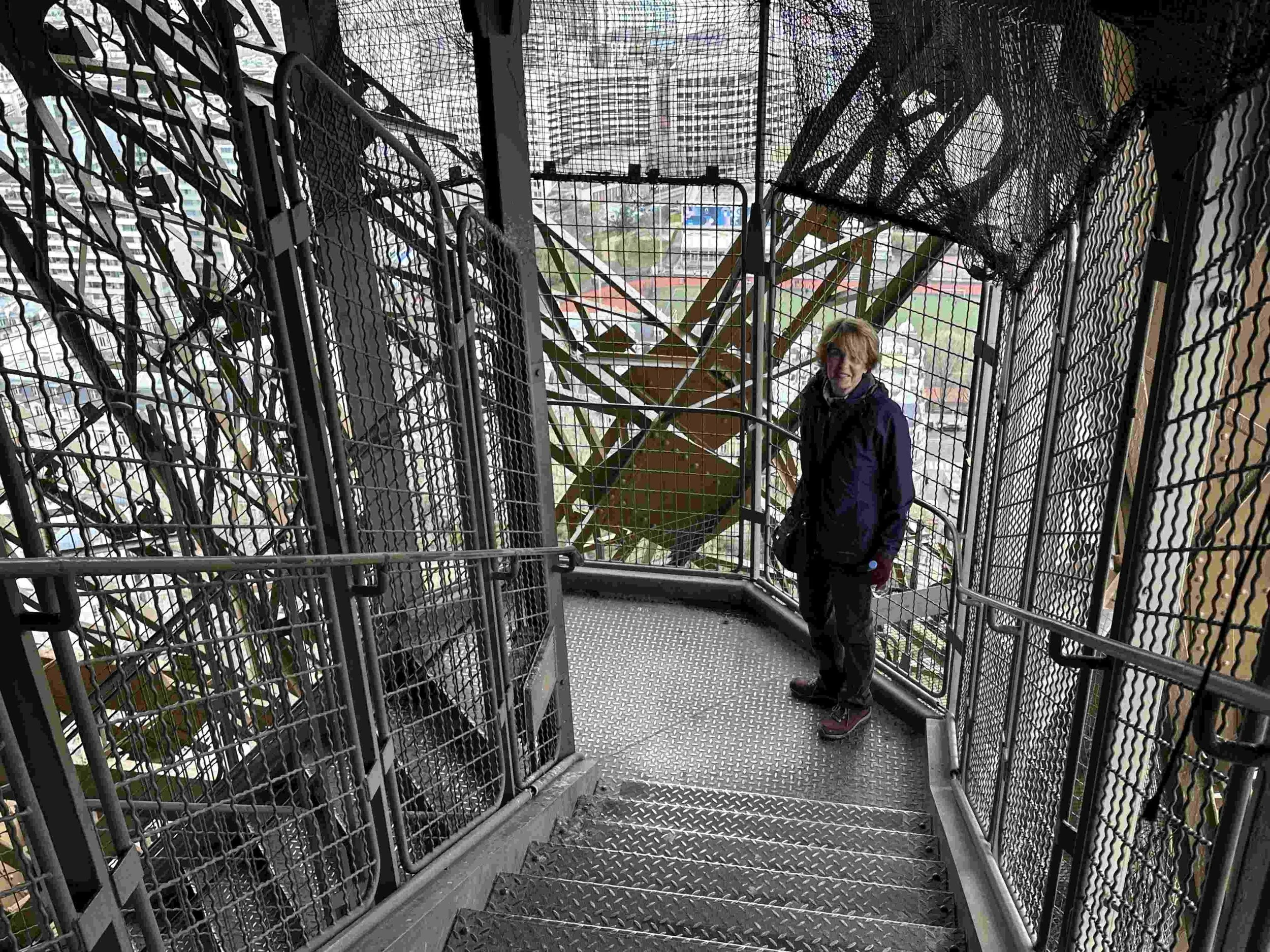
20 - Walking down the Tower is a nice way to escape the elevator crowds. Visitors can take the 674 stairs down from the second level.
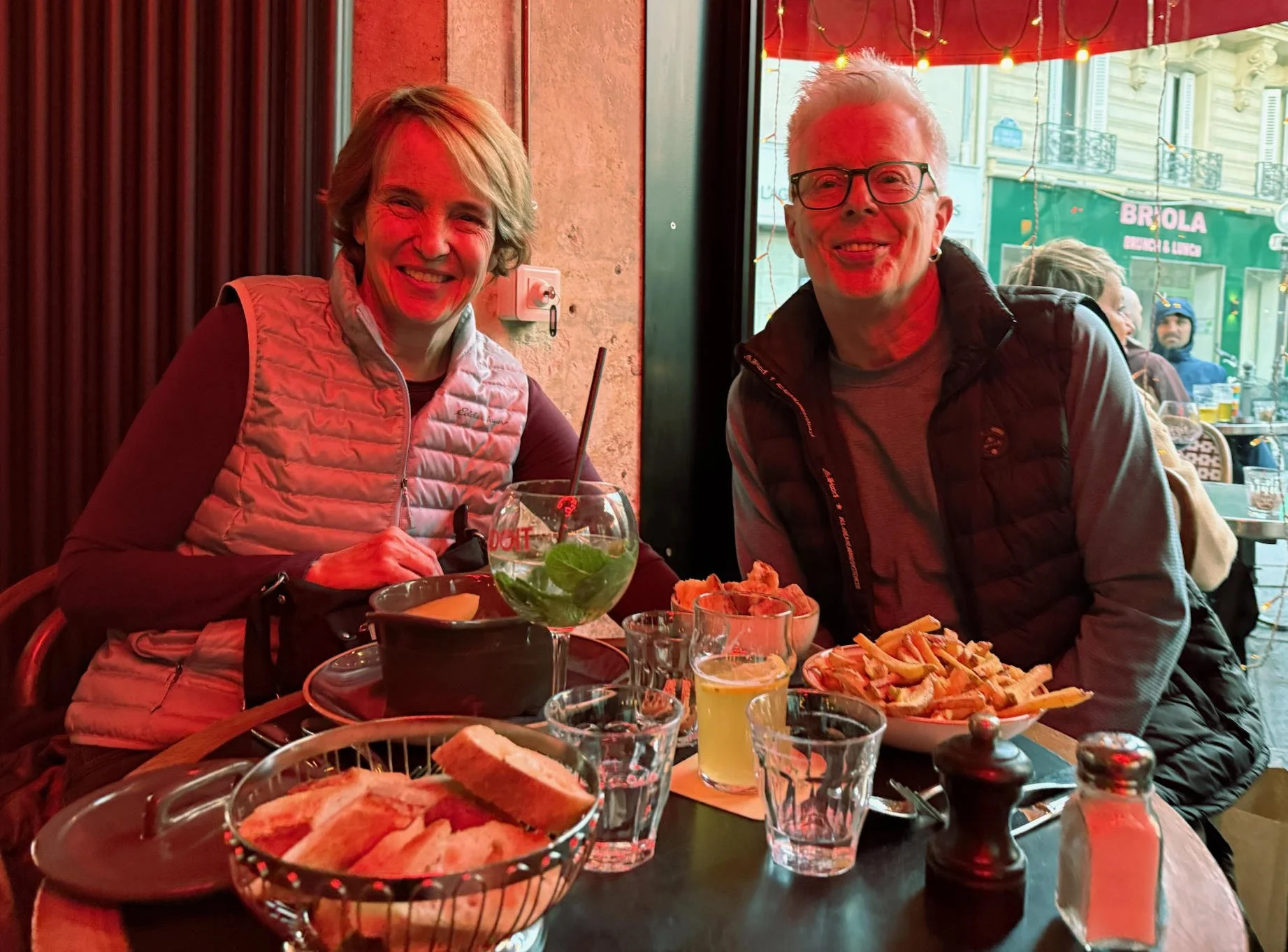
21 - Enjoying dinner at a bistro, after a fun day of touring Paris.
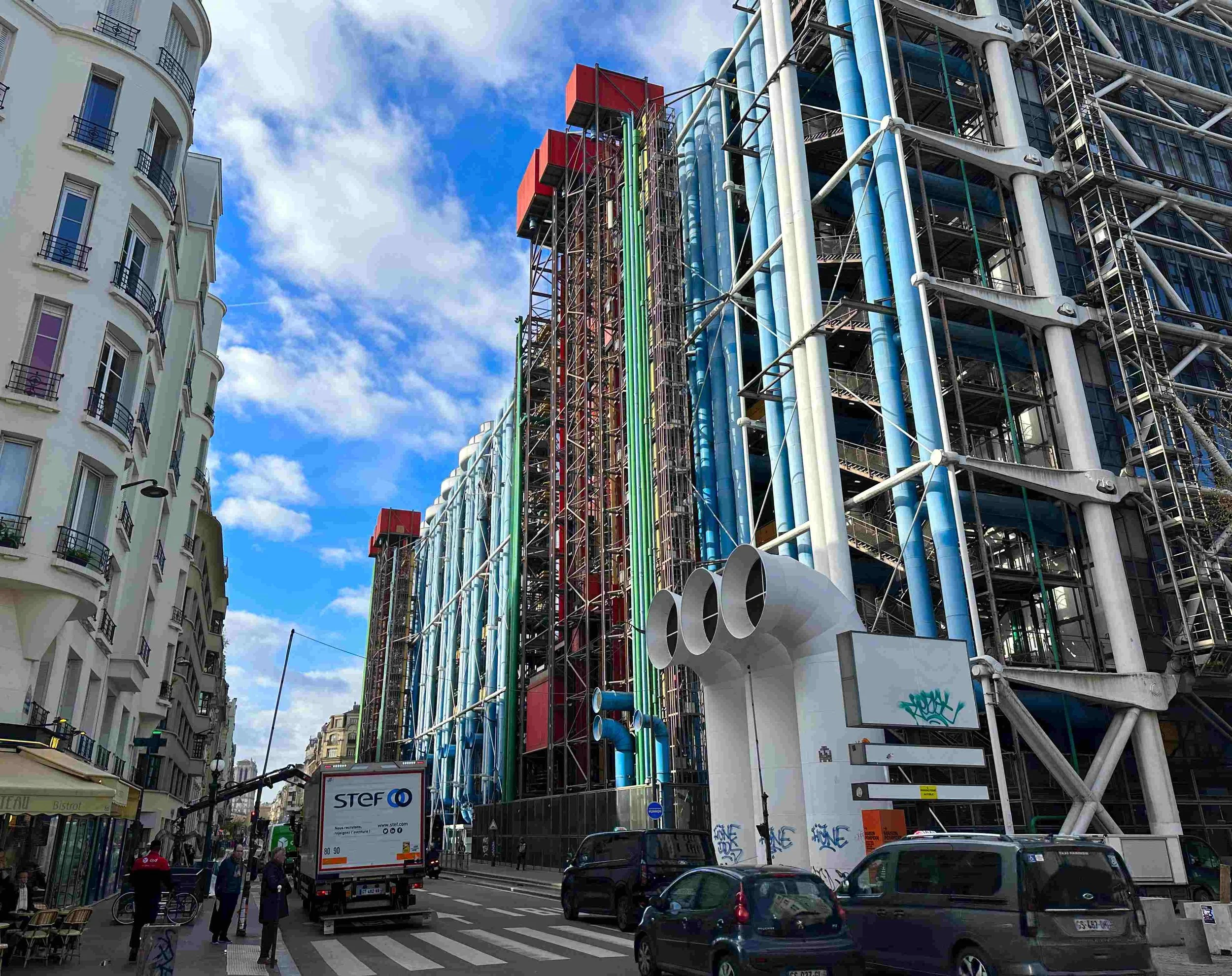
22 - What's this crazy building?! Nobody knows -- it just appeared one day in 1977. (We'll let you in on a little secret -- it's the Pompidou Center, an art museum.)
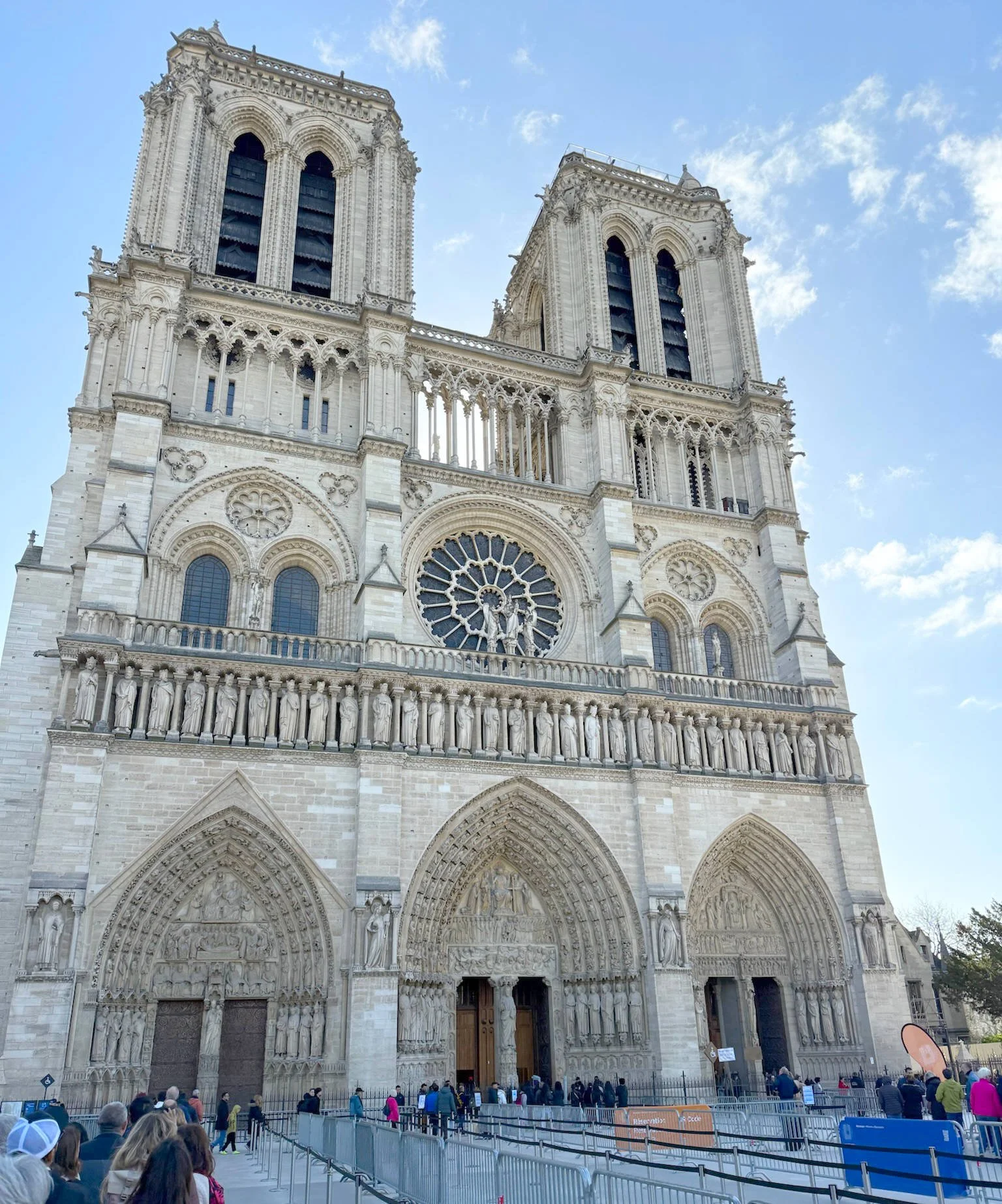
23 - We made another visit to Notre Dame. It's interesting to see the progress made on restorations since the 2019 fire -- it definitely appears that the work is nearing its end.
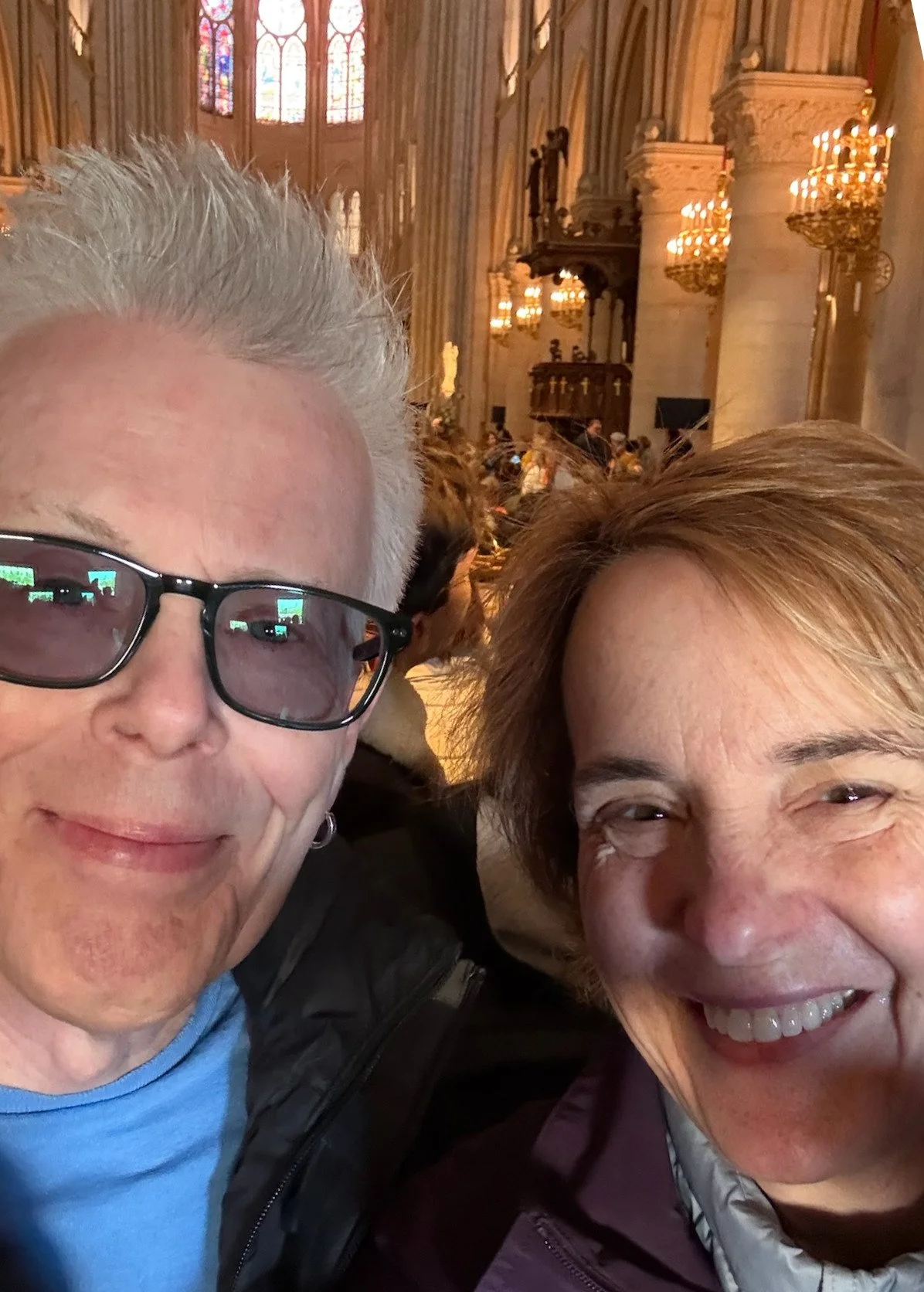
24 - We peaked inside to see the beautiful, bright, newly clean walls again, but the purpose of our visit was to climb the bell towers, which are once again open to the public.
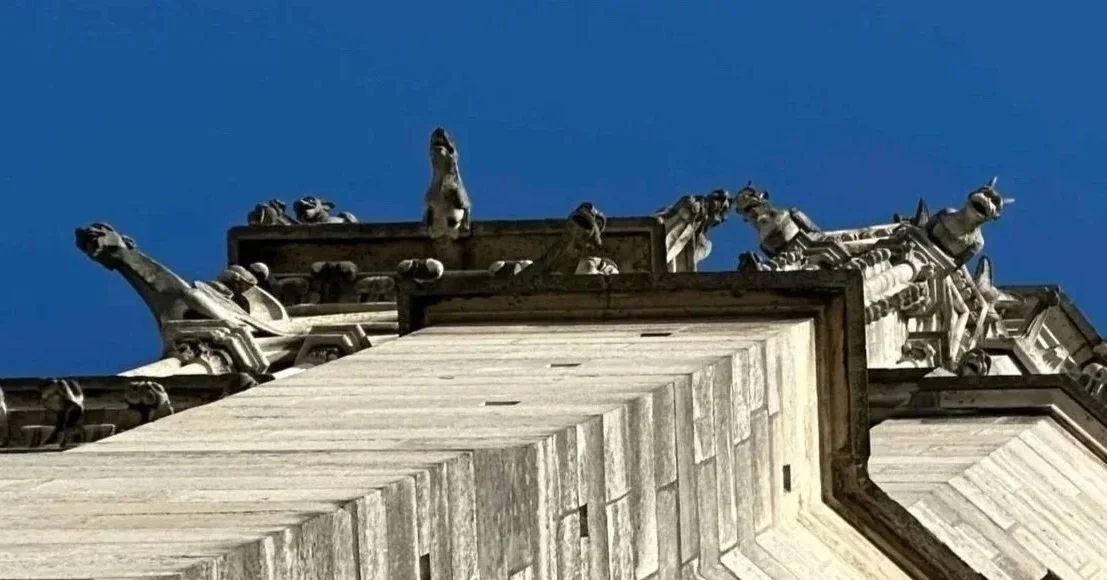
25 - While waiting outside for our bell tower climb, we had a chance to look closer at some of the cathedral's gargoyles. The creepy little guys serve a dual purpose -- first, they act as water drainage systems to prevent rainwater from eroding the stone walls....
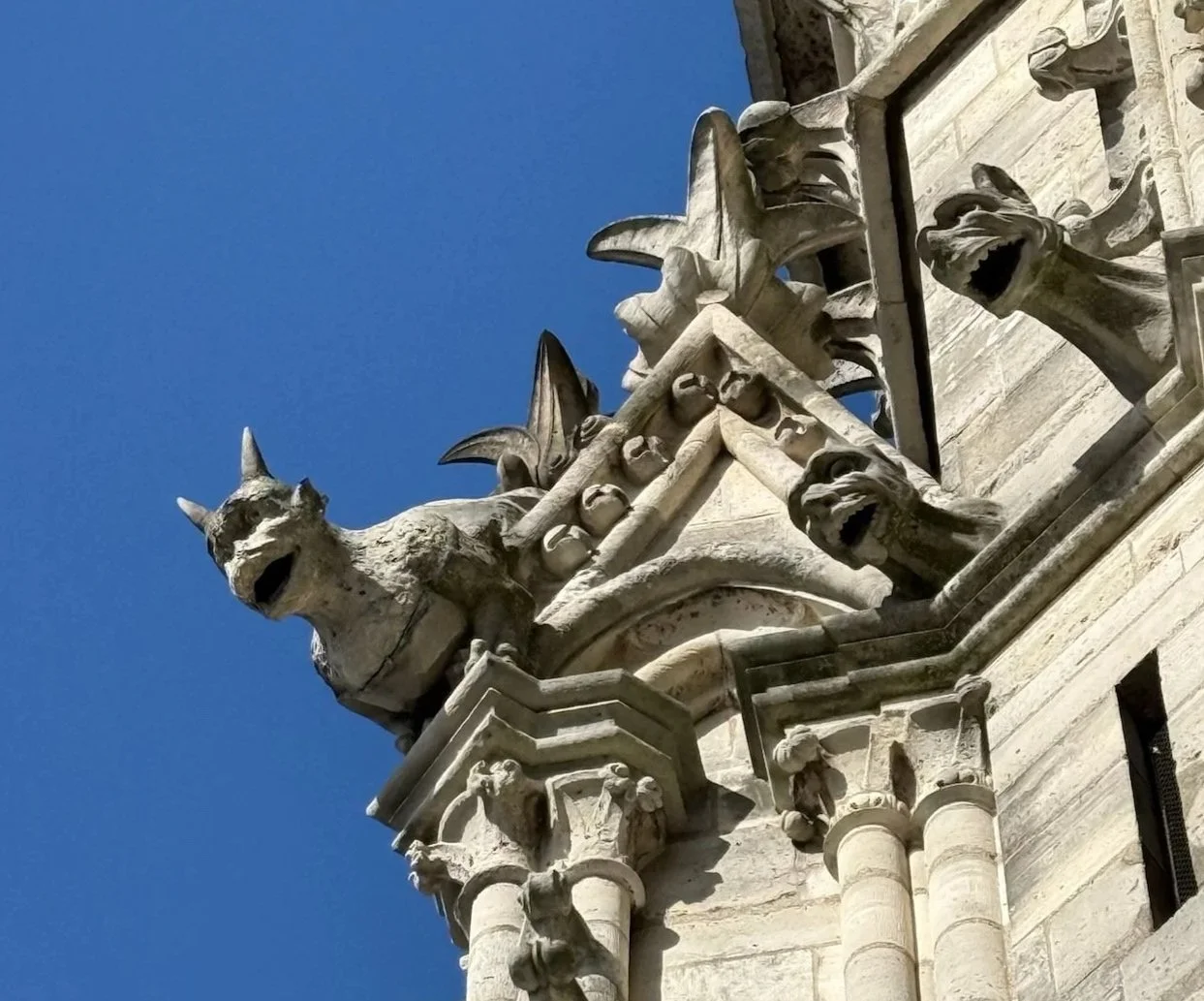
26 - And second, they ward off malevolent forces, while representing the chaotic and unruly aspects of human nature, reminding us of the struggle between good and evil. Those are some deep thoughts....
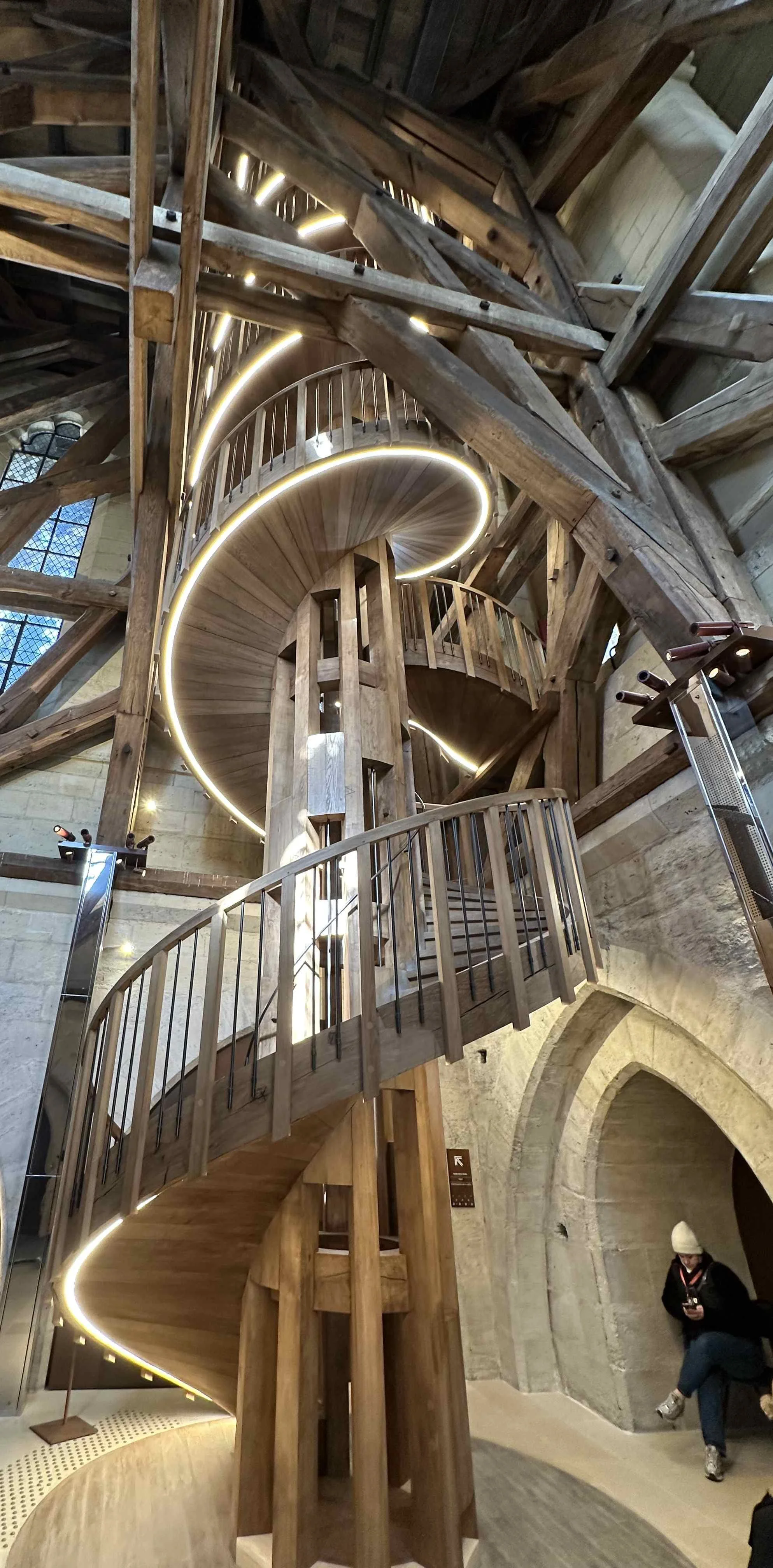
27 - The bell towers have lots of new wood and a new spiral staircase.
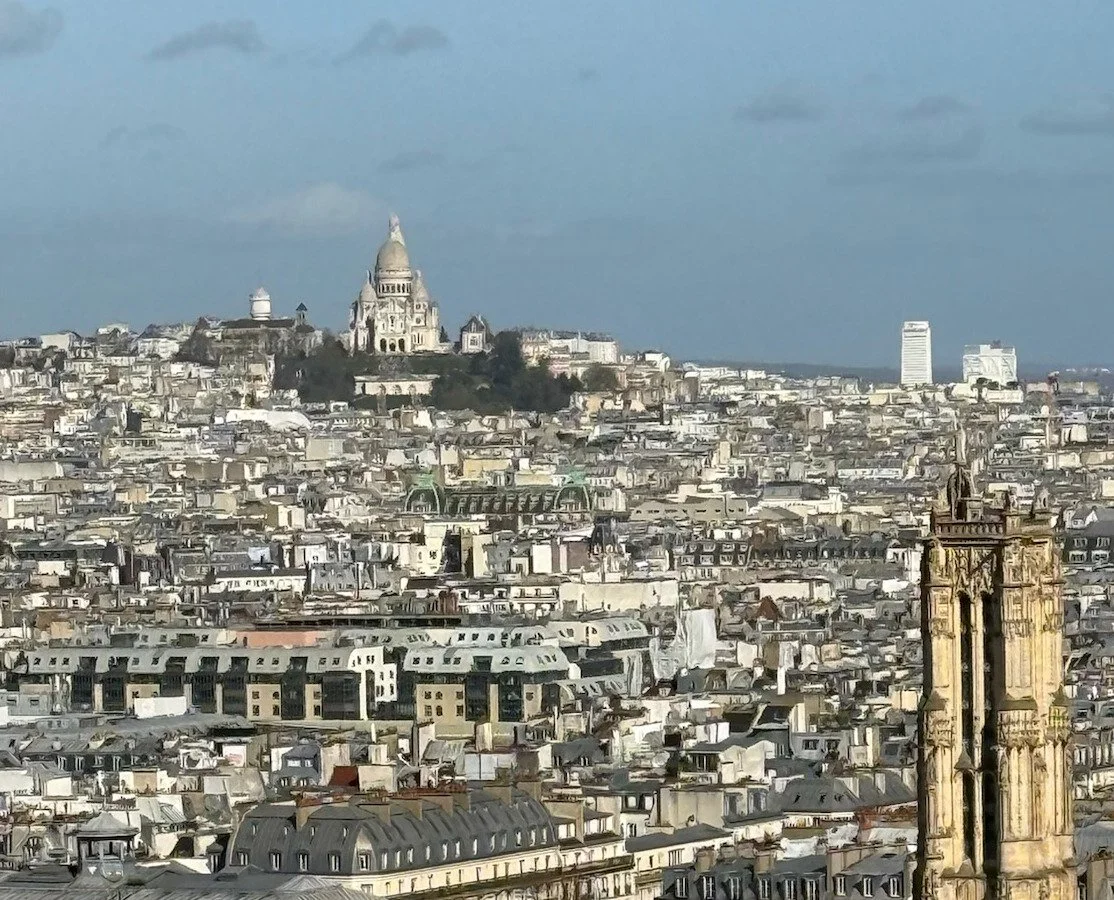
28 - The 424-step hike to the top led to this great view of the Sacré-Cœur Basilica. The basilica is the second most popular tourist destination in Paris after the Eiffel Tower.
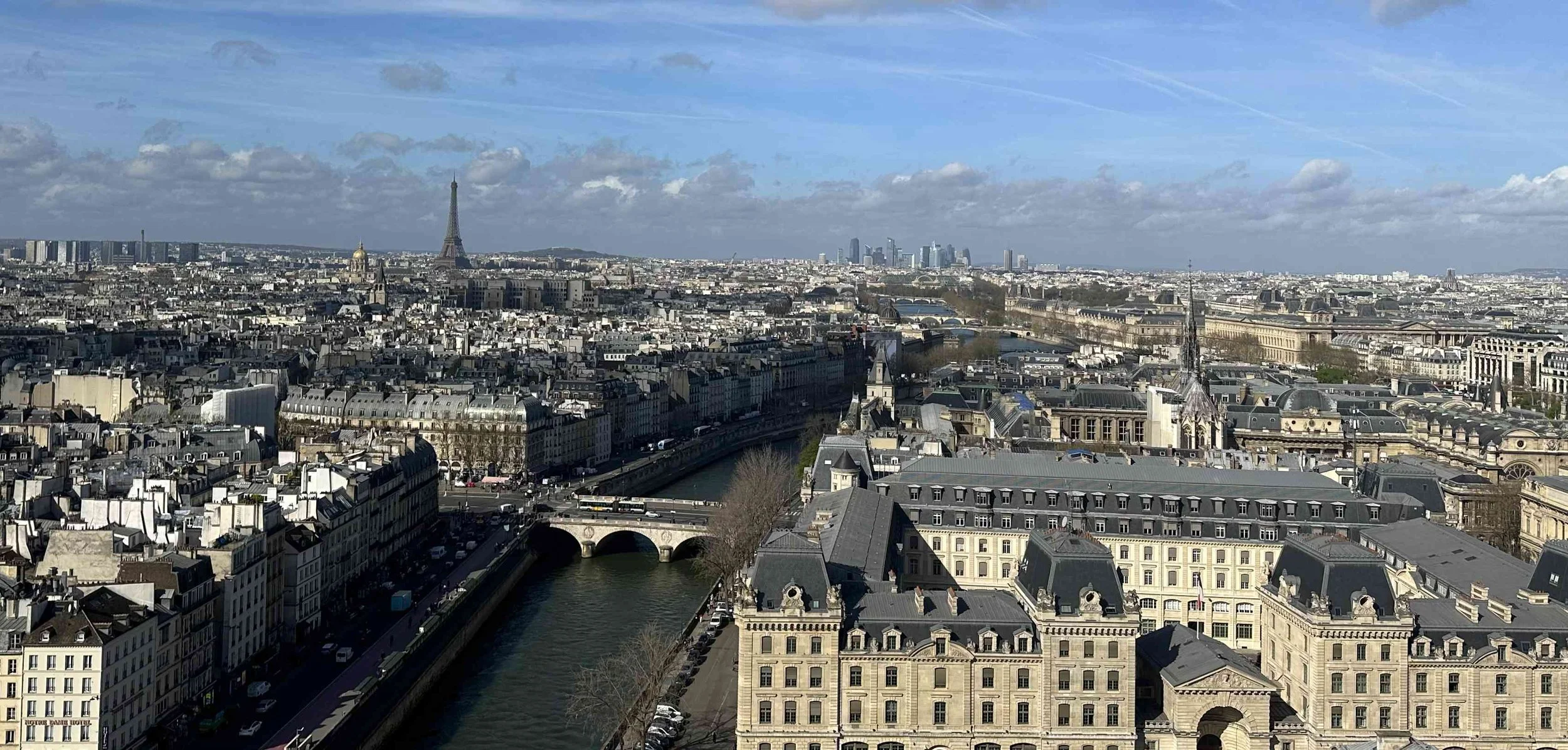
29 - Speaking of the Eiffel Tower, we also had this fantastic panoramic view from Notre Dame, which includes La Défense in the distance. Those of you who follow our exploits closely will know that we visited the La Défense business district in March 2024.
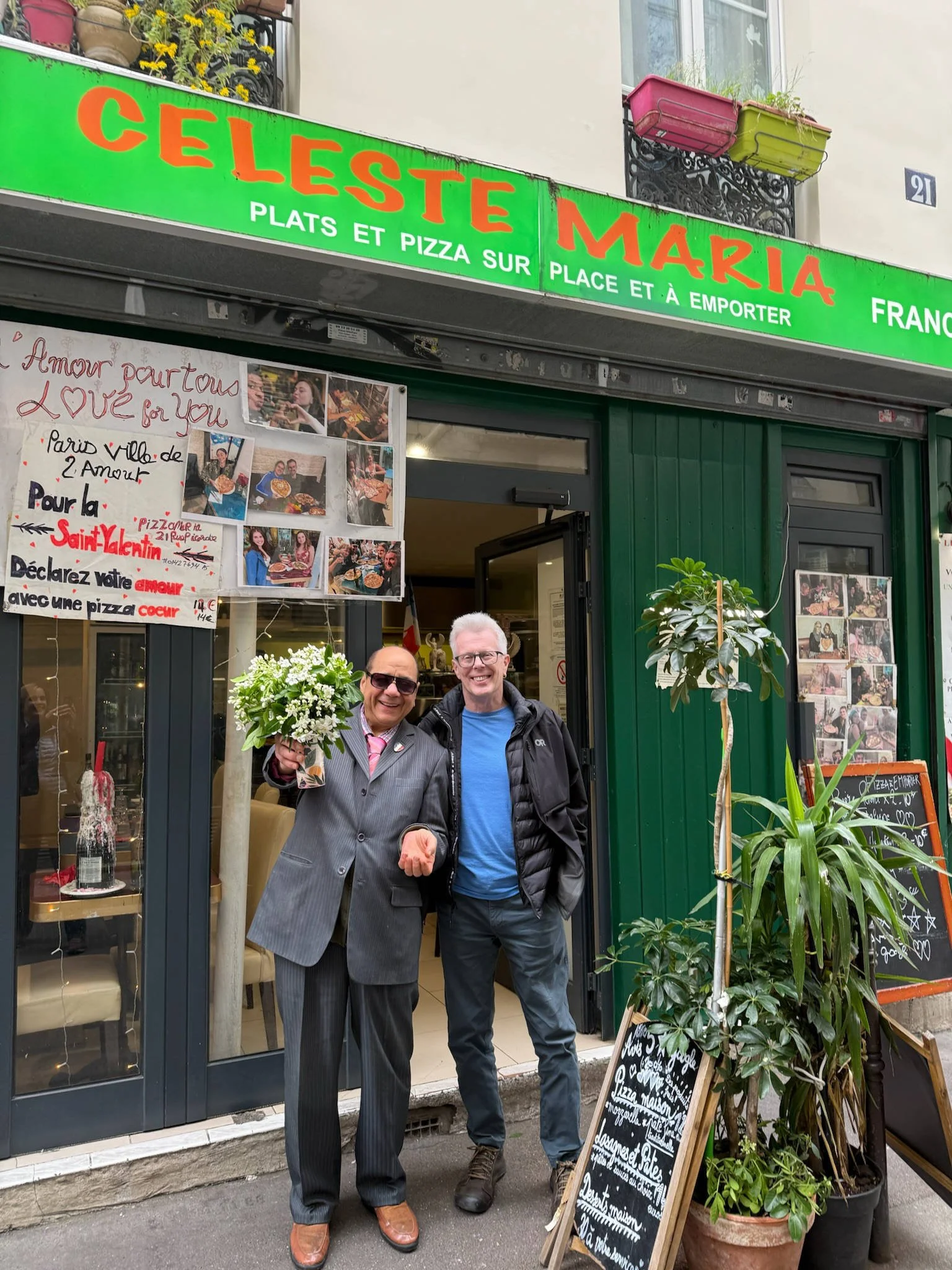
30 - We stopped for lunch at an unusual pizza establishment. We were the only people there and we almost left because we thought it might have been closed.
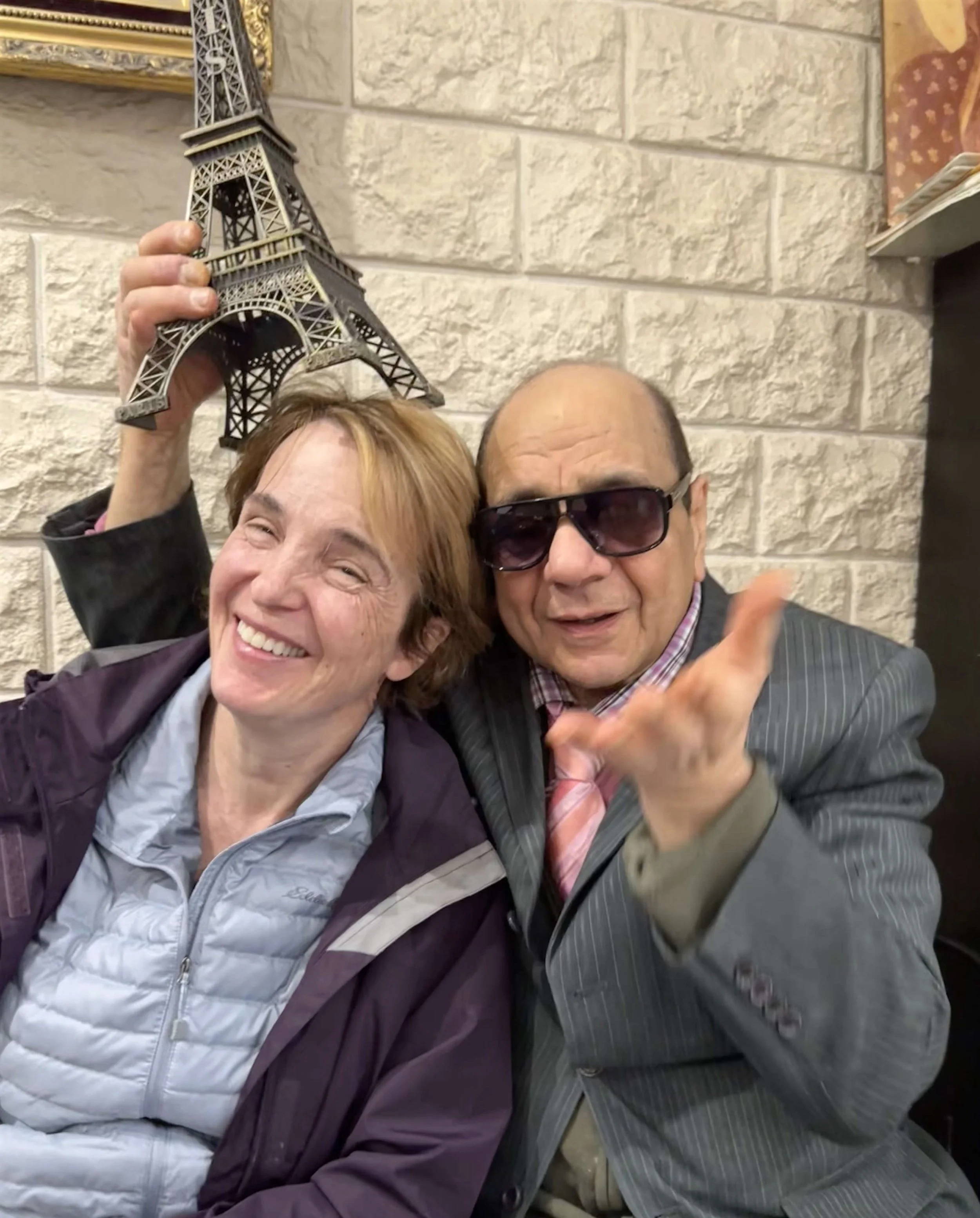
31 - The owner Giorgio seemed a little aloof at first, but then he turned-on the charm and kept us entertained throughout our delicious meal.
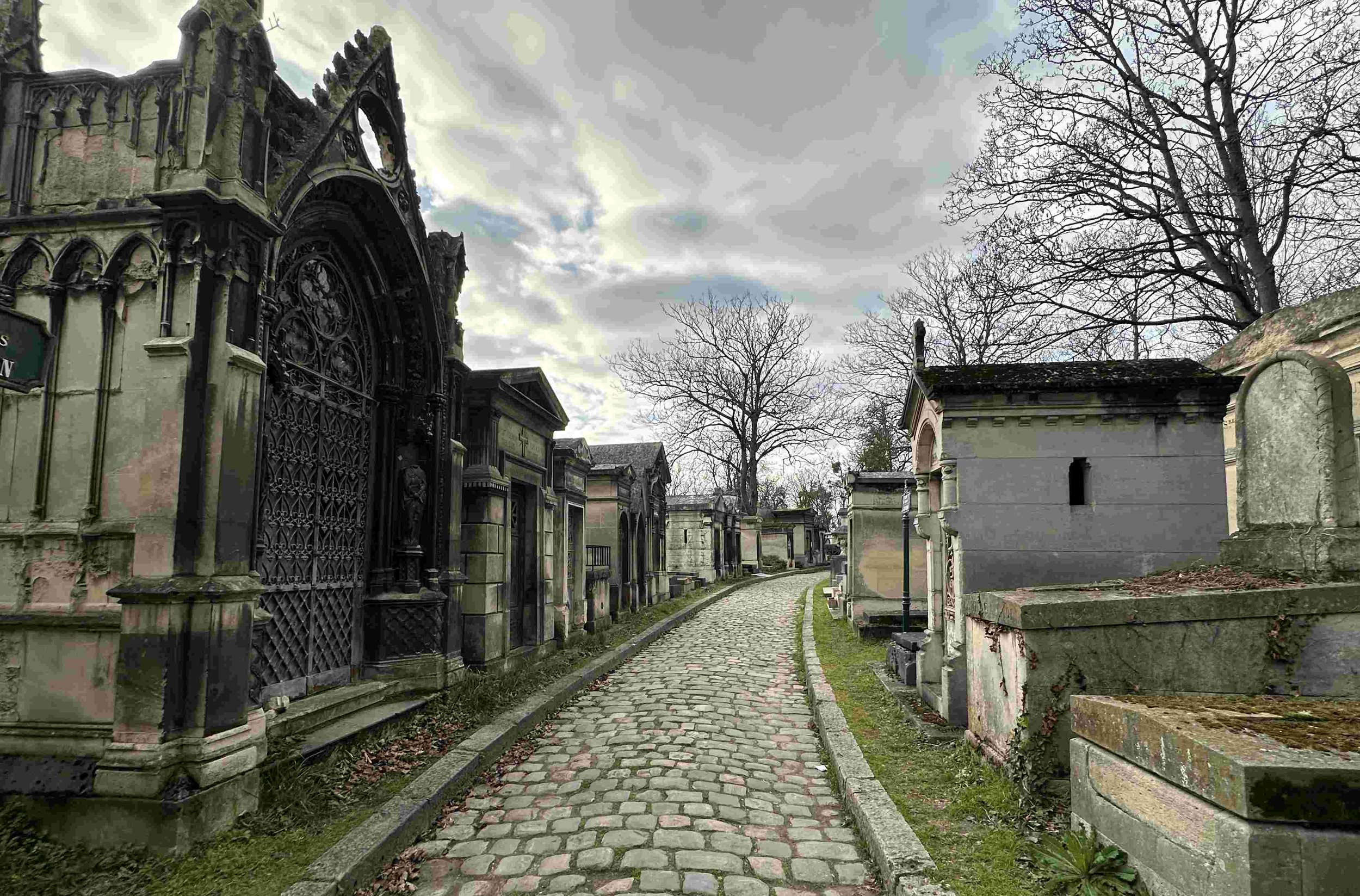
32 - Paying a visit to the eerie Père Lachaise Cemetery, which opened in 1804. With 3.5 million visitors annually, it is the most visited necropolis in the world. A necropolis is a large, ancient cemetery containing elaborate monuments and burial sites.
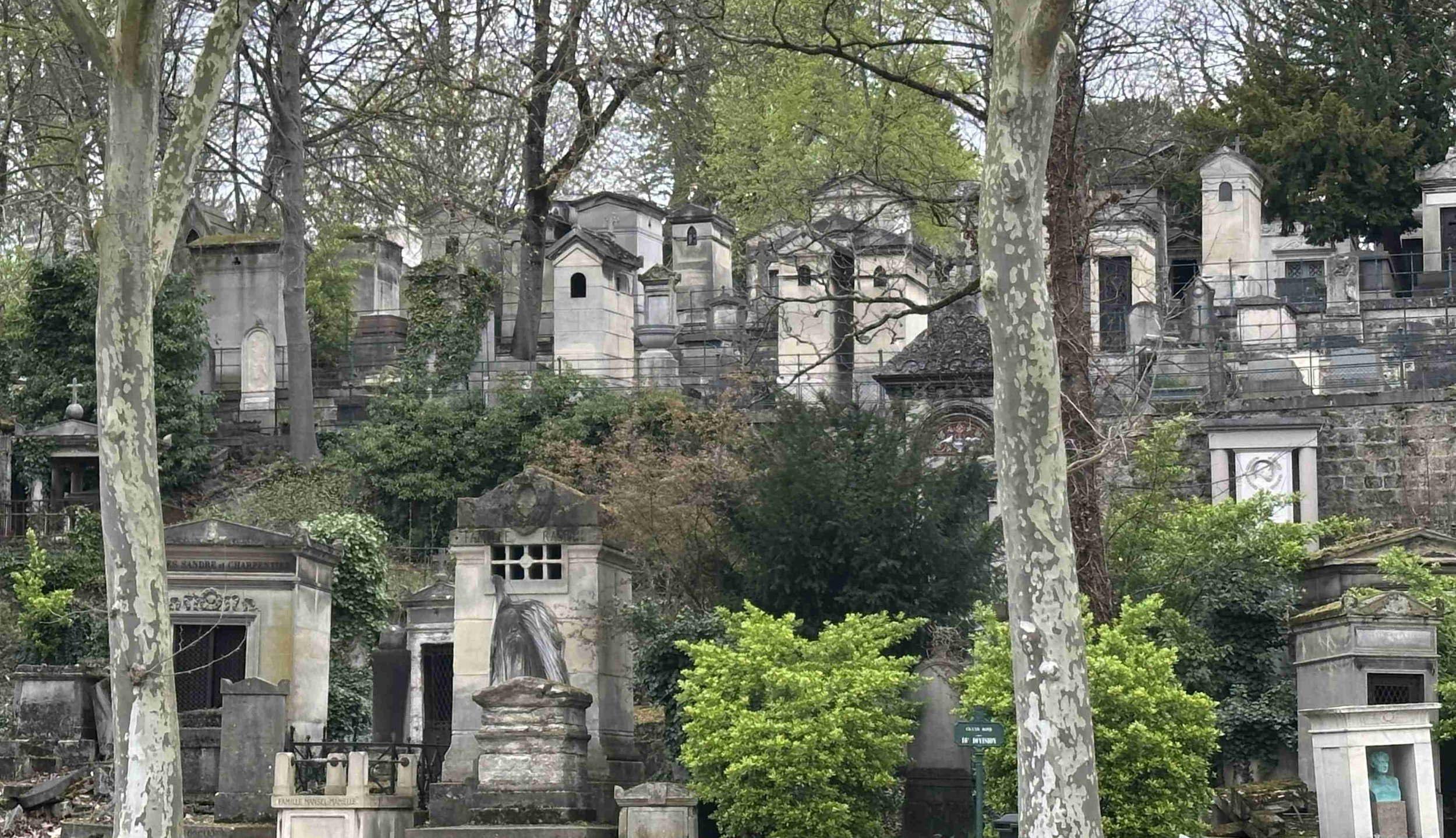
33 - Père Lachaise has become a miniature biodiversity preserve, hosting foxes and about 100 species of birds. There also a lot of famous dead people, including Frédéric Chopin, Marcel Marceau, Édith Piaf, and Oscar Wilde.
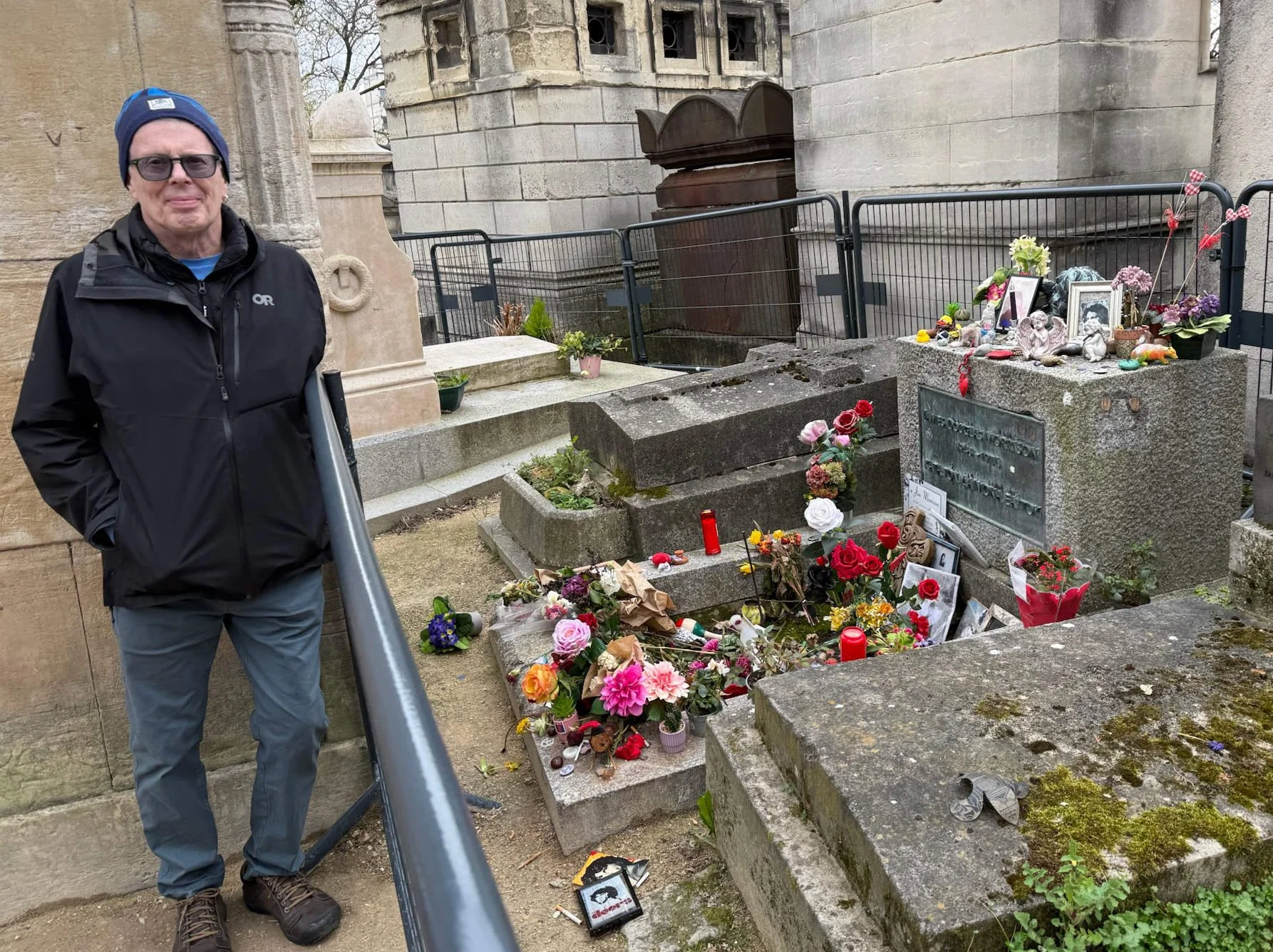
34 - But there was only one dead guy we came to see, and that was Jim Morrison, lead singer for The Doors. Morrison died in Paris in 1971 at the age of 27.
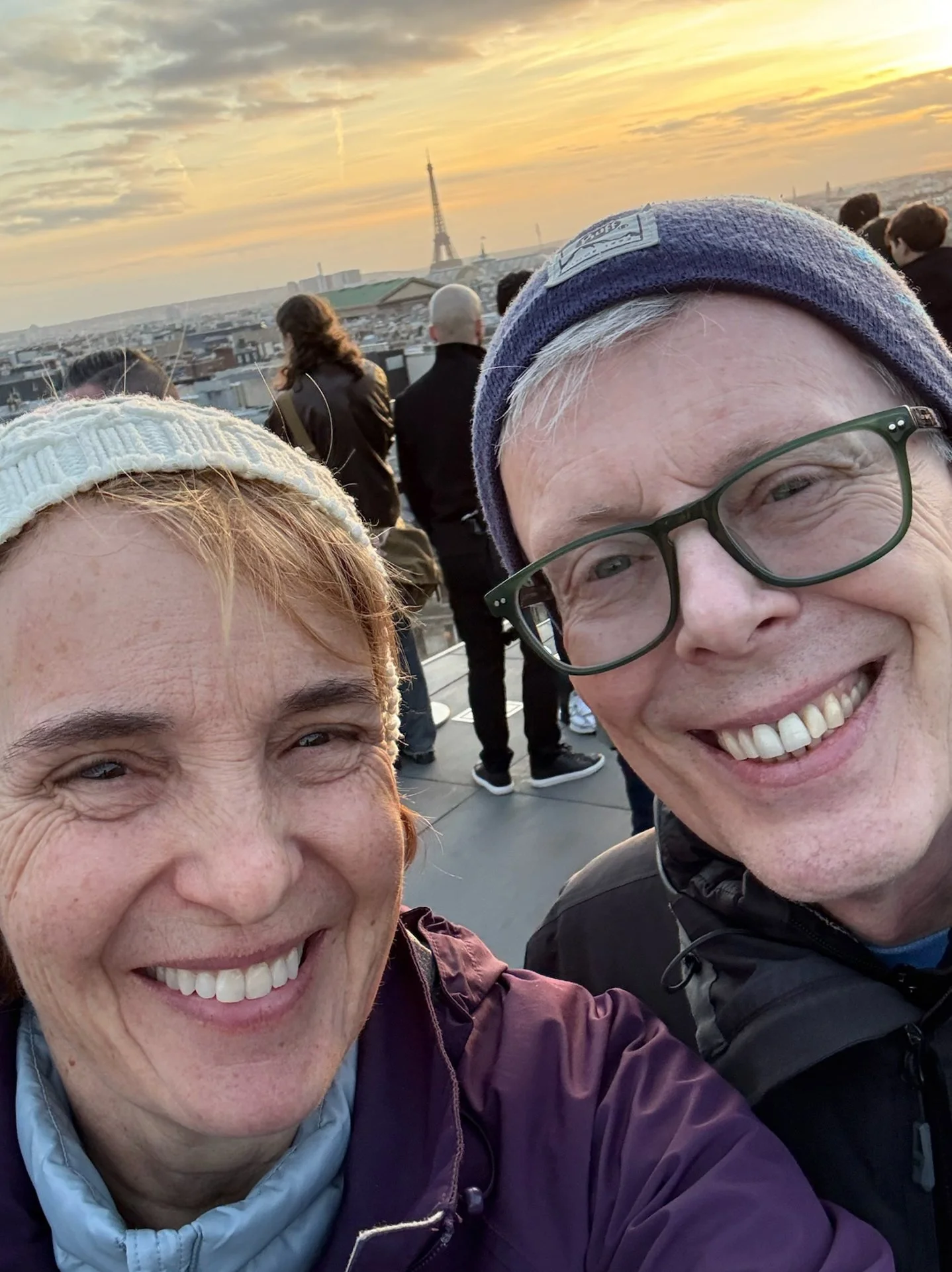
35 - To close the day, we visited the Galleries Lafayette (department store) rooftop to see the sunset.
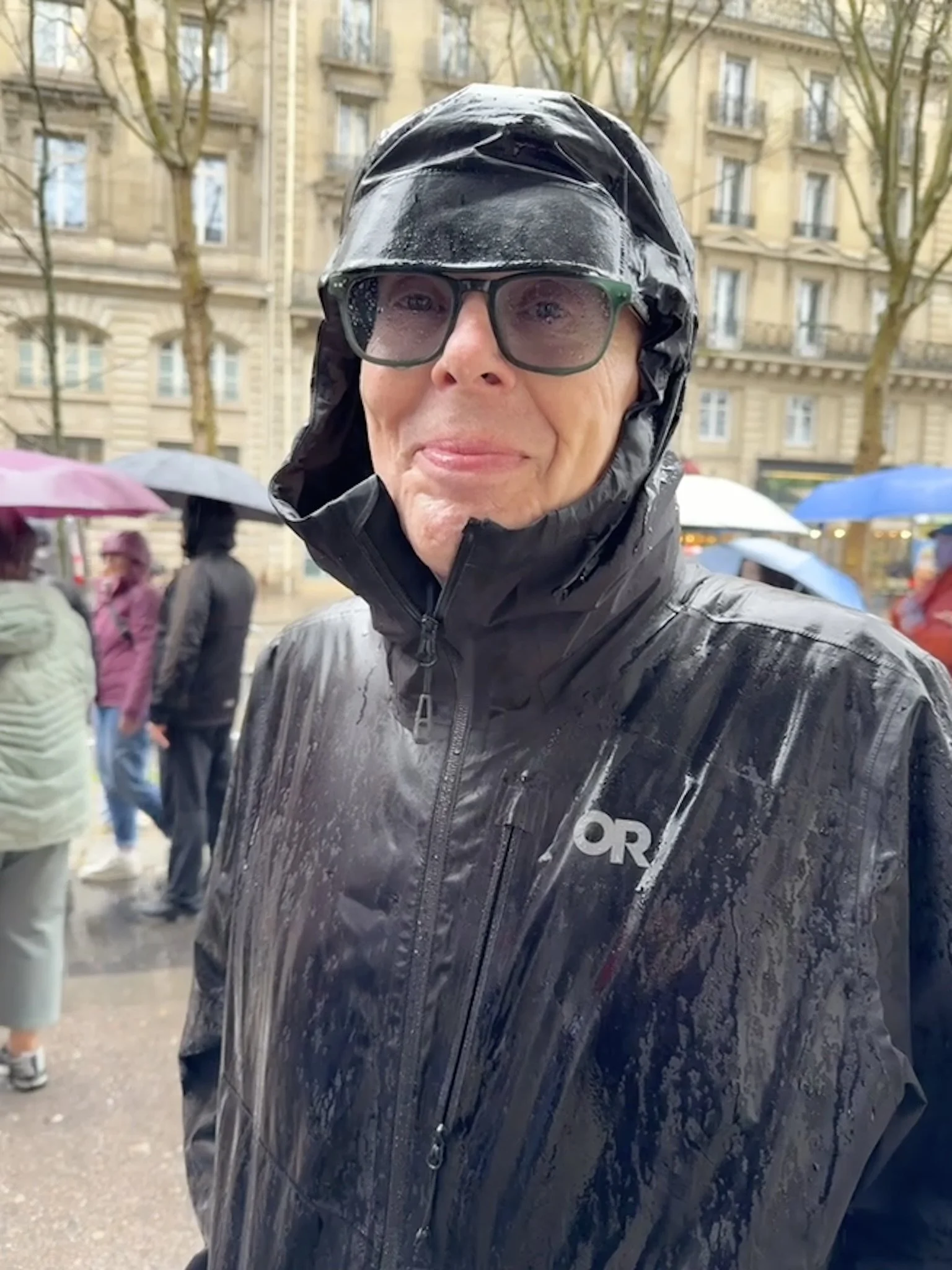
36 - Our last day in Paris was cold and rainy....
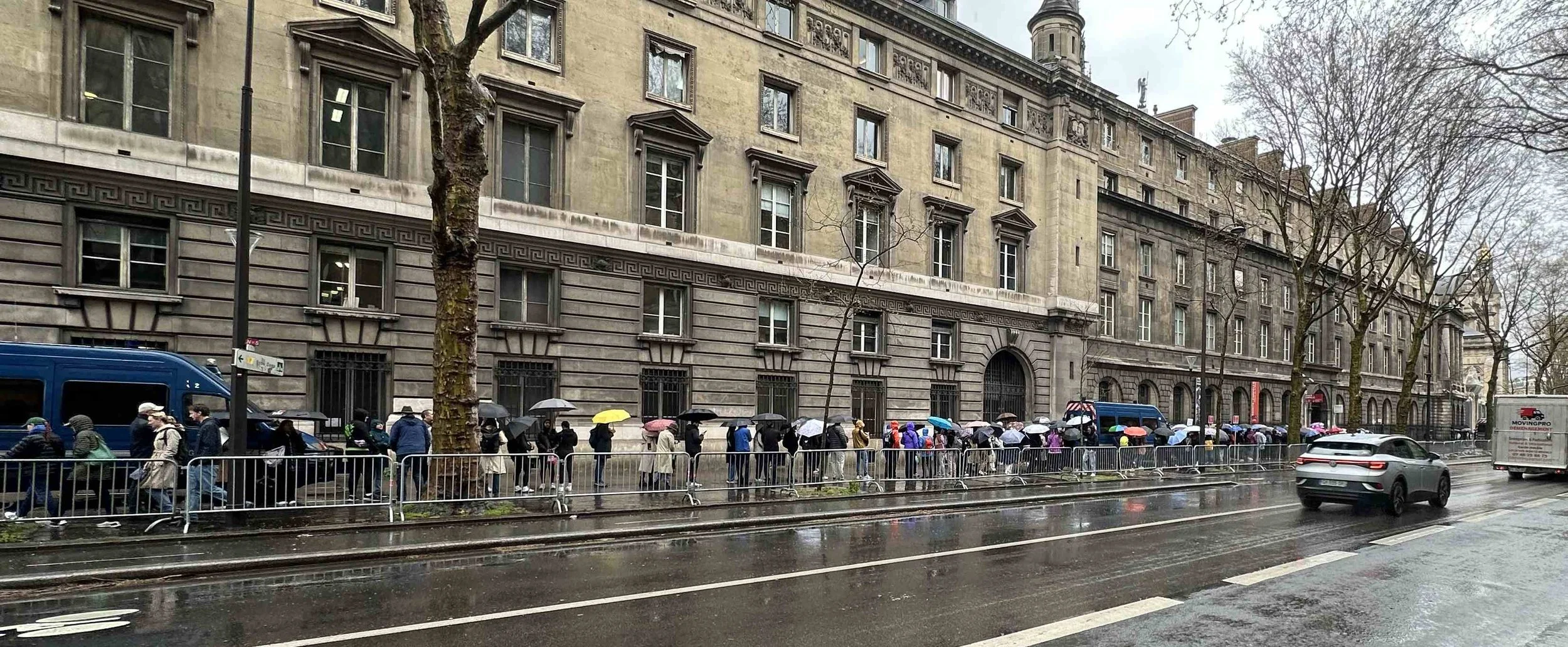
37 - We planned to visit the Sainte-Chapelle, a small chapel famous for its stained glass windows, but gave-up after waiting in the painfully slow security line for at least an hour in the rain. We've actually paid for Sainte-Chapelle tickets four different times over the years, but have only been inside once -- ask us about that sometime, if you dare.
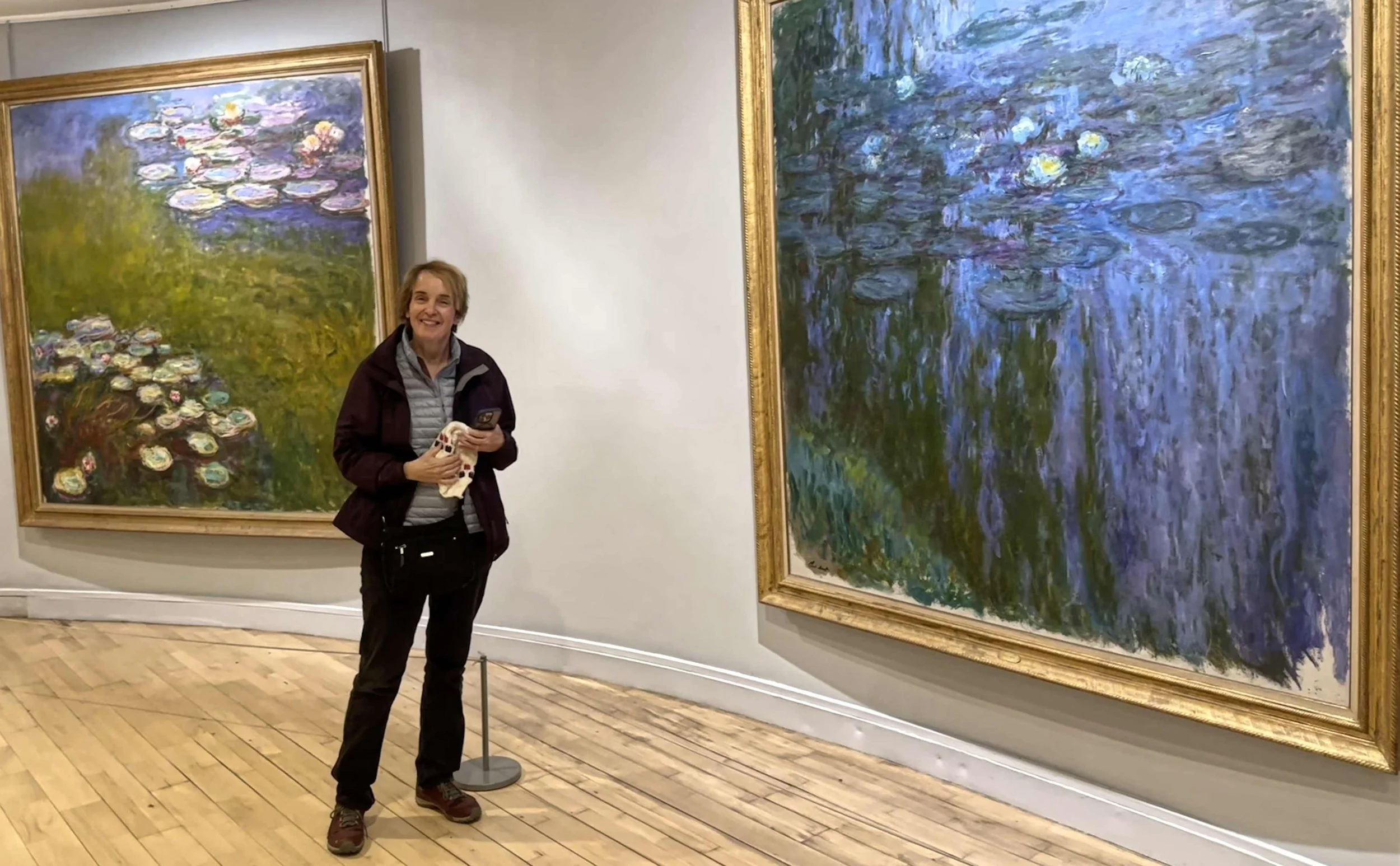
38 - After walking around aimlessly for who-knows-how-long, we ended up at the Paris Monet Museum.
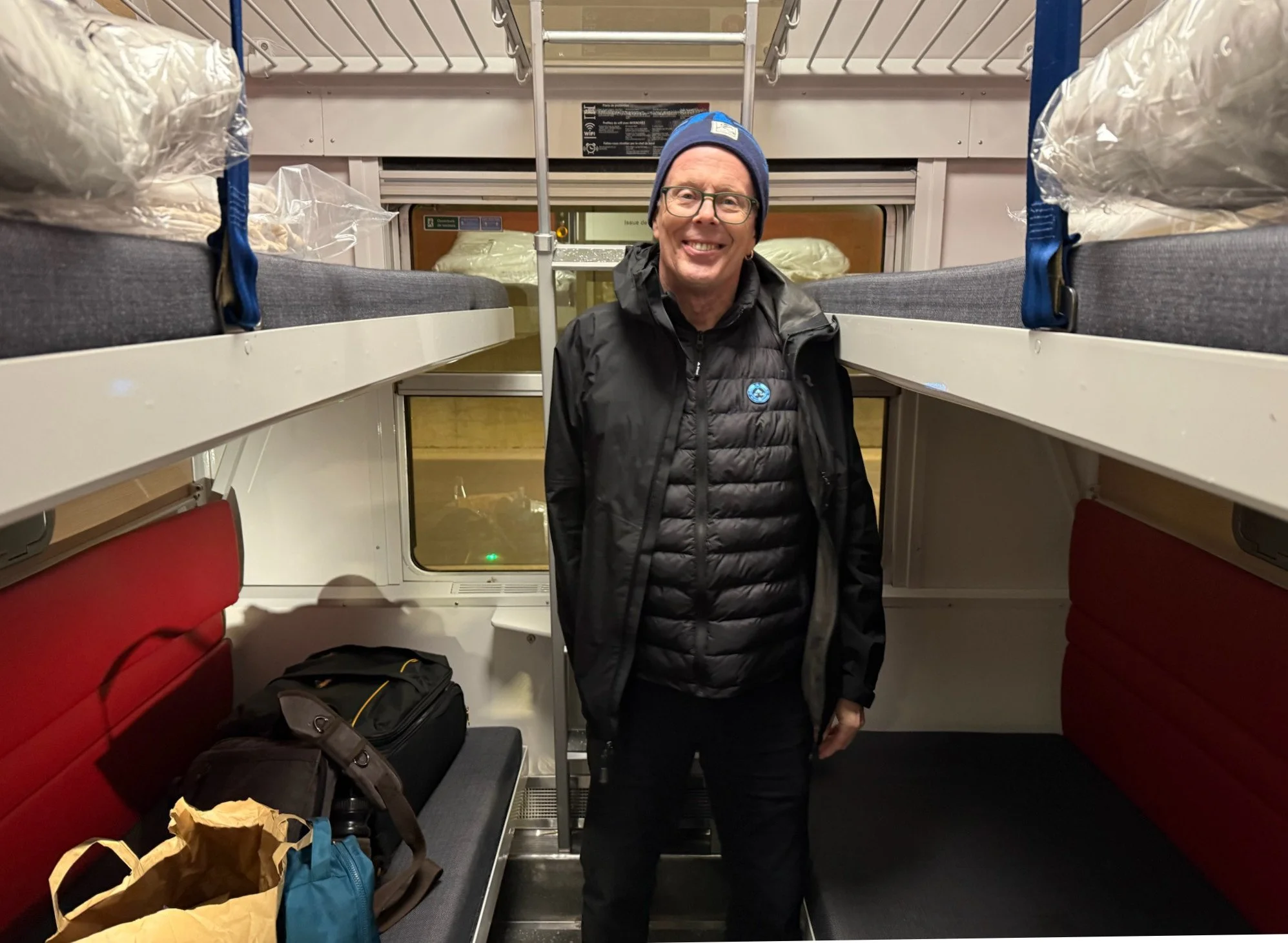
39 - In the evening, we took the night train from Paris to Marseille. It was nice to have a warm bed to sleep in after such a cold, wet day.
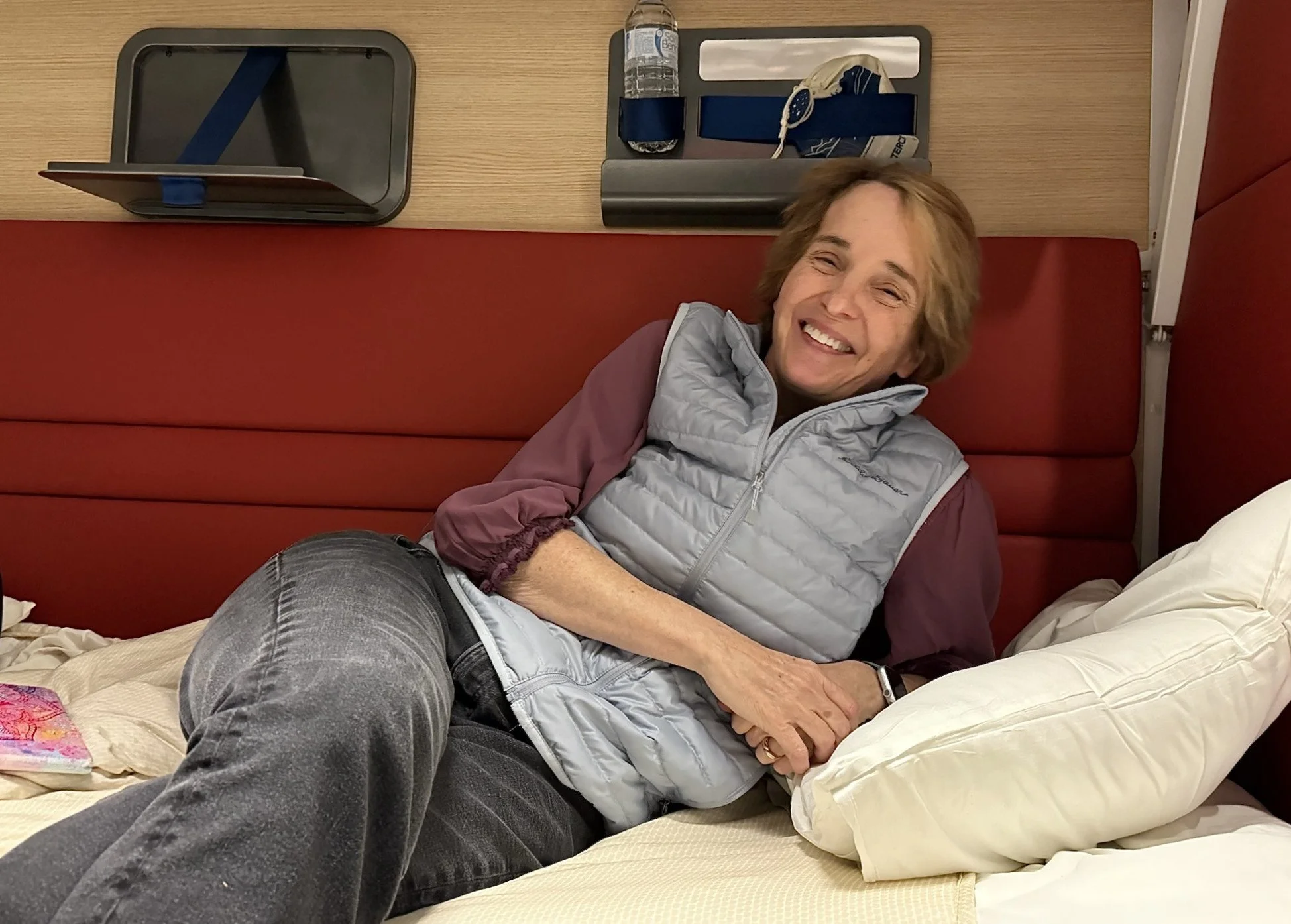
40 - Julie's quite happy to be warm and dry in her bottom bunk.
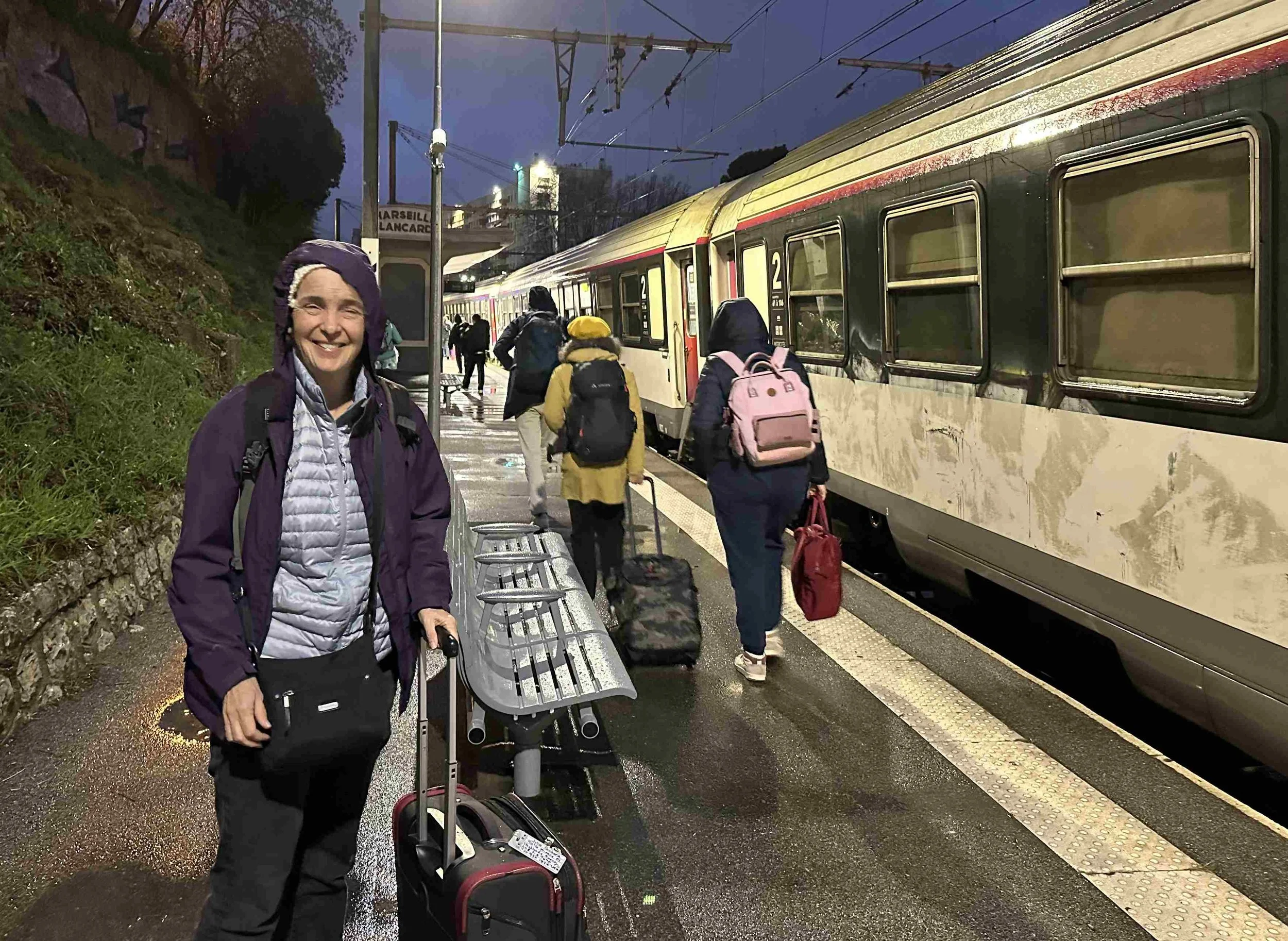
41 - There was unfortunately more rain waiting for us at our first Marseille train station.
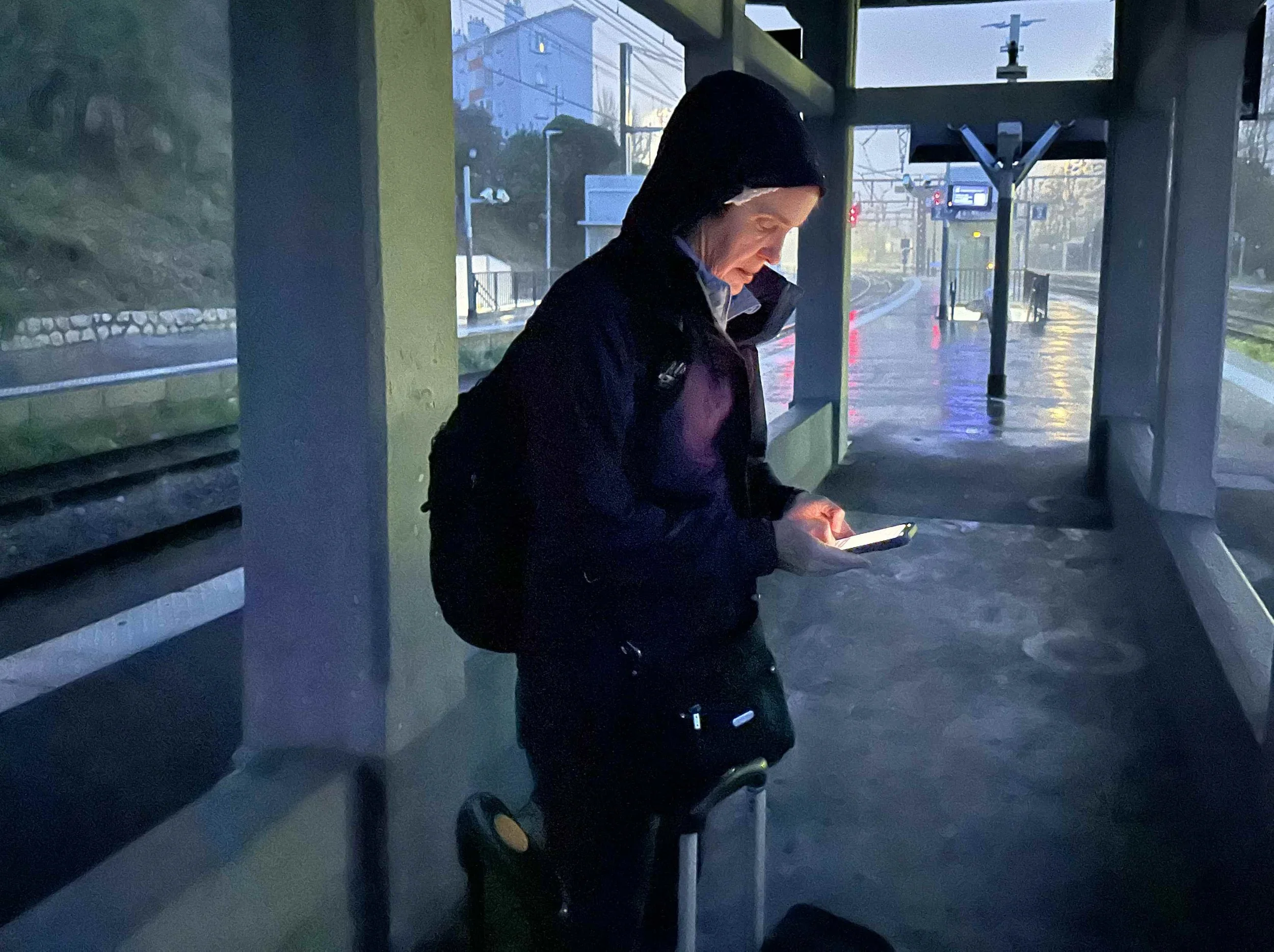
42 - And we realized we still to buy tickets for the next leg of our journey -- a 5-minute ride to the main station. As Julie bought tickets, a thunderstorm with a very large crack of thunder blew through.
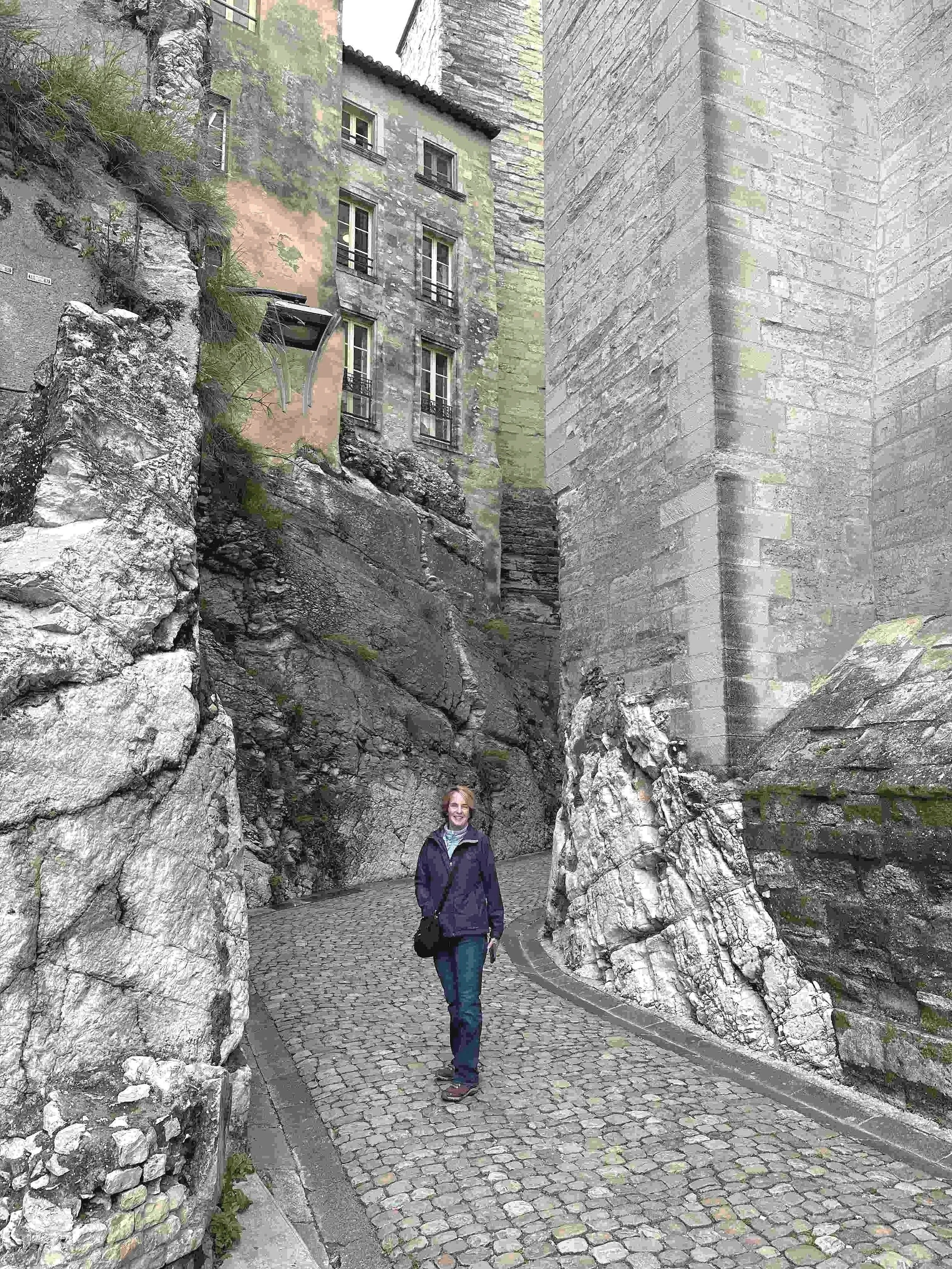
43 - Avignon's old town has lots of interesting streets and structures built right into the rock.
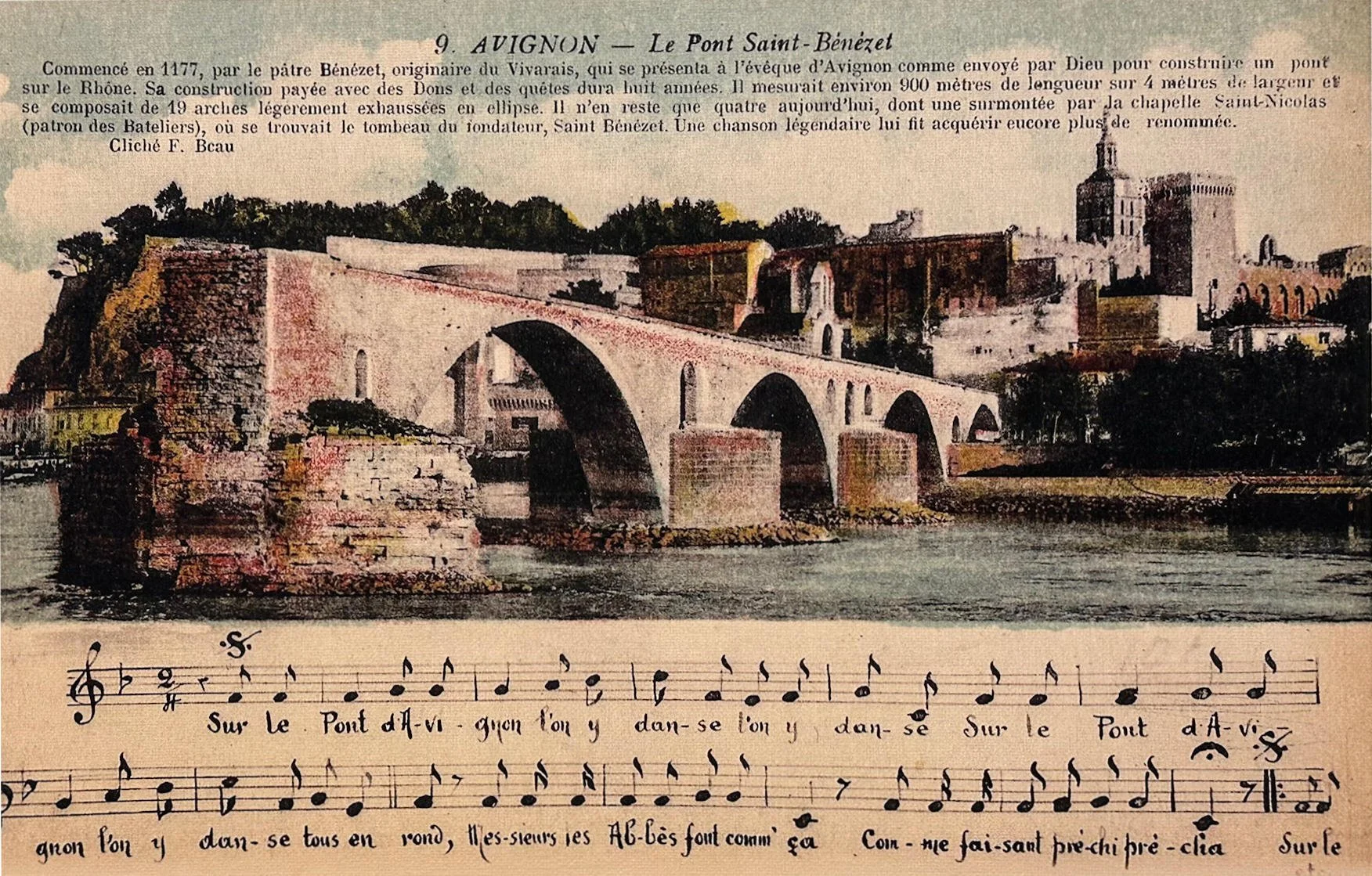
44 - This is an old post card with lyrics from a song Rick used to sing in Junior High French Class about the famous Avignon Bridge. "Sur le Pont d'Avignon" is a famous 15th-century French children's song and nursery rhyme about dancing on the bridge.
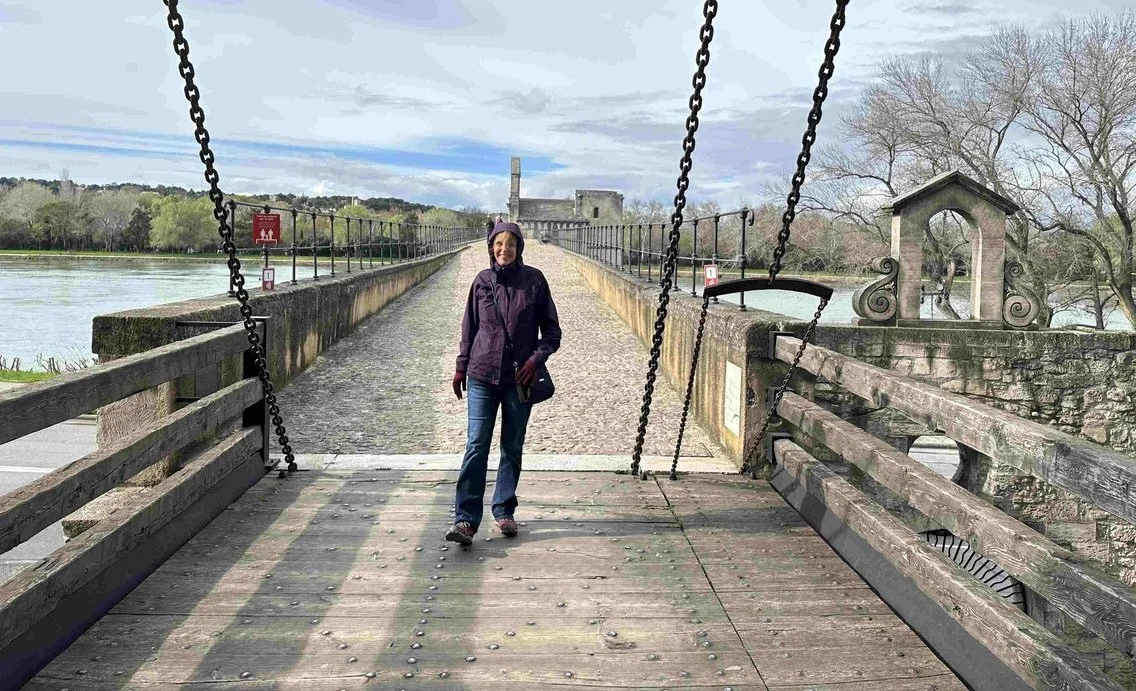
45 - Julie is first to set foot on the bridge, while Rick belts out "Sur le Pont d'Avignon" to accompany her first steps.
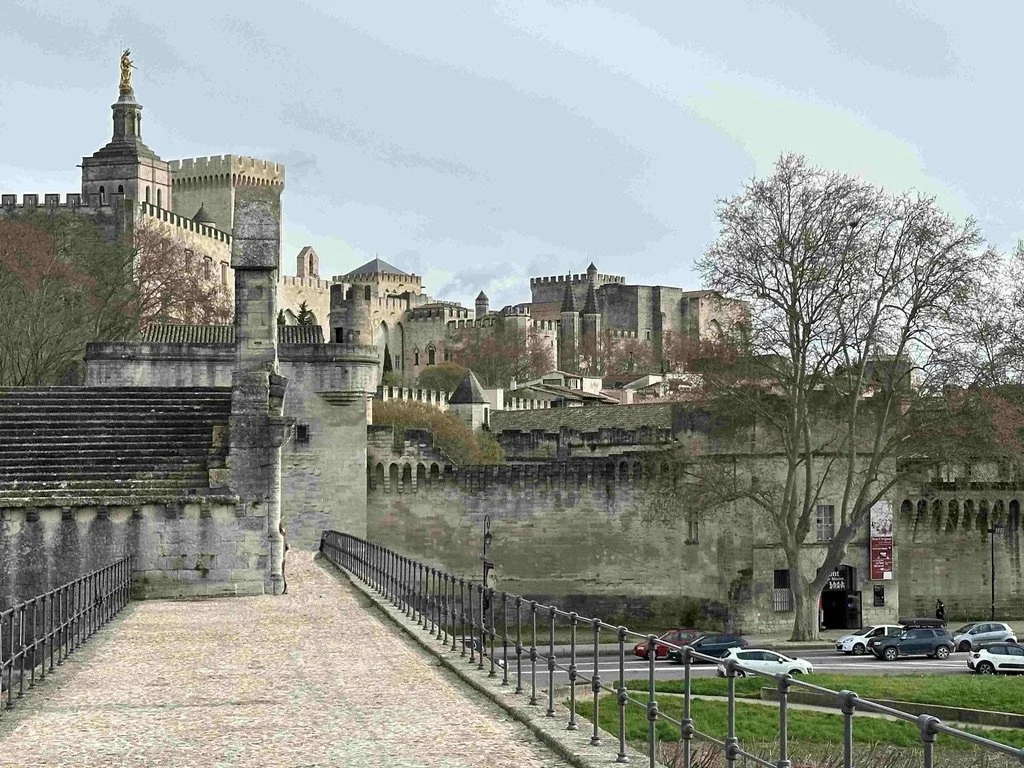
46 - From the bridge, this is a view of some of the City walls. Avignon's city center is entirely enclosed by 2.5 miles of walls. The walls offer evidence of the importance of fortifications in 14th century France.
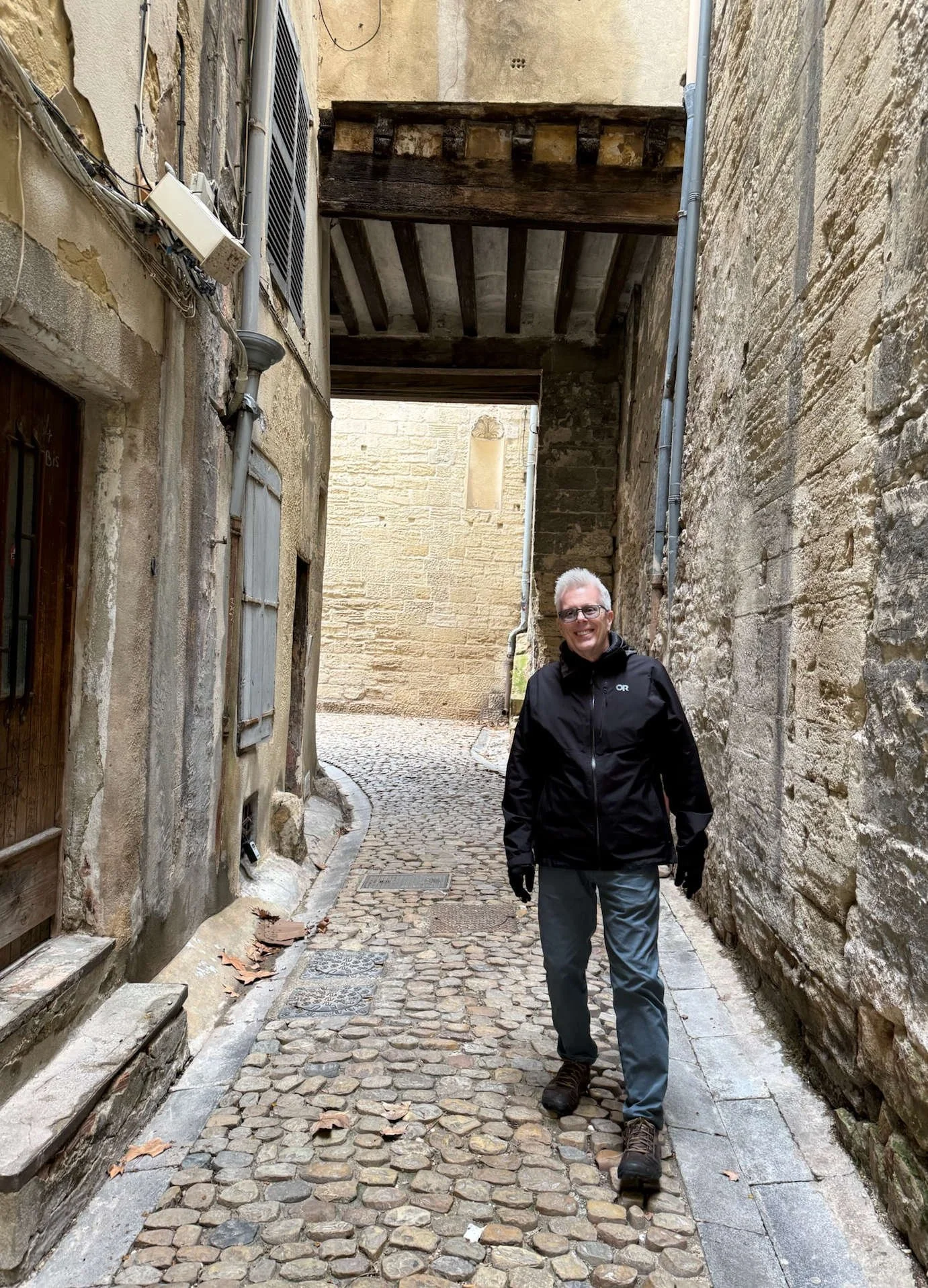
47 - Back on the narrow streets of Old Town Avignon.
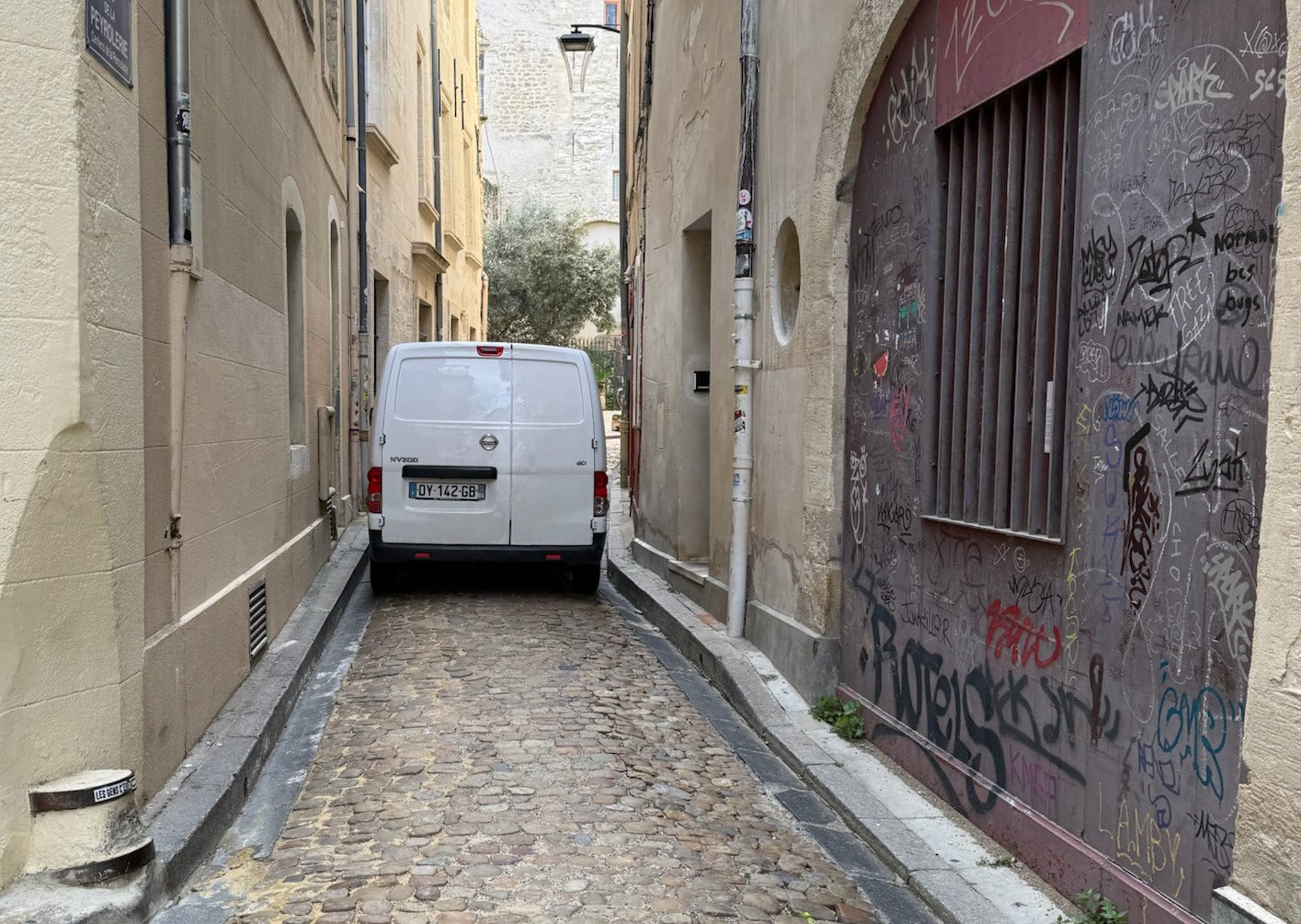
48 - Yep, they are truly narrow, in case you had any doubts.
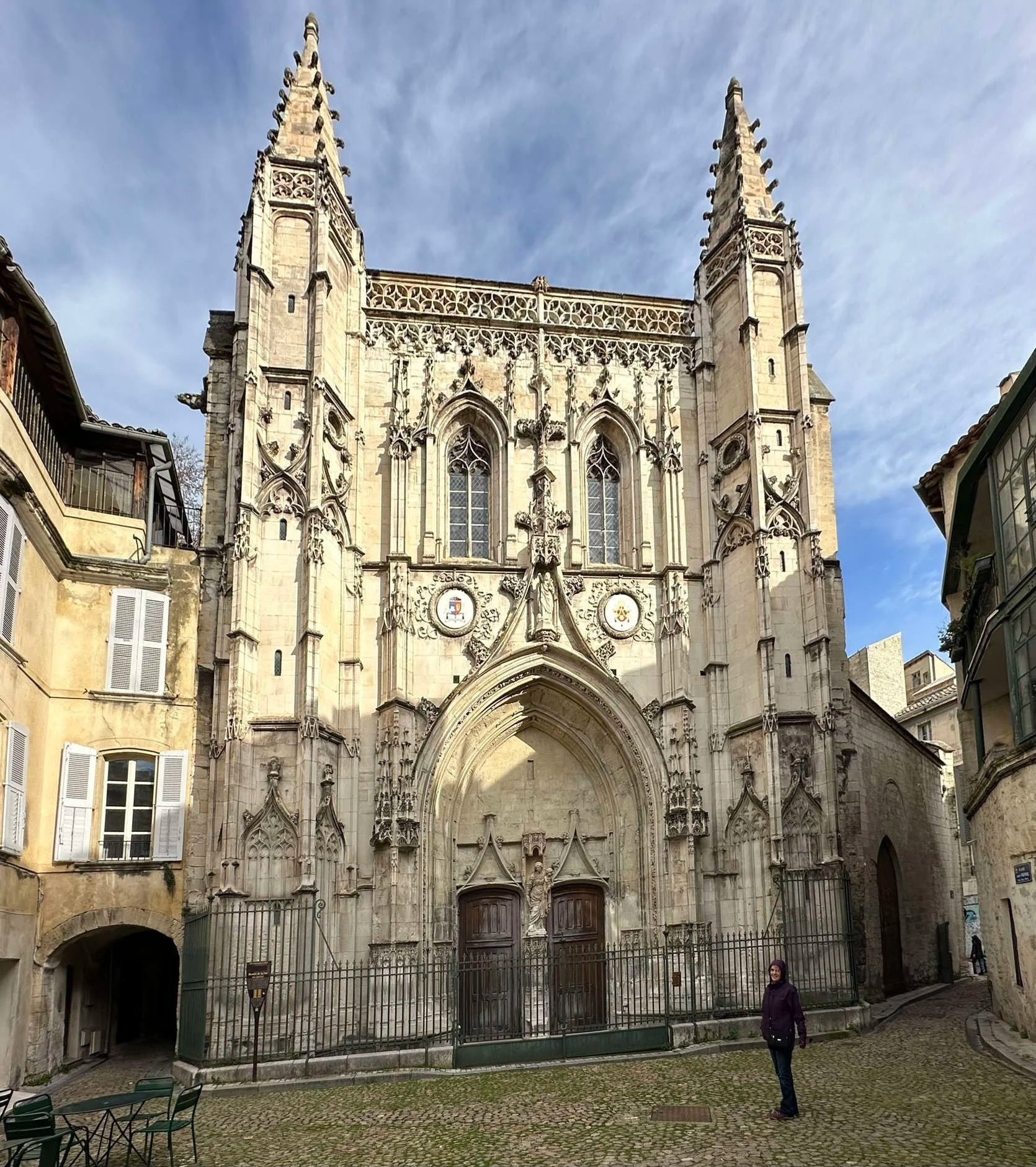
49 - Saint Peter's Basilica is a Gothic style Catholic basilica built on the site of an earlier 7th century structure. Its reconstruction dates from 1358.
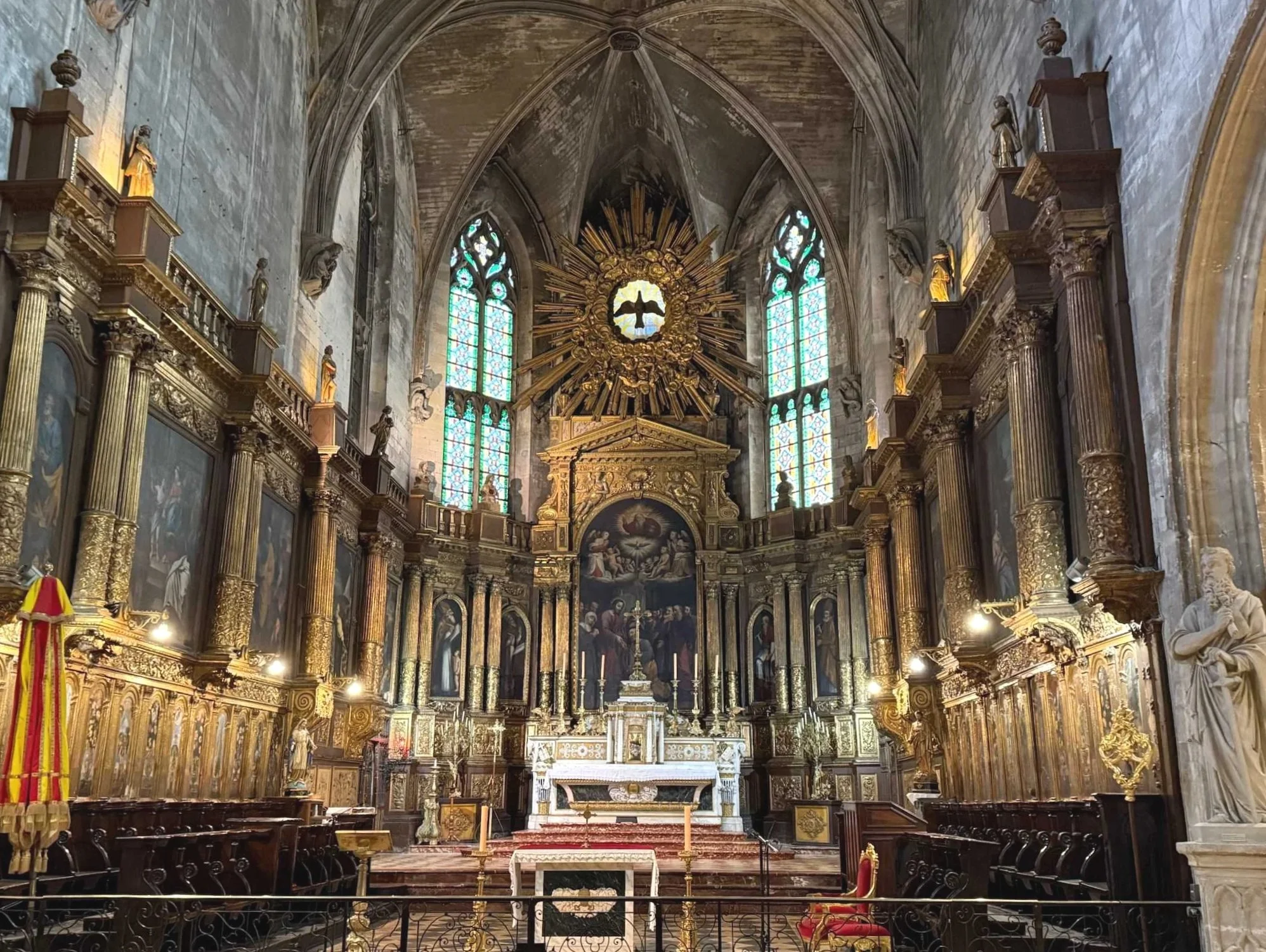
50 - The basilica's beautiful altar was crafted in 1634. The original altar was moved to an Avignon church several miles away.
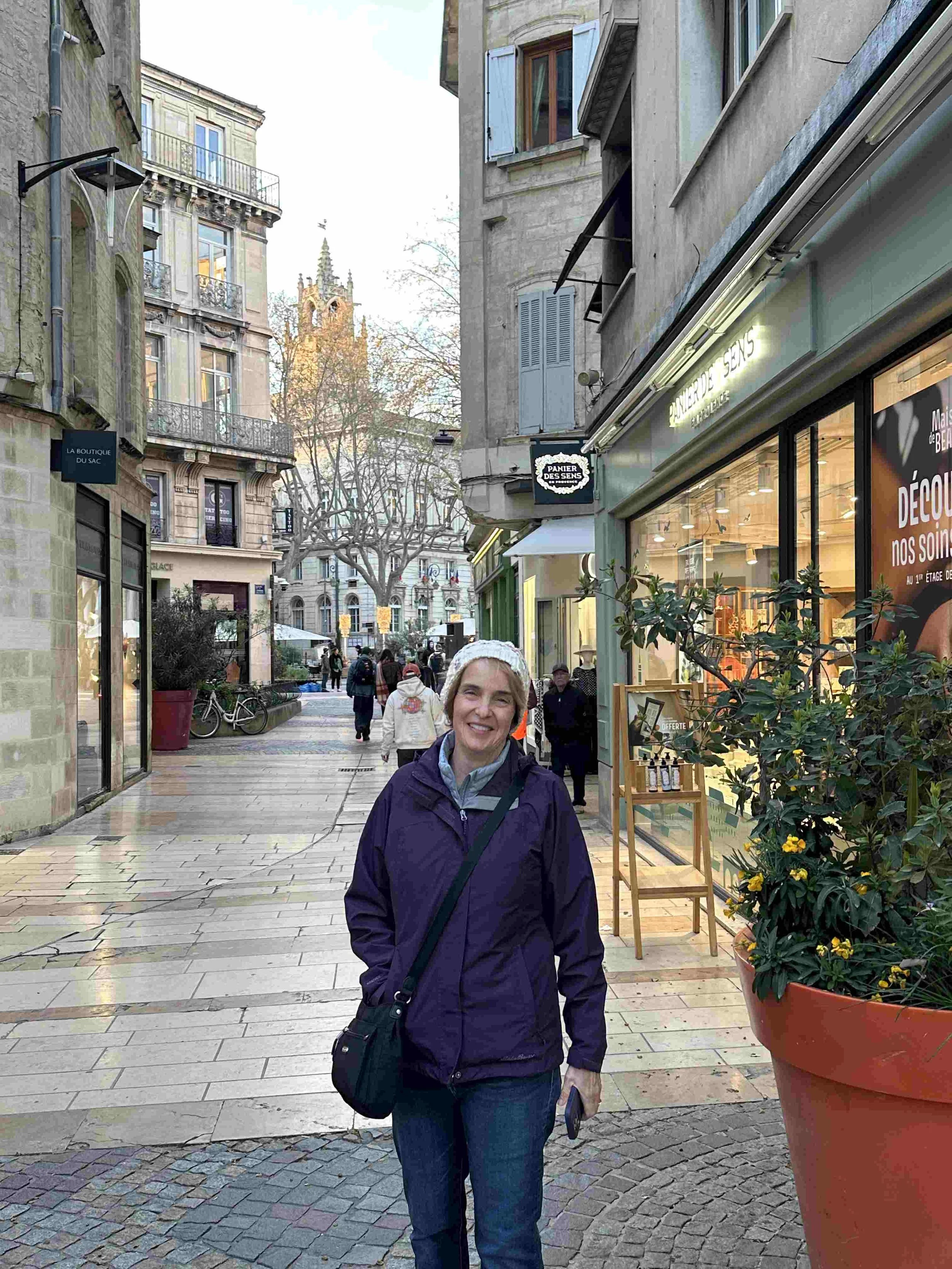
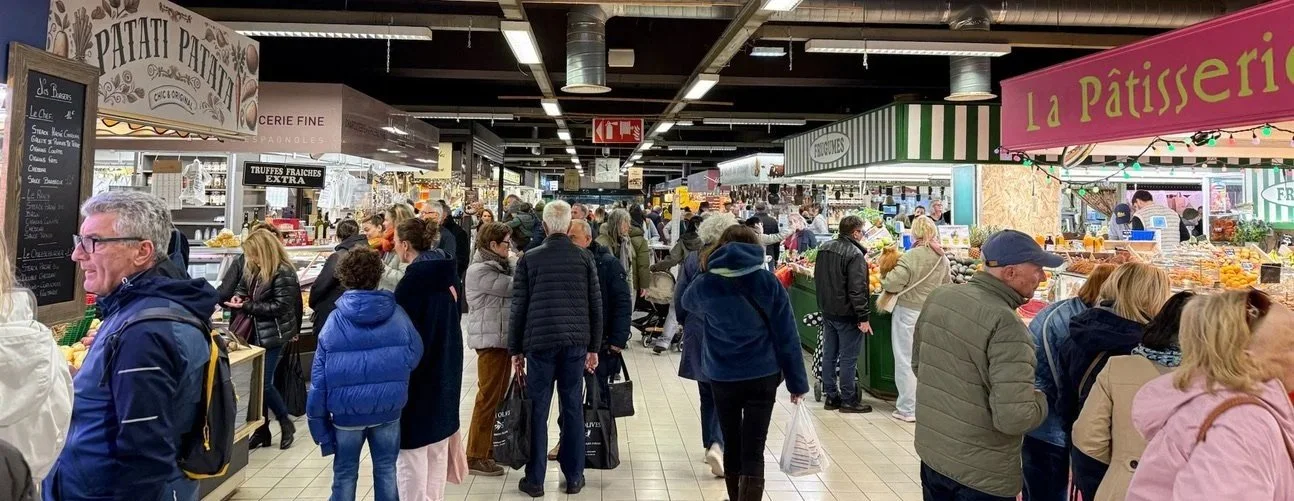
51 - Making our way to Place de l’Horloge (town square) where there are lots of places to eat an drink.
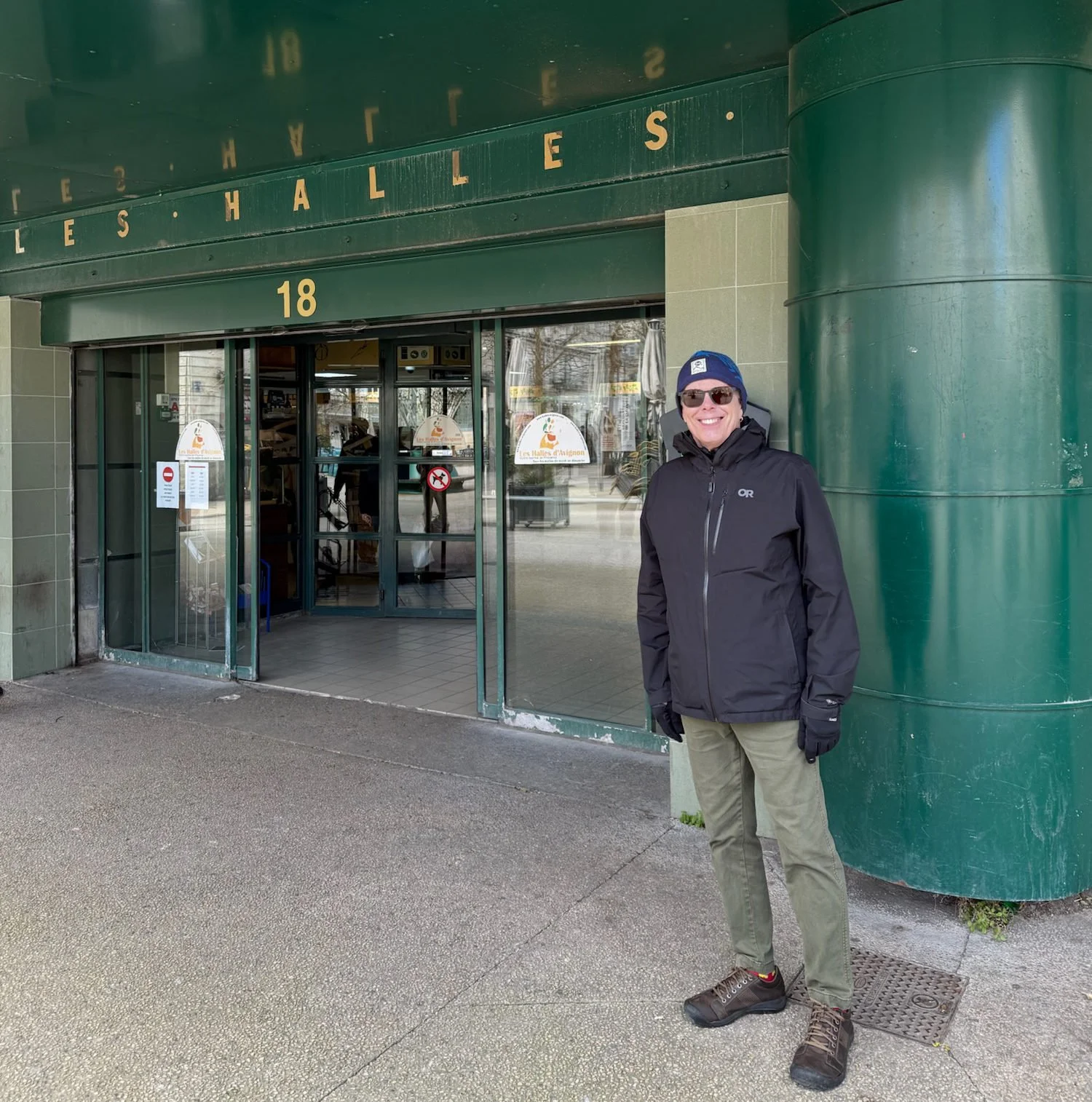
52 - Sunday morning found us at Les Halles d'Avignon (produce market).
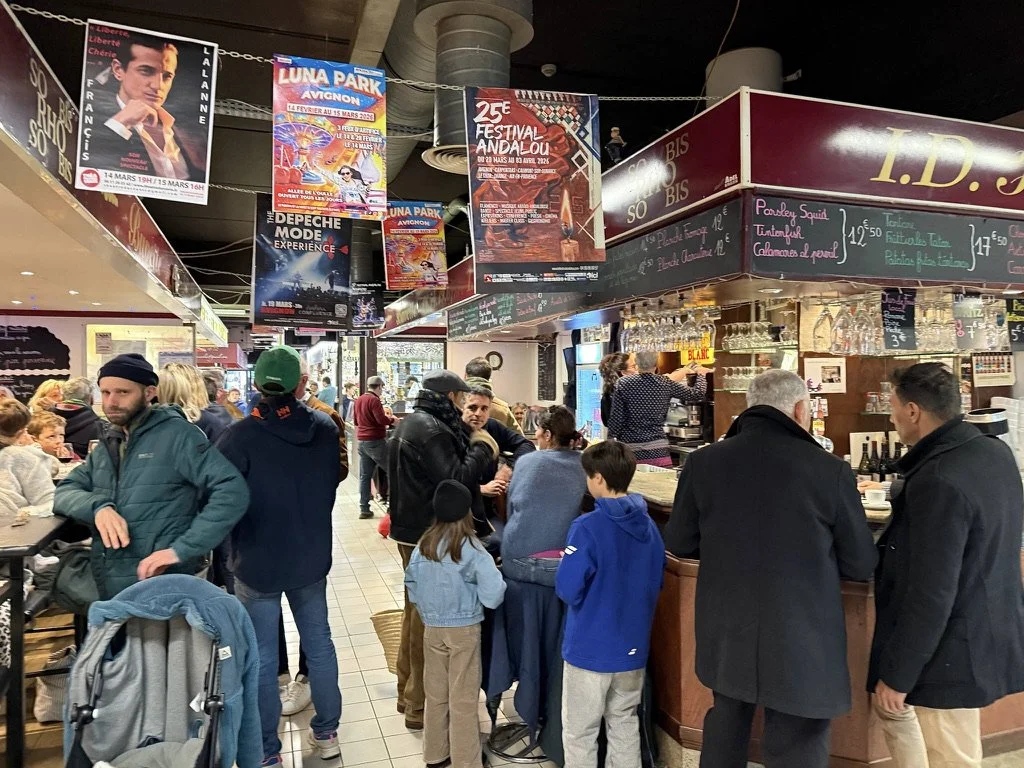
53 - And everyone else in Old Town had the same idea. Very few stores and restaurants were open on Sunday in Avignon.
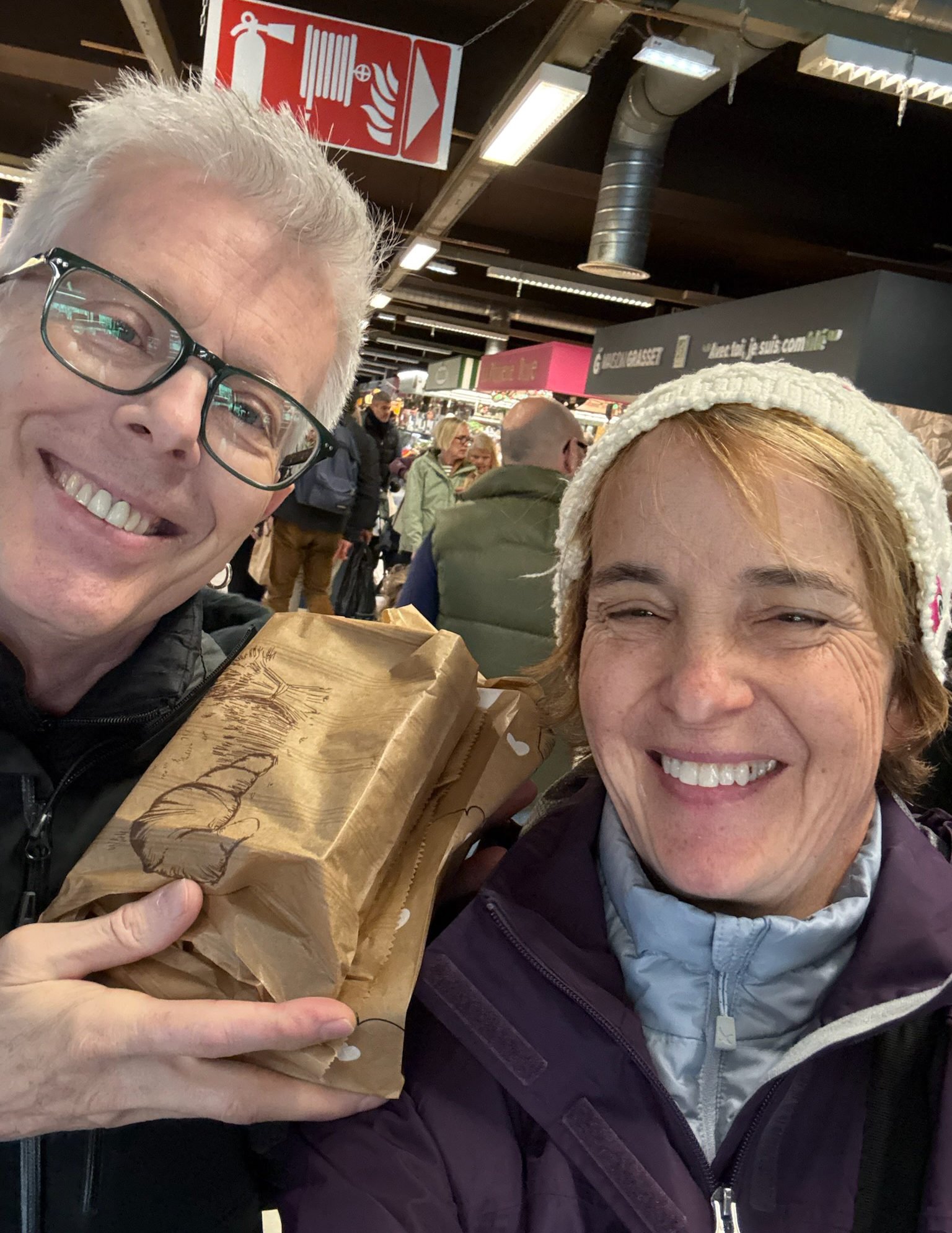
54 - Lots of people hanging-out at Les Halles, including one very suspicious-looking man. Can you spot him?
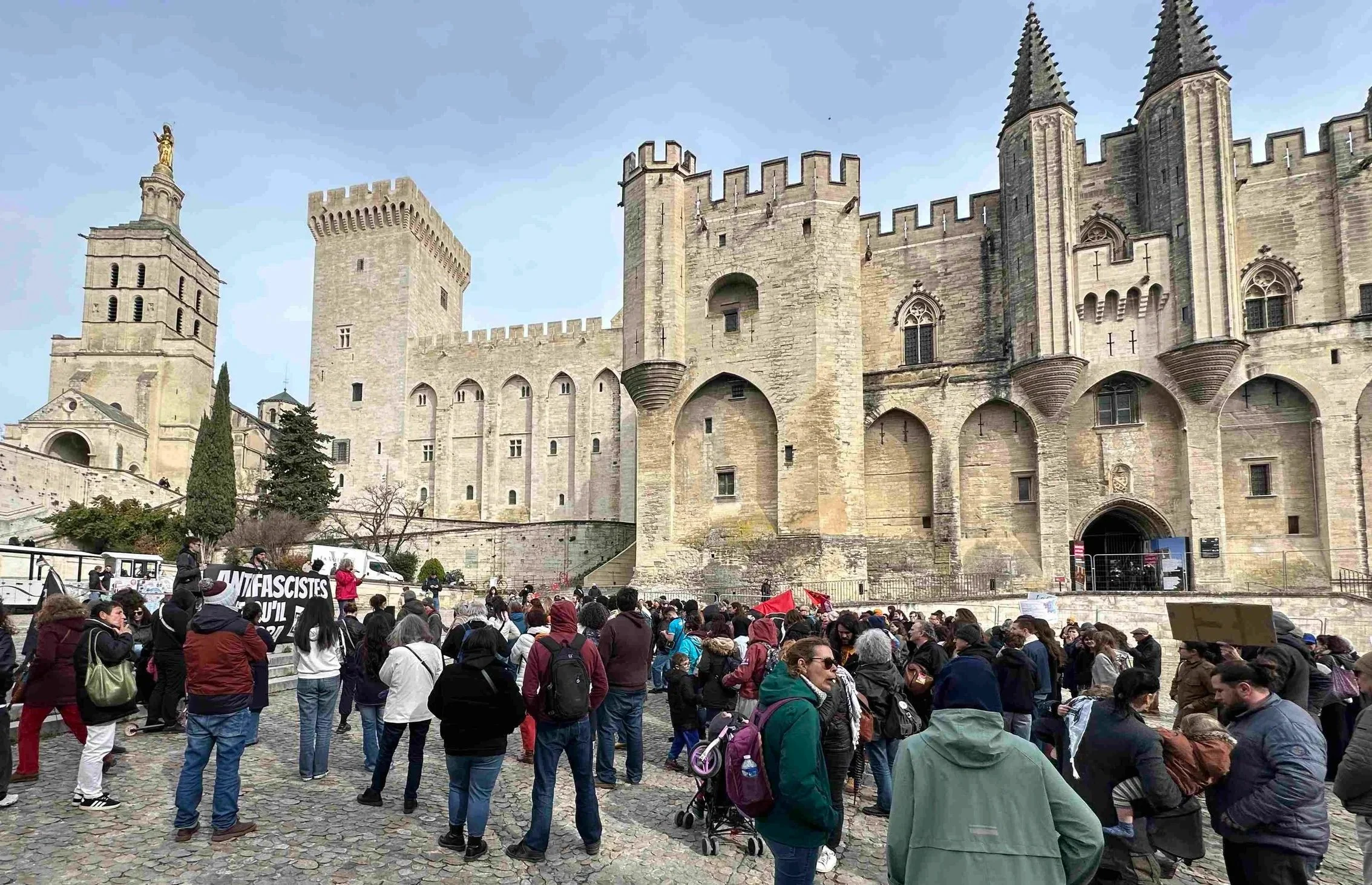
55 - We left the market with a nice booty of food for the day, including quiches, cheese, and some sweets.
56 - On our visit to the Palace of the Popes, we encountered a protest against fascism. Fascism is dictatorships, extreme nationalism, and racism. Some famous fascists? Hitler and Mussolini. Any idea why some US leaders don't like anti-fascism and use a scary name like "antifa" to describe it? Didn't the Greatest Generation fight WWII to end fascism?
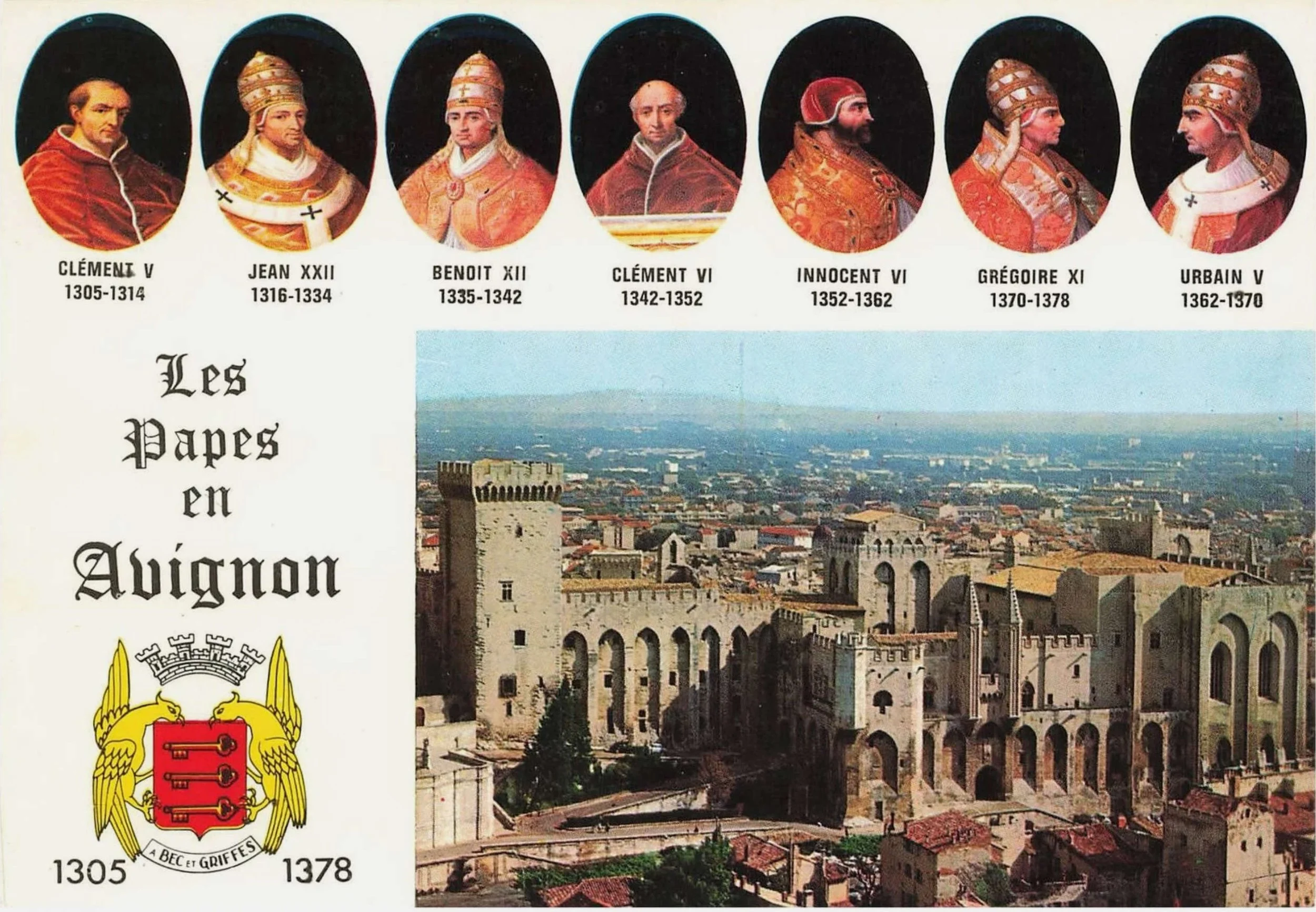
57 - This is an old post card for the Palace of the Popes. The Palace was built because there were 7 French Popes, all elected in succession, who had the idea of maybe moving the Catholic Church's center of power away from Rome.
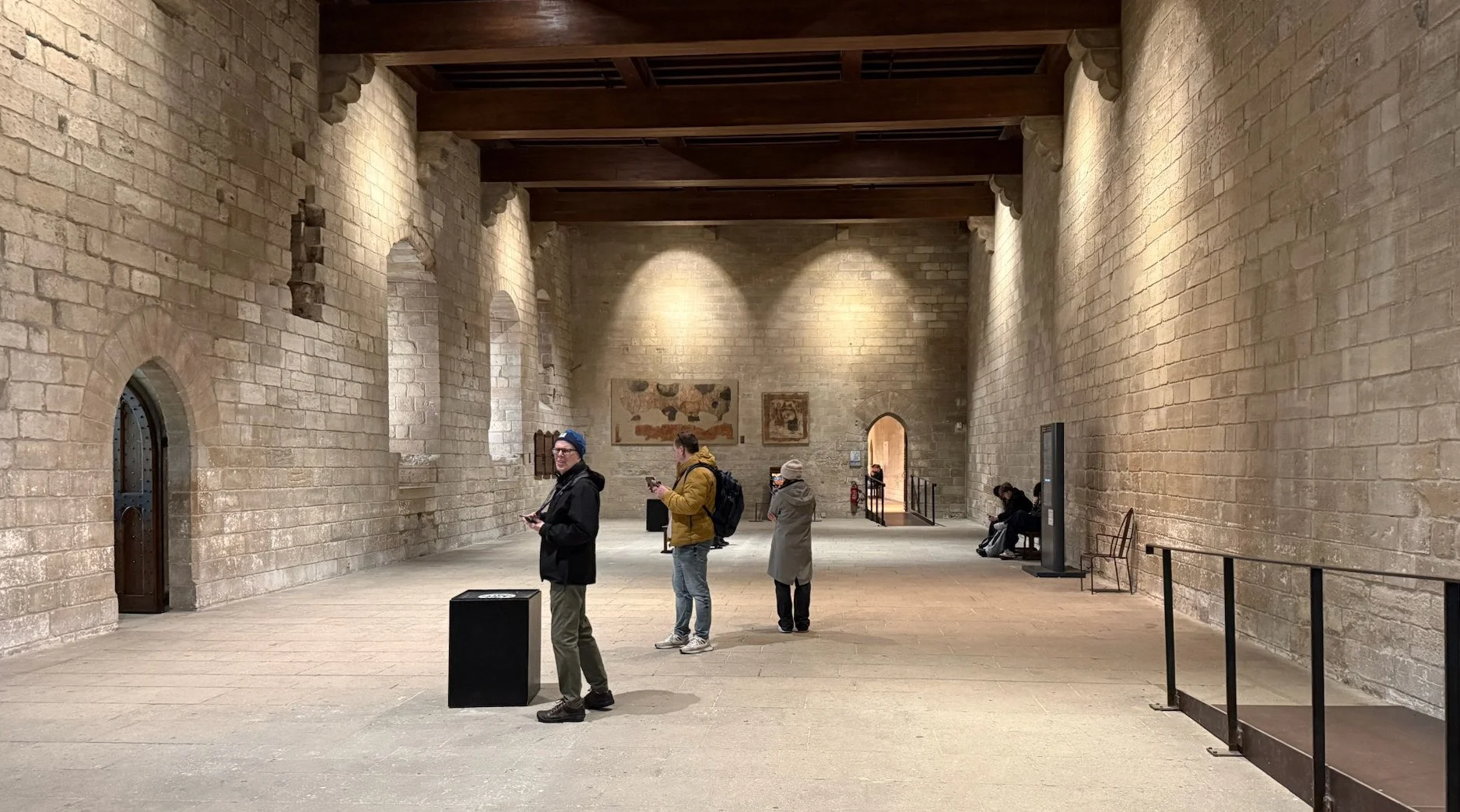
58 - It seems that the Catholic Church does not place a lot of value on the Palace, as it's mainly a skeleton of its former self -- very little restoration work, art, or monuments.
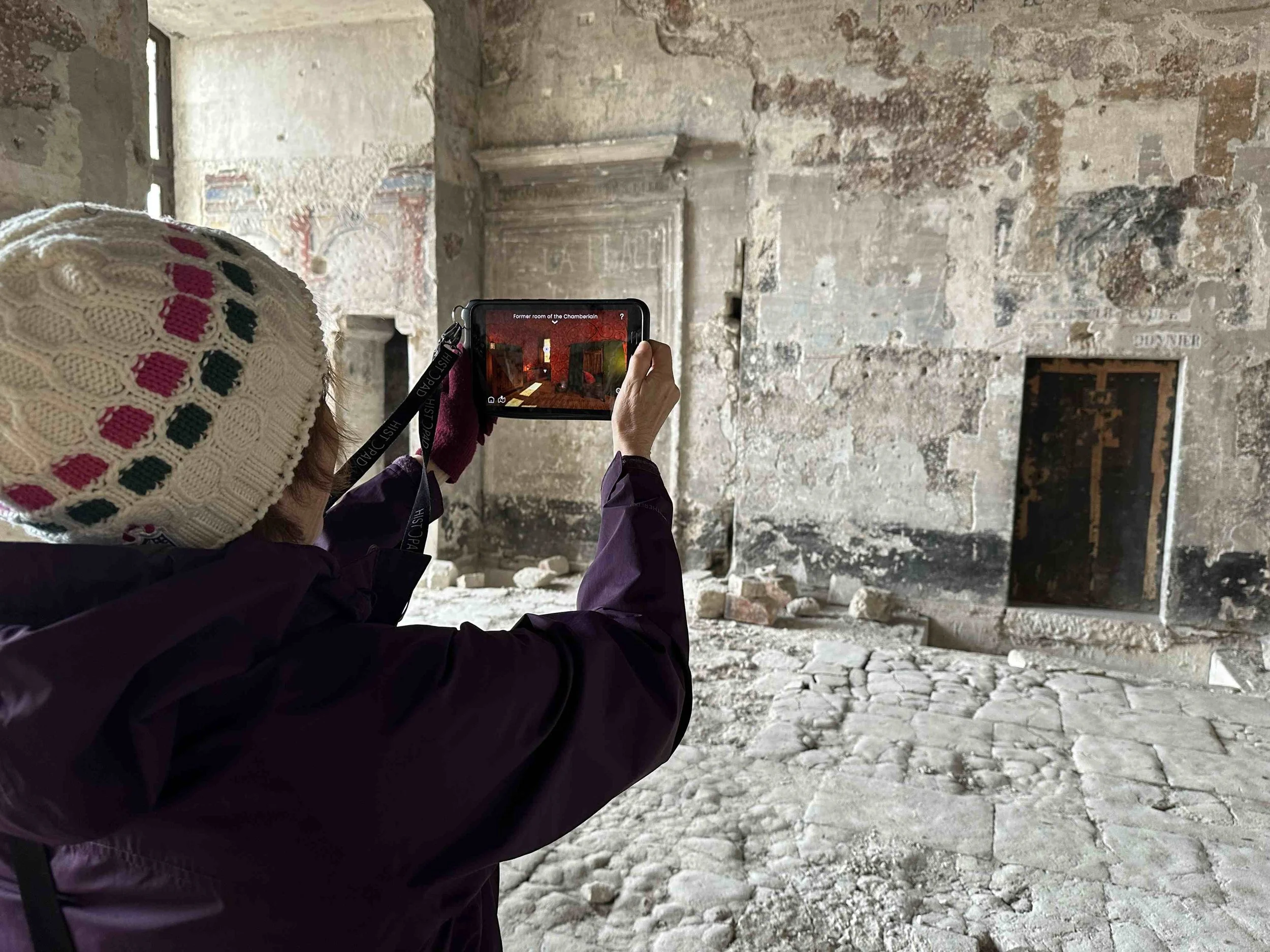
59 - Fear not -- through the magic of technology, the Palace has a way to show visitors what the rooms used to look like. It was quite luxurious back in the day.
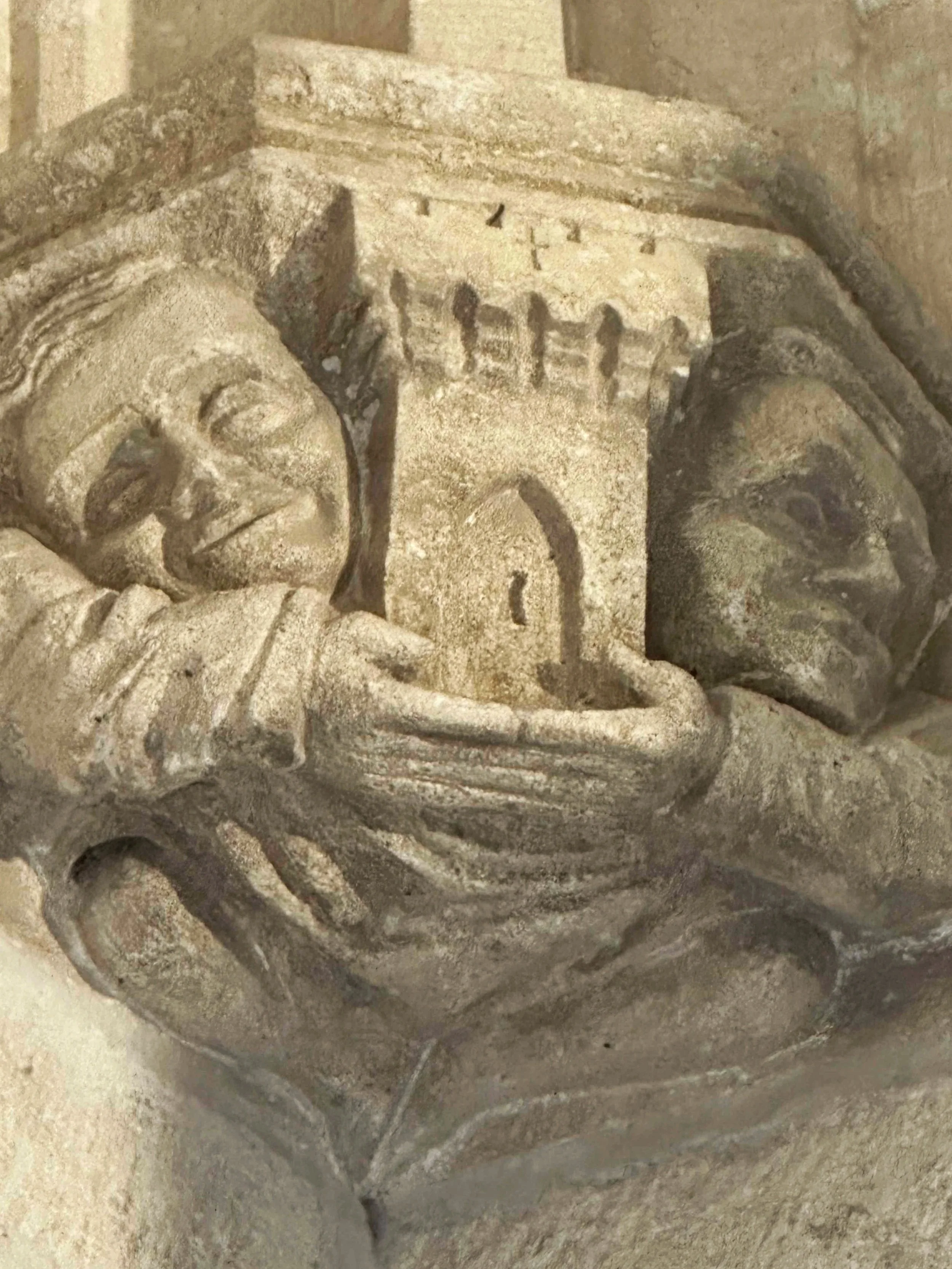
60 - There is surviving stonework in out-of-the-way places.
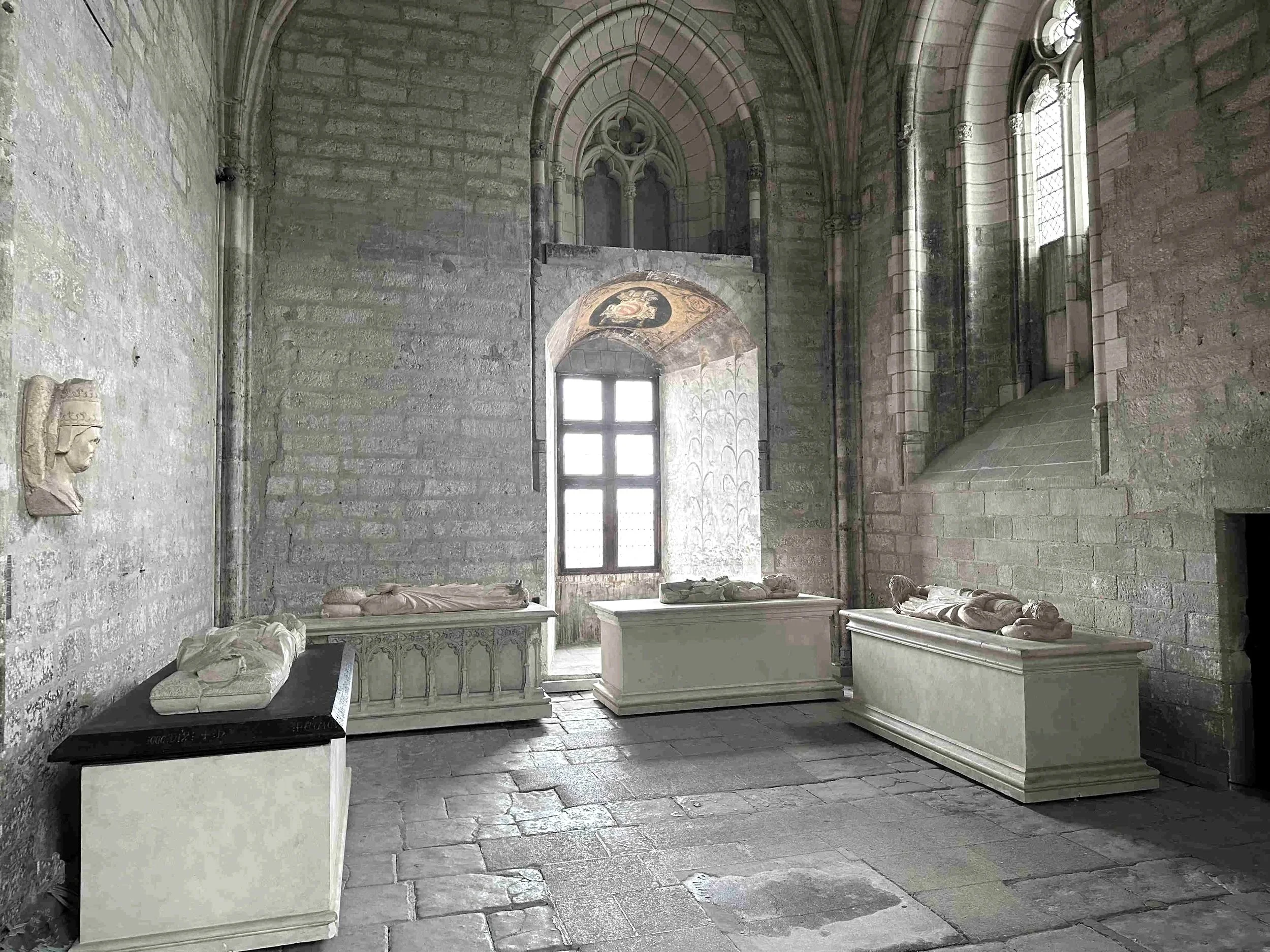
61 - And deep in the bowels of the Palace, we think we found the final resting place of 4 of the French Popes.
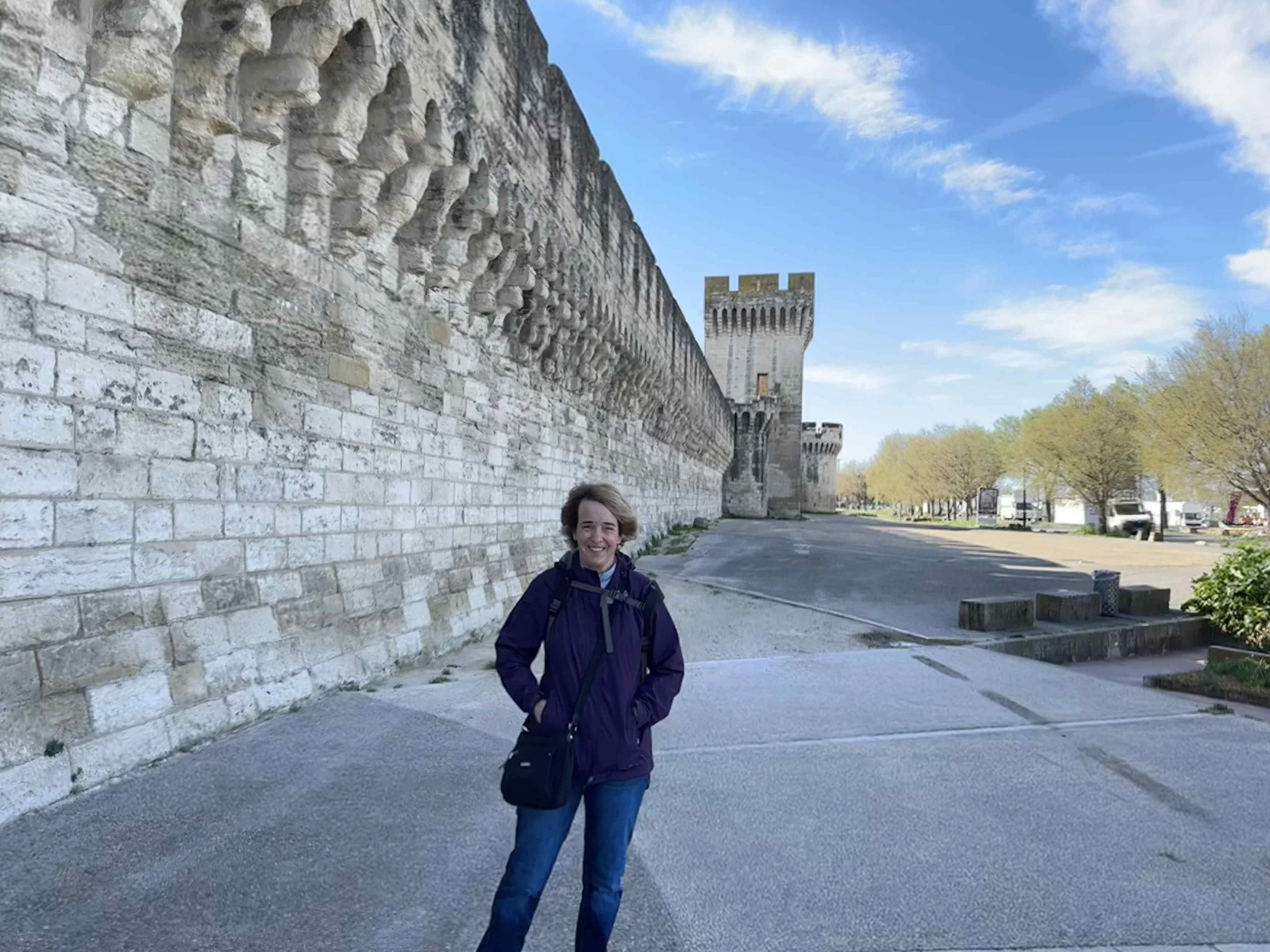
62 - We rented a car to take a trip out to the Pont du Gard, an ancient Roman aqueduct. We had to walk a couple miles outside of Old Town to get to the rental place, so we had a great view of the city wall.
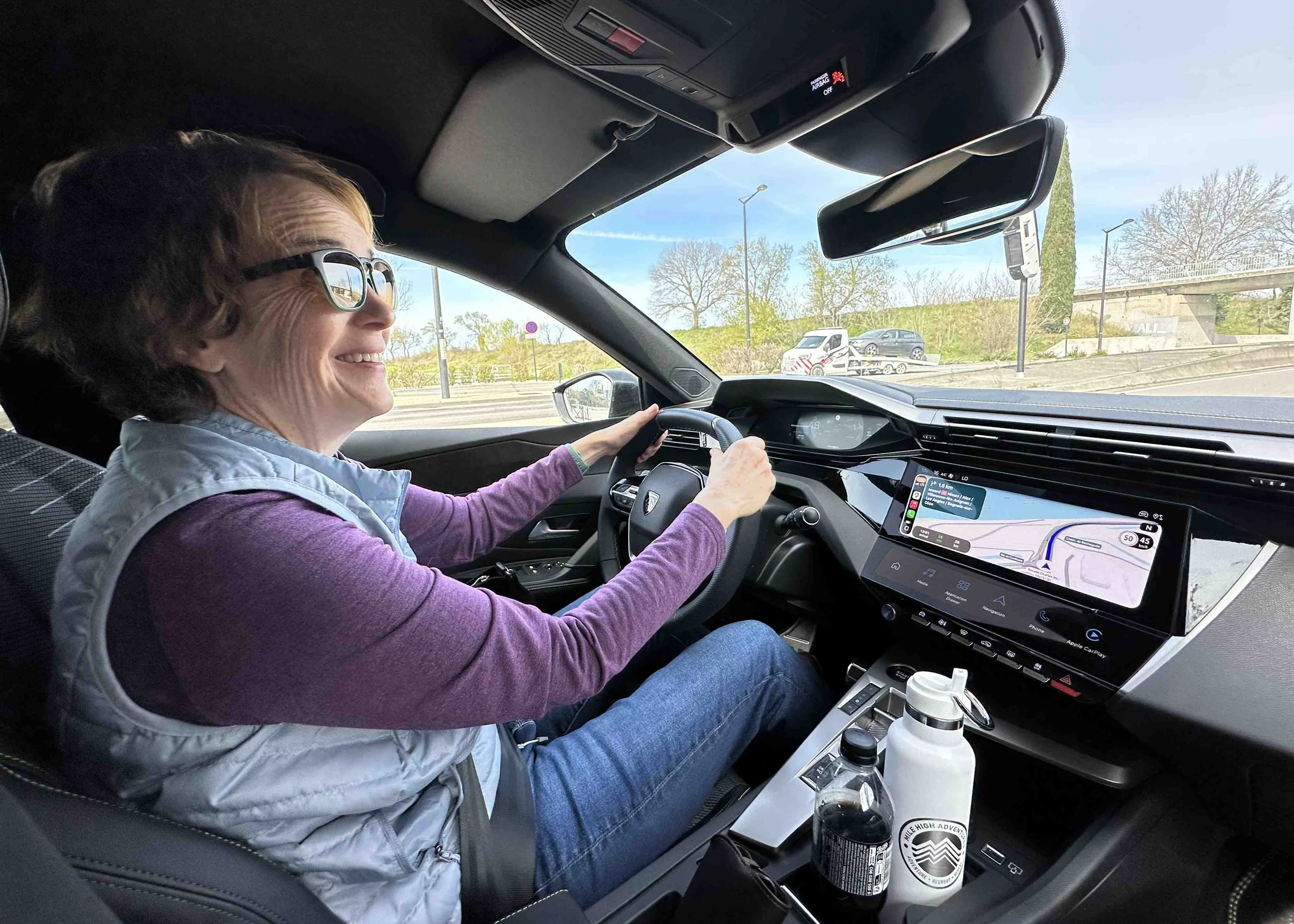
63 - Julie's eager to hit the road in our Peugeot 308.
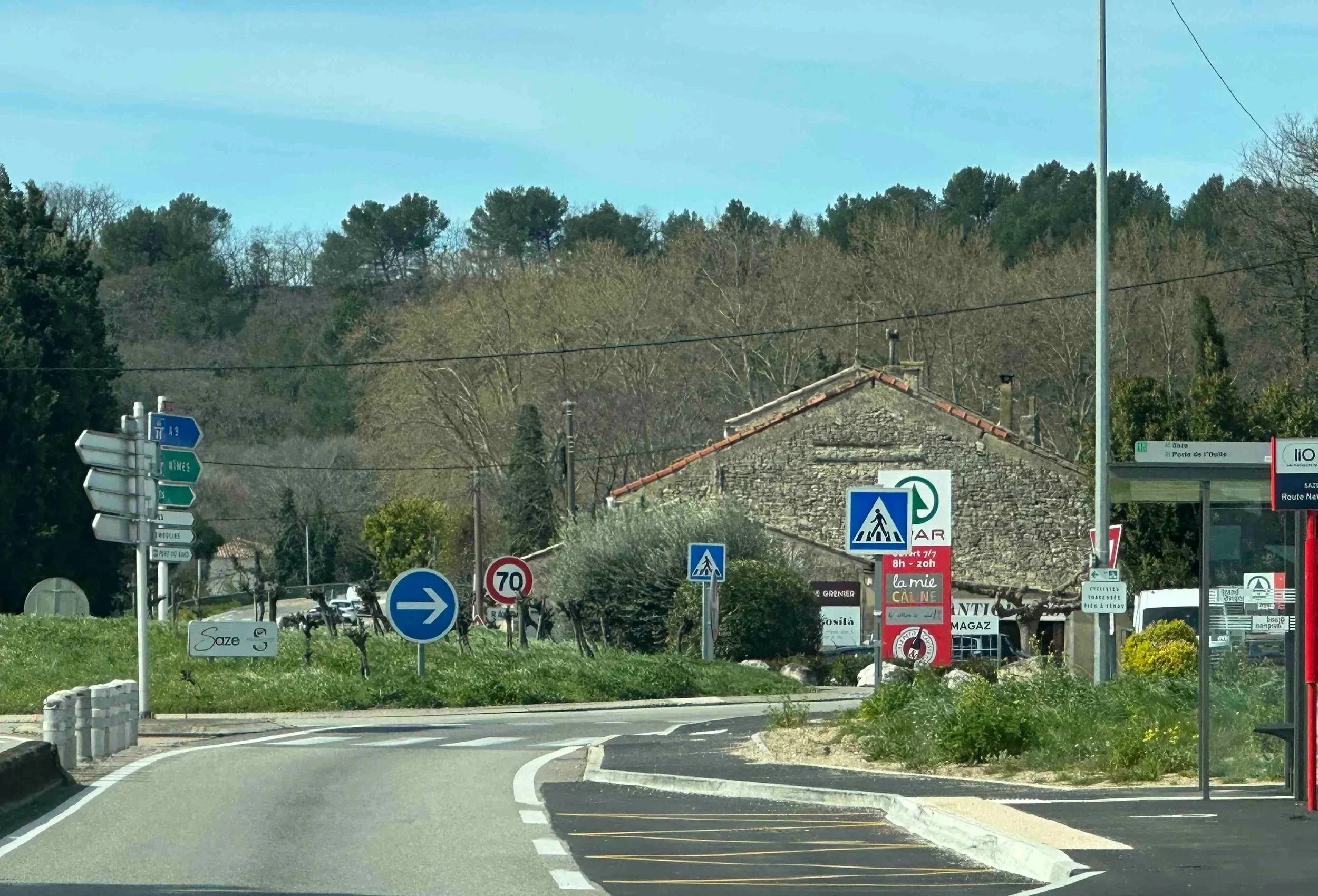
64 - Driving in another country is always an experience, particularly because the signs and road layouts are often different than in the US. Here we're approaching a traffic circle, with a bus stop at its entrance!
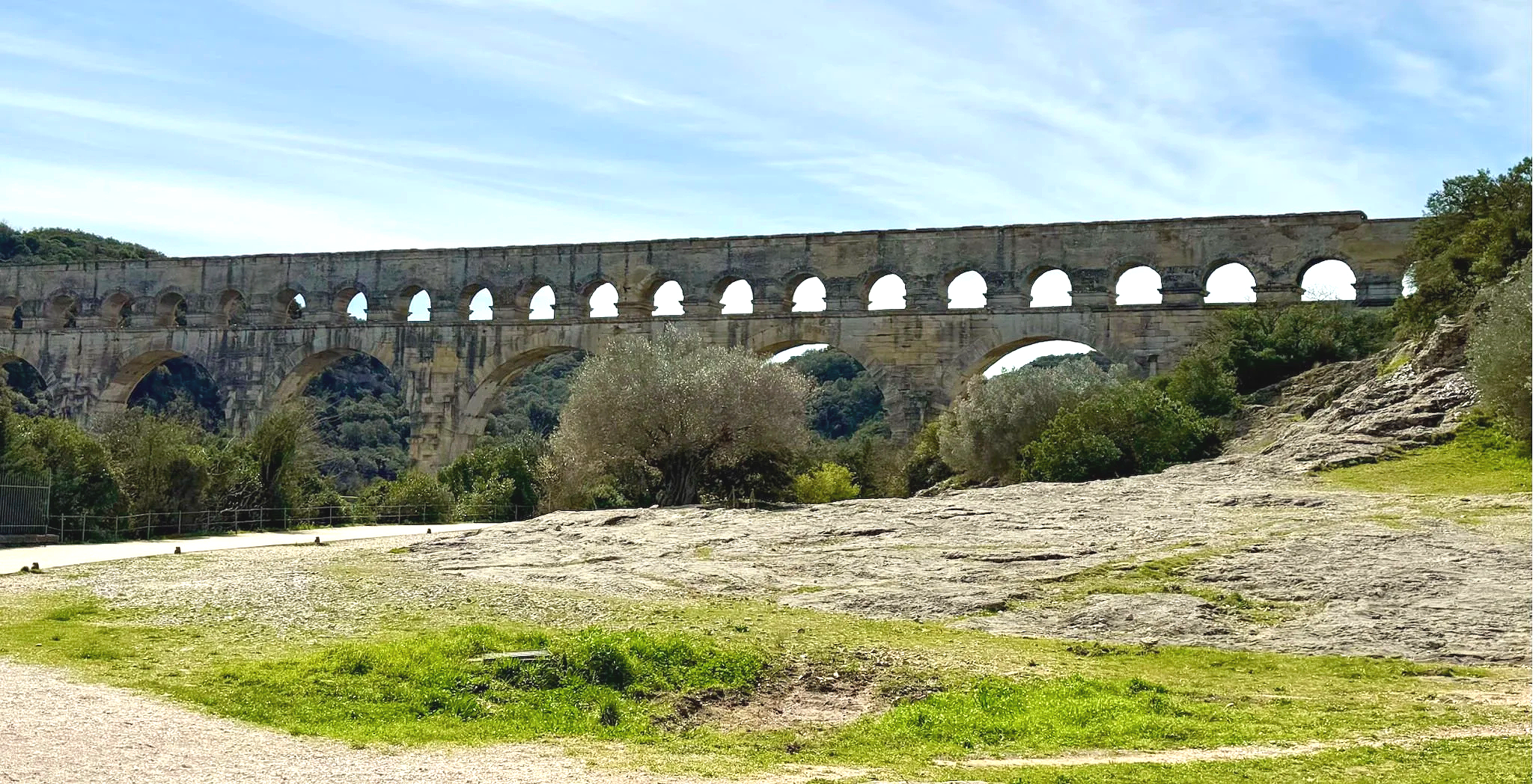
65 - The Pont du Gard is an ancient Roman aqueduct bridge built in the first century AD to carry water over 30 miles to a colony near present-day Avignon. The aqueduct formerly carried an estimated 11,000,000 US gallons of water a day to the fountains, baths and homes of the Roman colony!
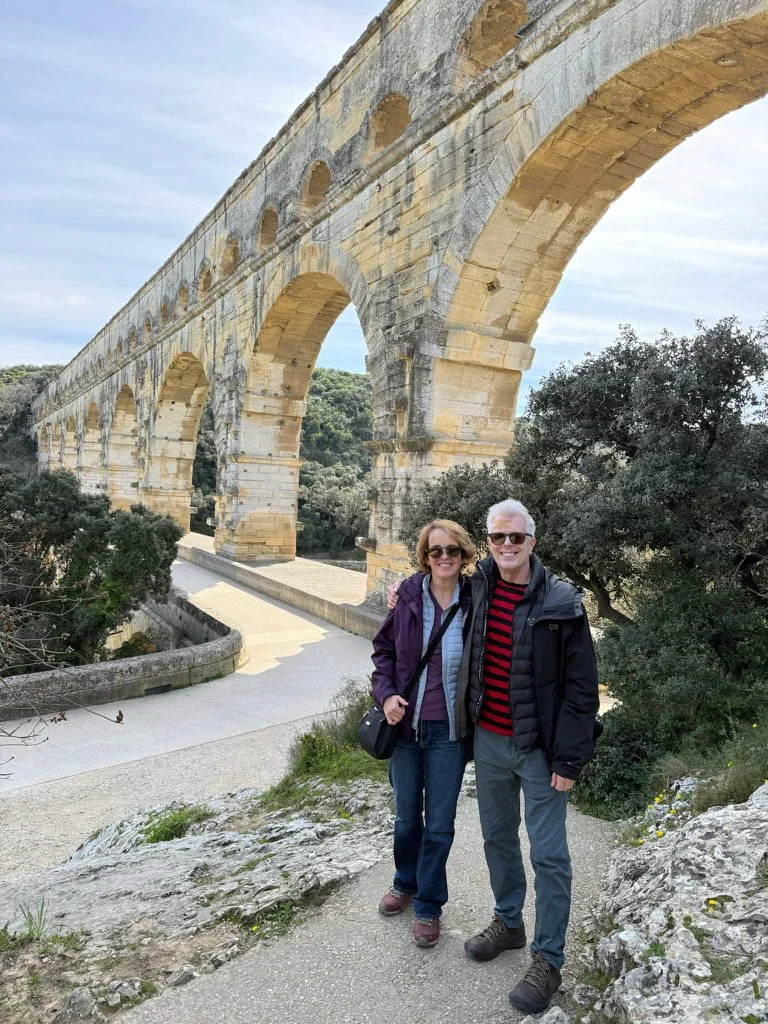
66 - A nice photo of us during a peaceful day at the site. We were practically the only people there, although daily summer attendance frequently reaches between 6,000 and 10,000 people.
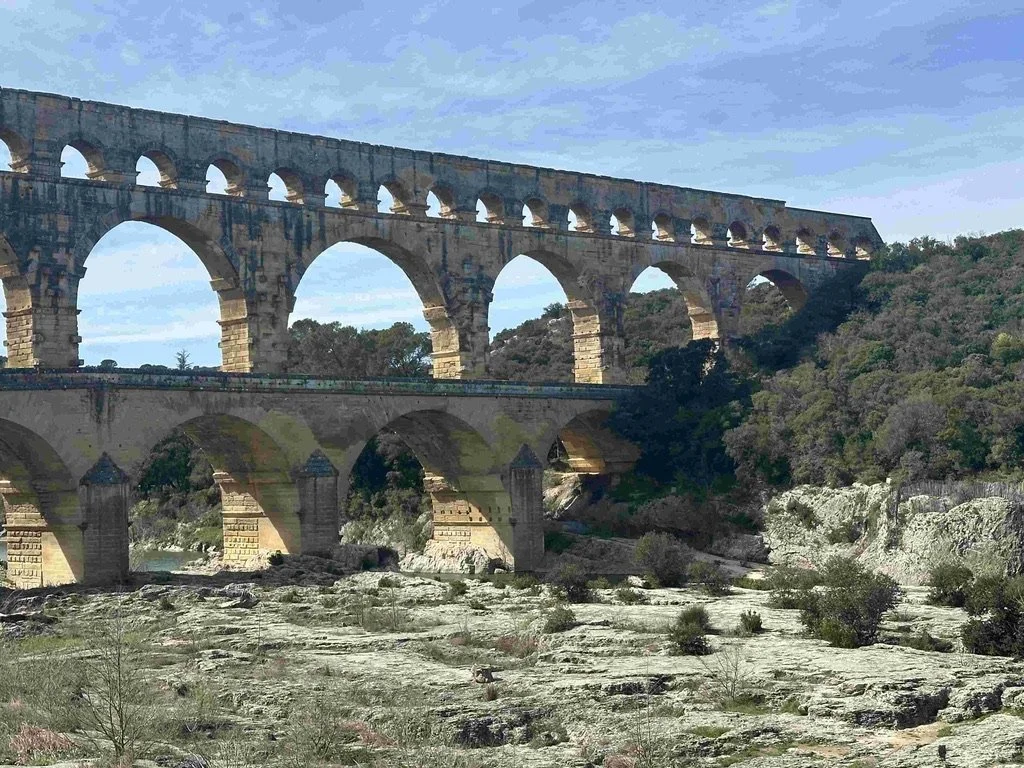
67 - It was challenging to fit the entire aqueduct in a photo. The Pont du Gard is 902 feet long at its longest point, standing as the highest Roman aqueduct bridge in the world at nearly 165 feet high.
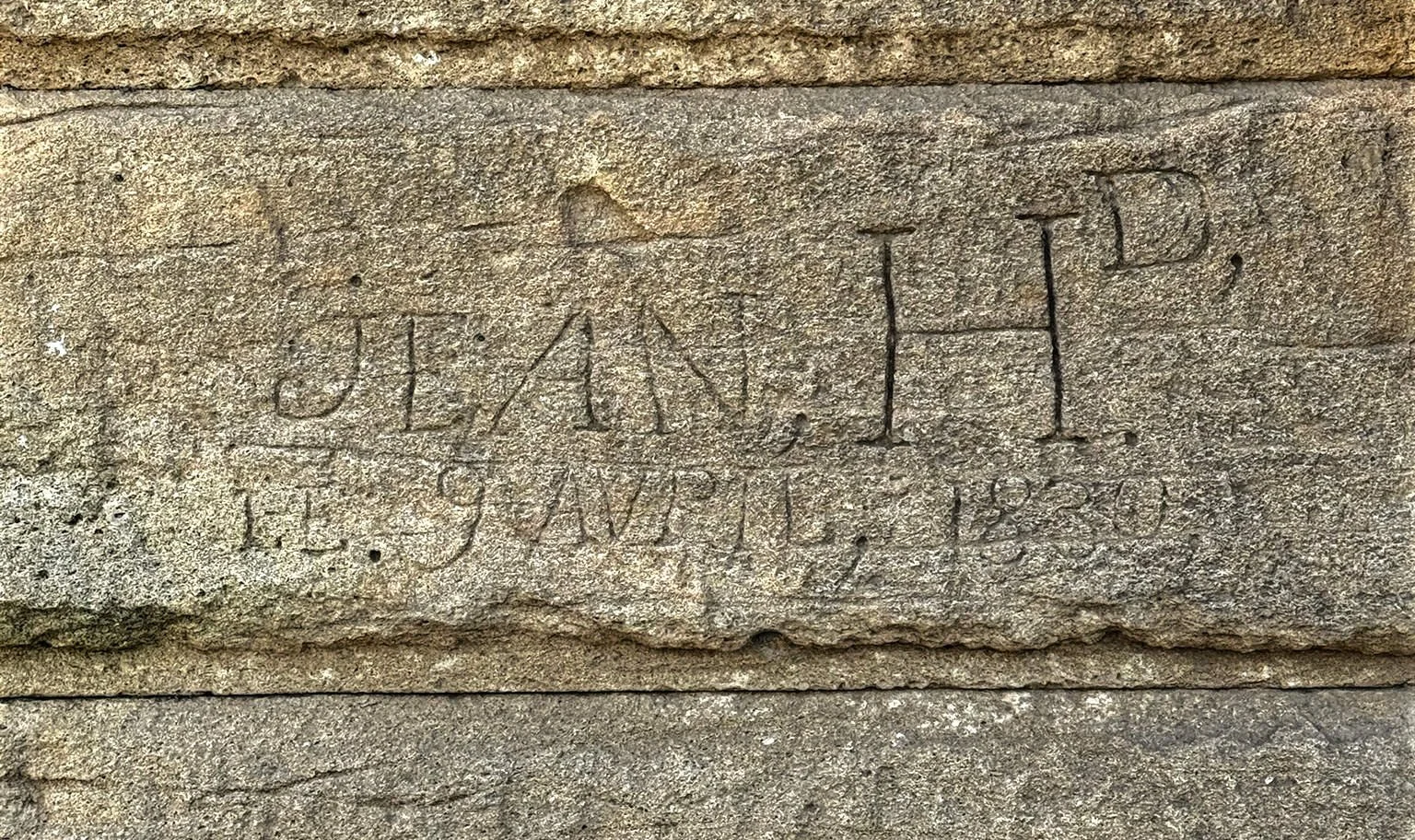
68 - Jean H.D., a name that will live in infamy, proving that people have always been vandalizing anything in sight, just because.
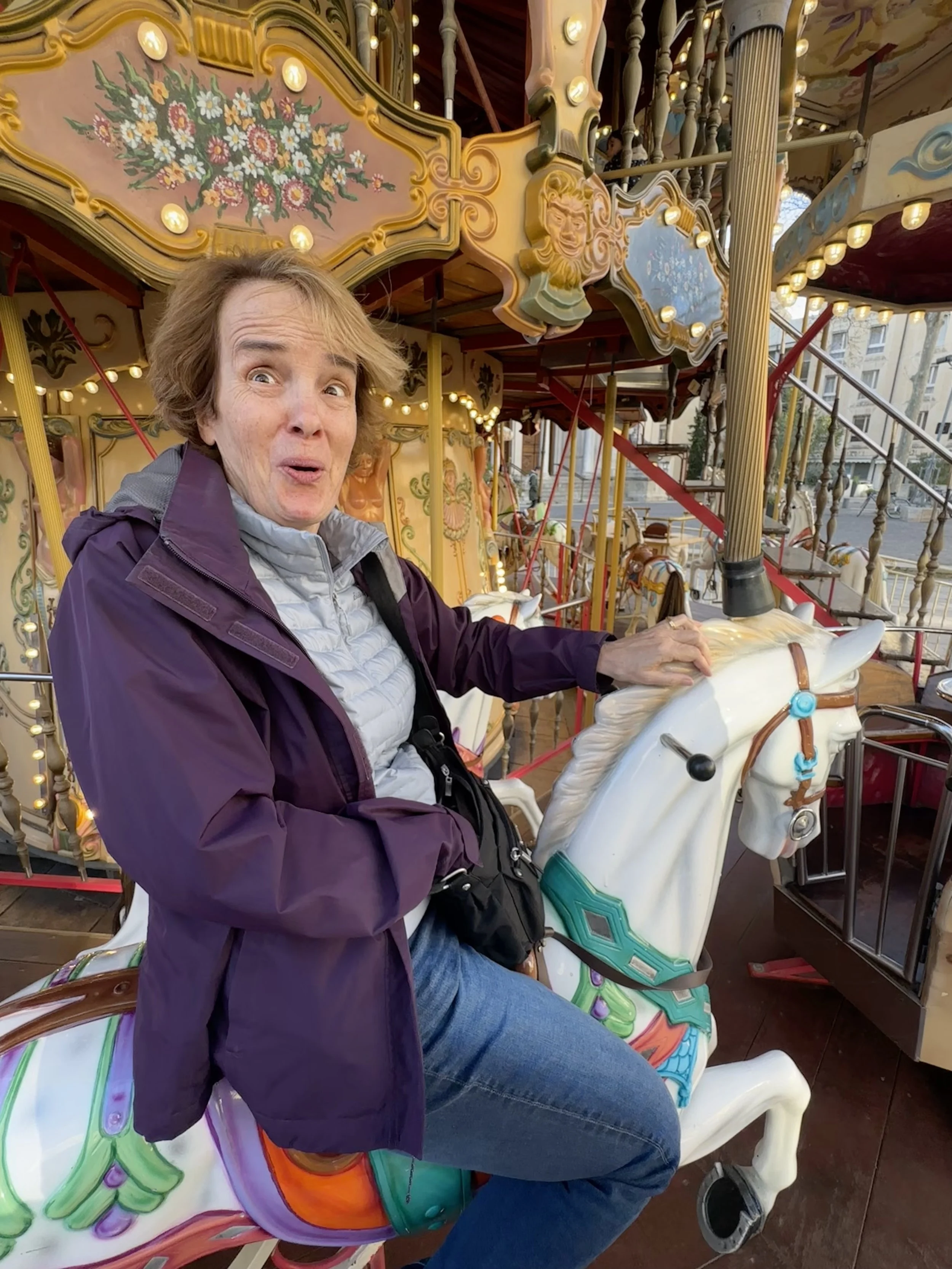
69 - Back in Avignon, at Place de l’Horloge, Julie finally gets to ride the Merry-Go-Round she'd been talking about for days.
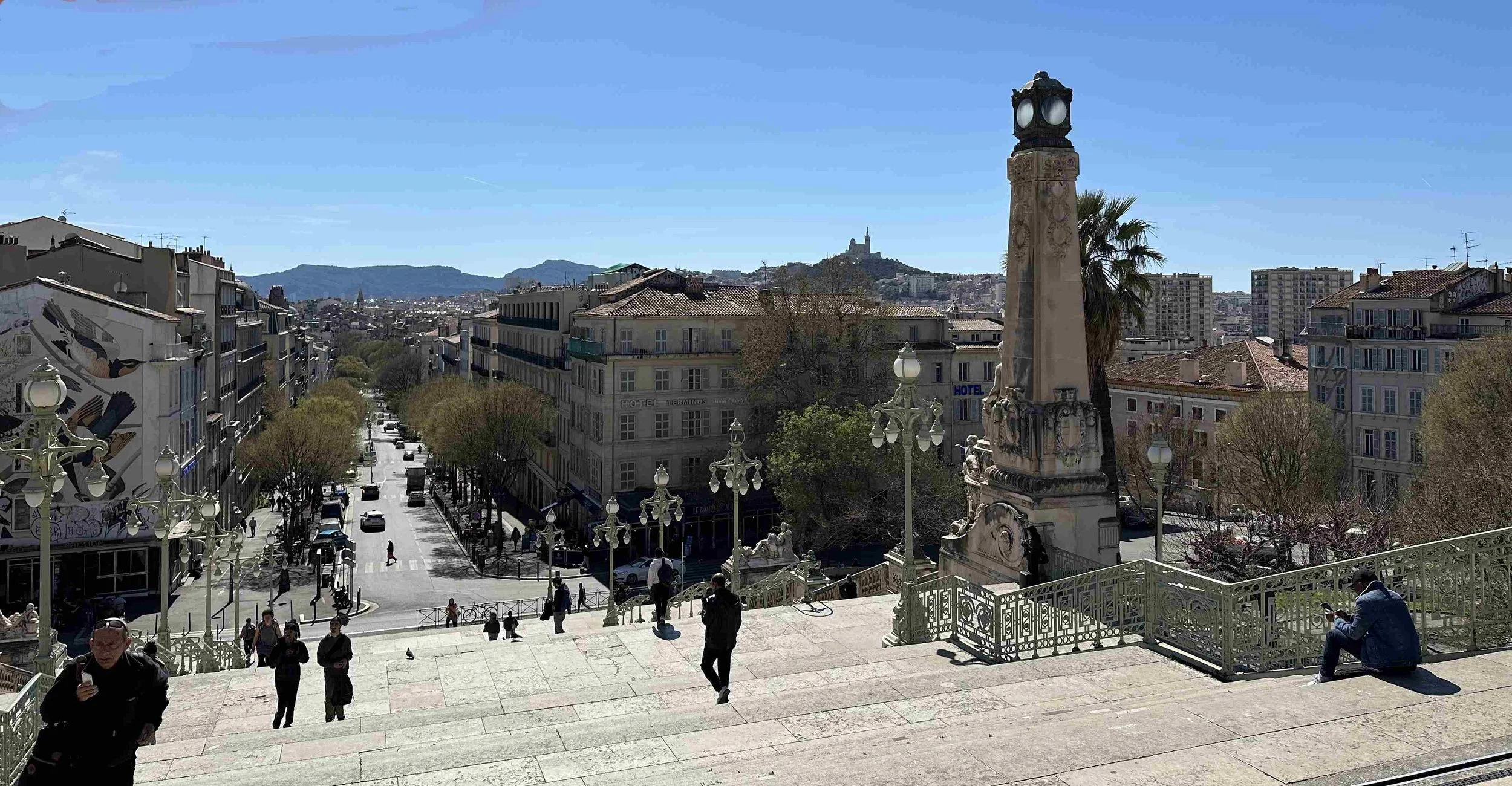
70 - We took a train from Avignon back to Marseille in order to spend a few days touring France's second largest city.
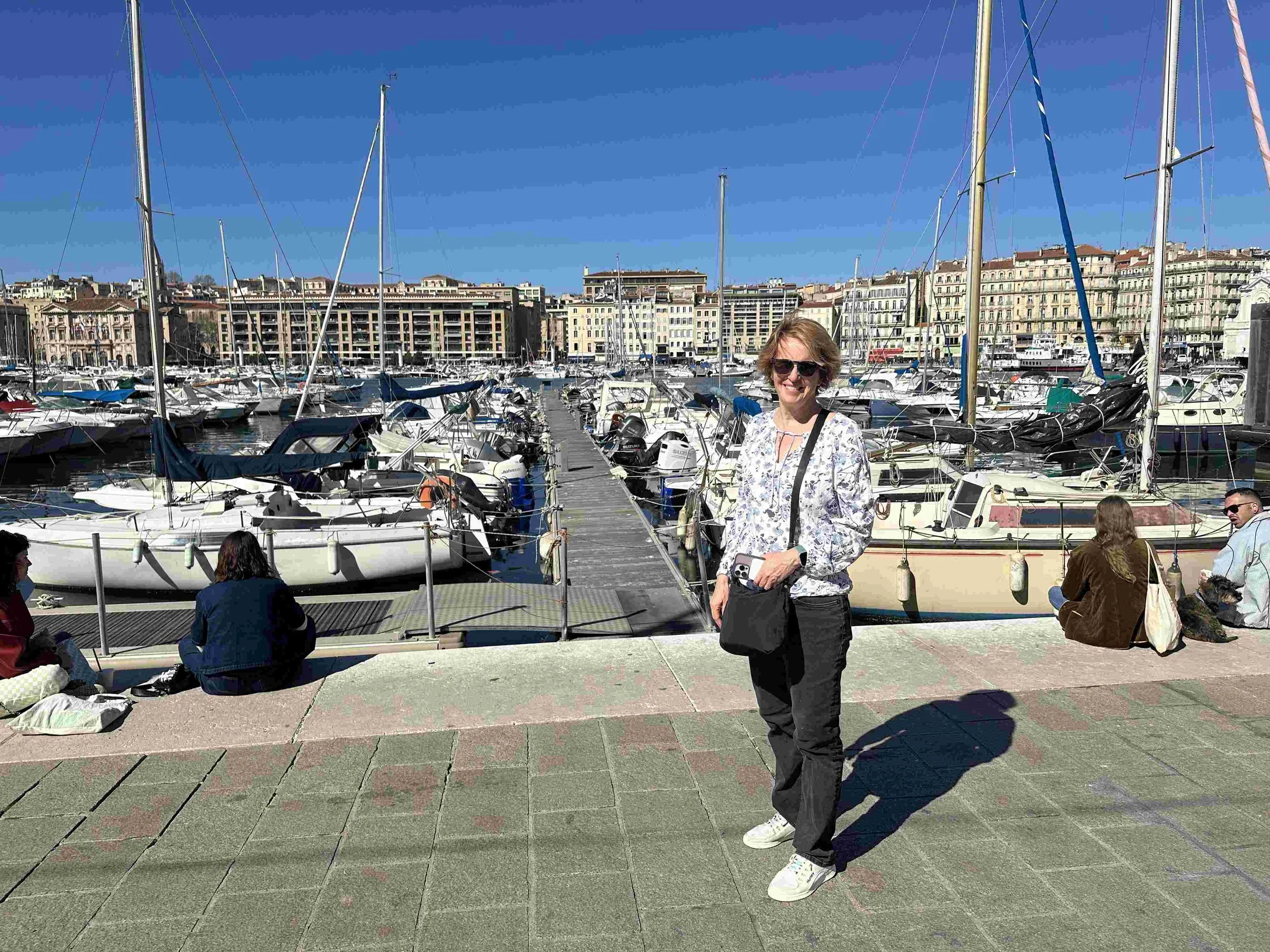
71 - Checking-out Marseille's Old Port ("Vieux-Port"). The Vieux-Port is the city's historic, social, and cultural heart, serving as a marina since its founding in the 6th century BC.
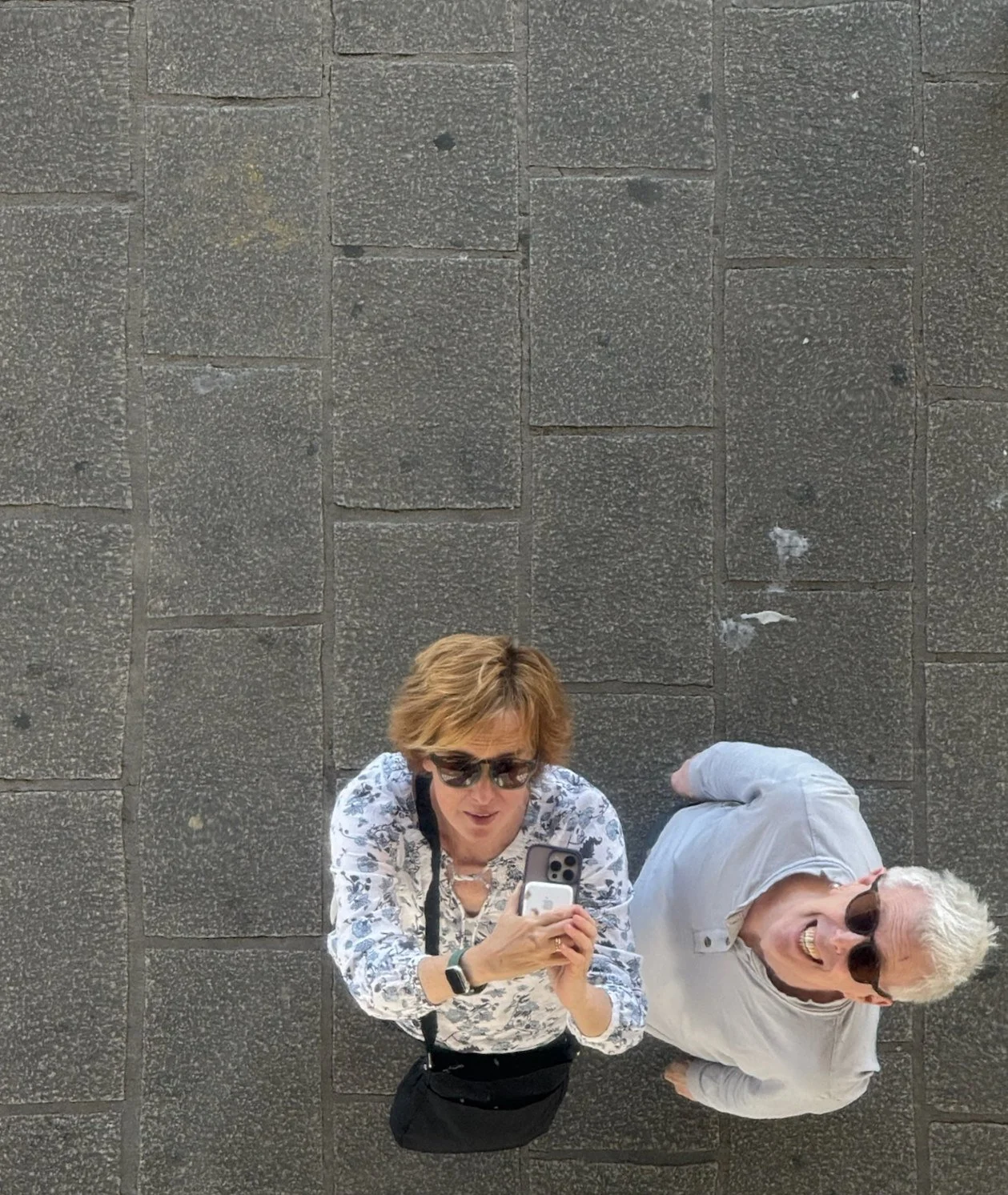
72 - There's this picnic shelter type thing at the Vieux-Port, and it has a mirrored ceiling. Need we say more.
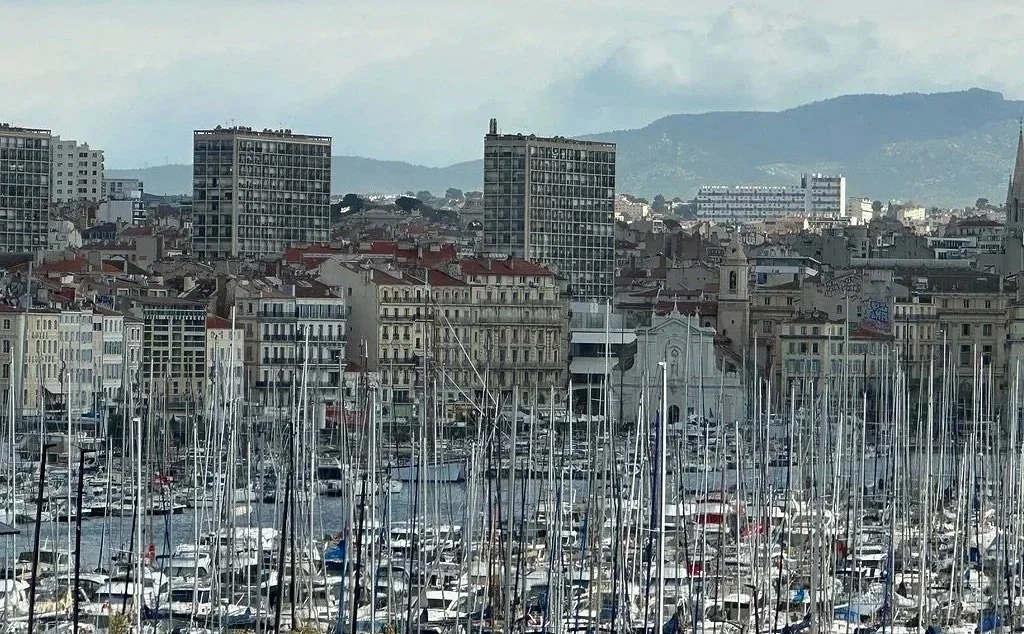
73 - A parting shot of the Vieux-Port as we make the pilgrimage to see Notre Dame de la Garde, a famous church on a big hill.
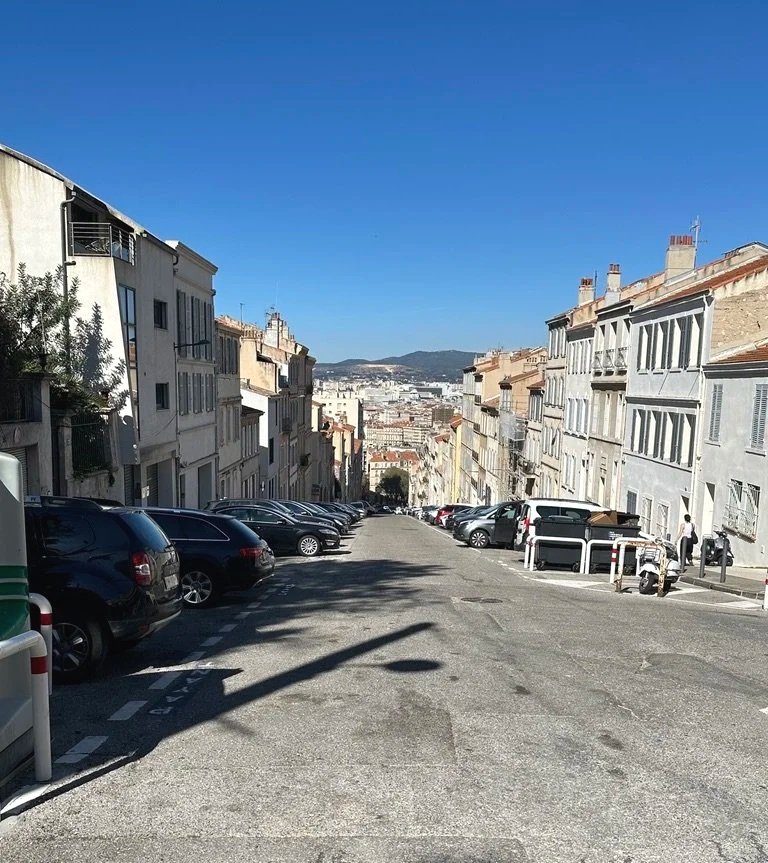
74 - The photo doesn't do it justice, but the hill was crazy steep, with an elevation gain of 711 feet to reach the church.
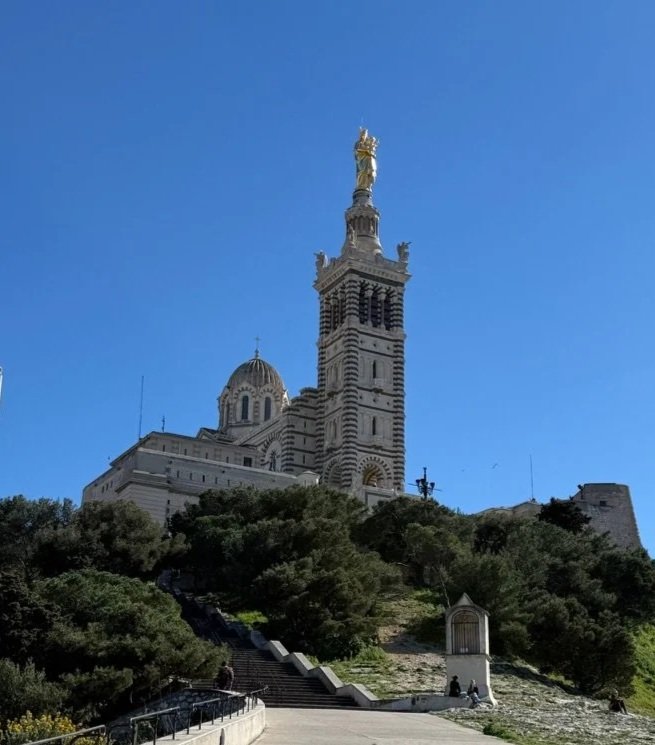
75 - Oh, sweet relief, we made it to the top! Construction of Notre-Dame de la Garde began in 1853 and lasted for over 40 years, which is about the same amount of time it took us to reach the hill's summit.
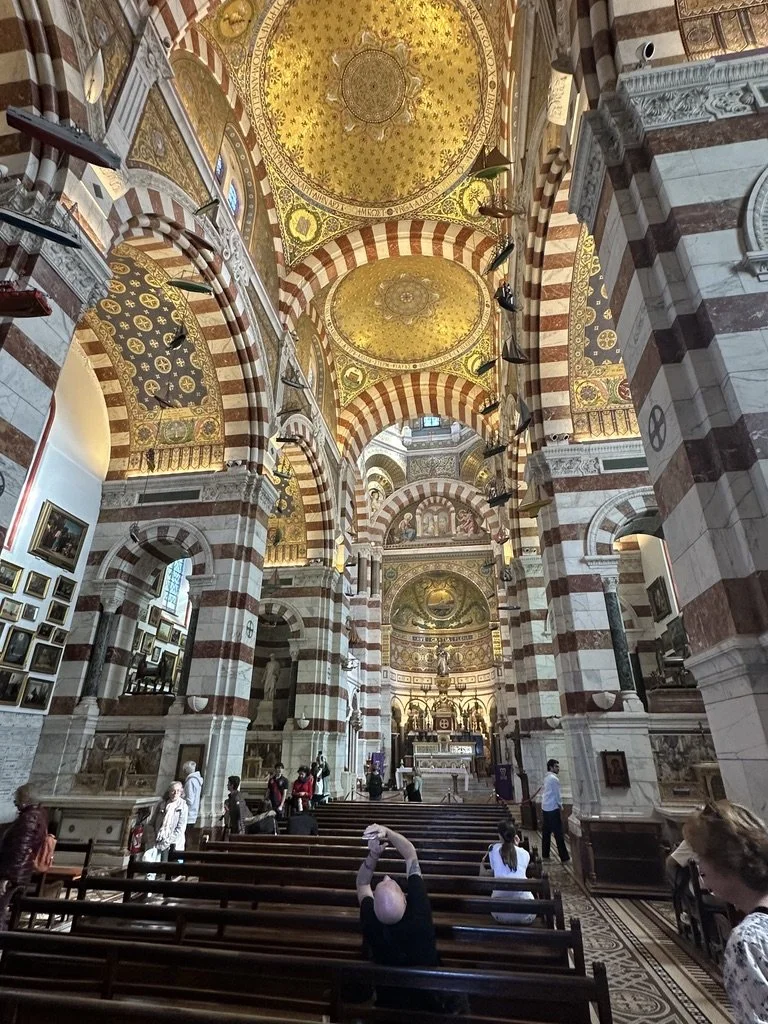
76 - The stunning interior, as well as the great views, make Notre-Dame de la Garde the most visited tourist site in Marseille.
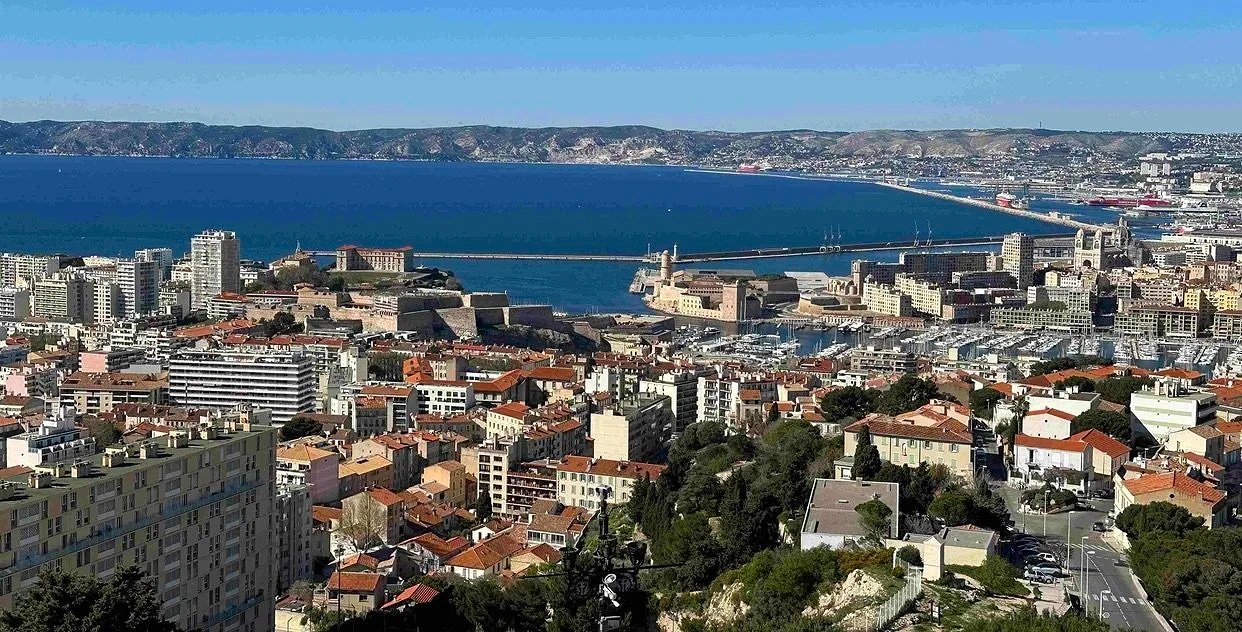
77 - This view from the church shows the Vieux-Port at the center right.
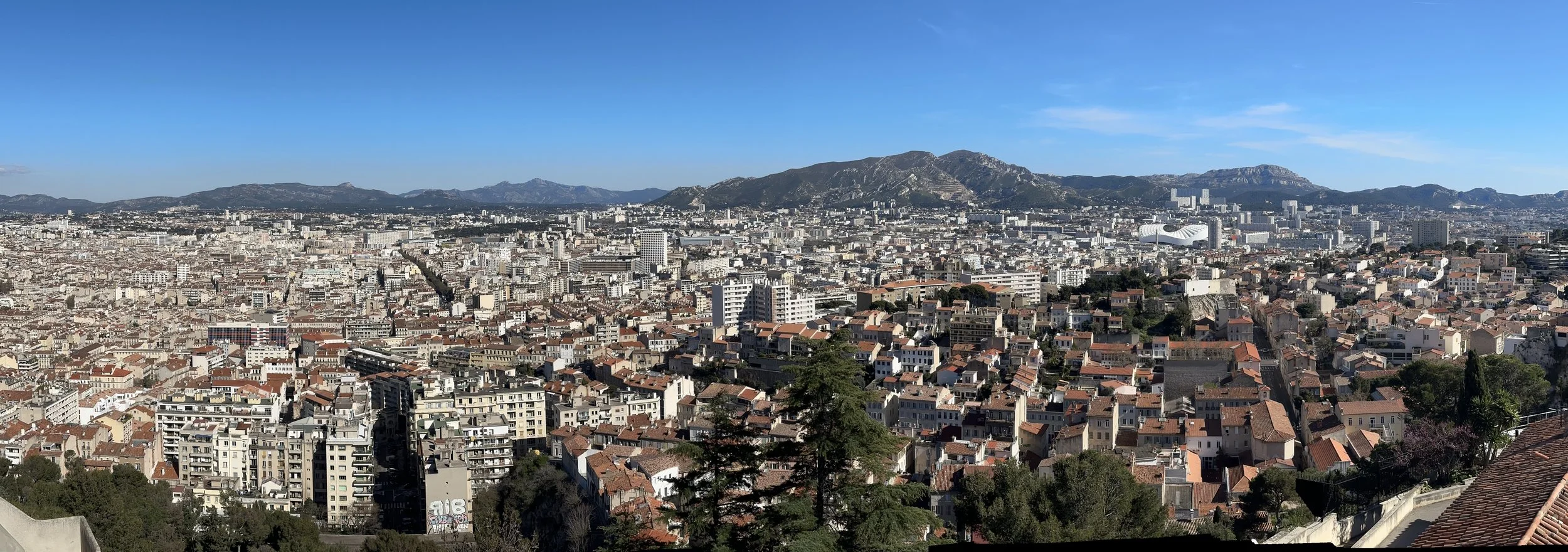
78 - A nice panorama of Marseille, showing the surrounding hills and the "Stade Vélodrome" -- the City's soccer stadium. The stadium is the large circular white structure at the right of the photo. The stadium has been home to the Olympique de Marseille (OM) football club since it opened in 1937.
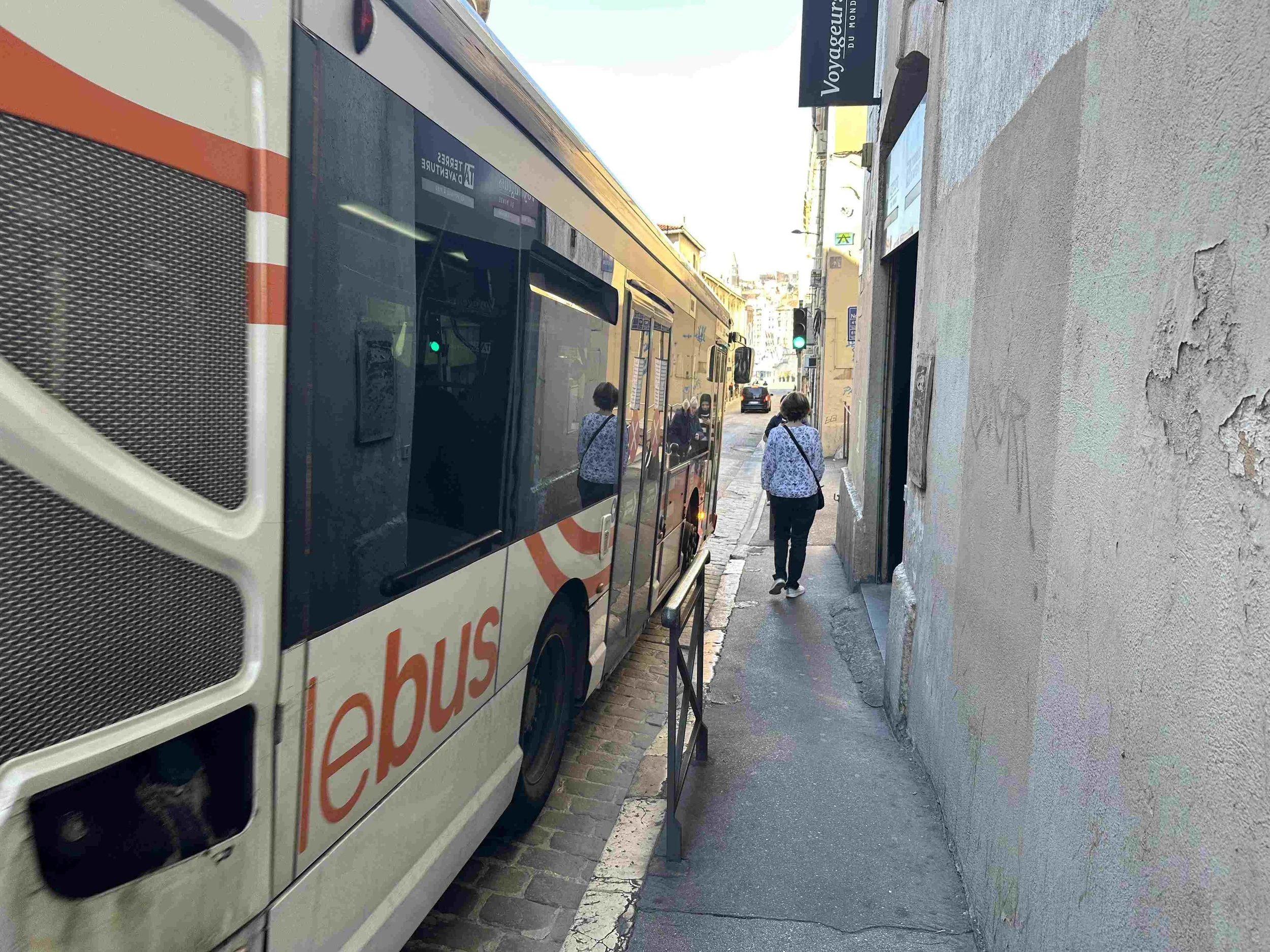
79 - On the way back to sea level, Julie demonstrates how crazy close traffic comes to pedestrians on many of the Marseille streets. People cautioned us about crime in Marseille, but we thought the real danger was the traffic.
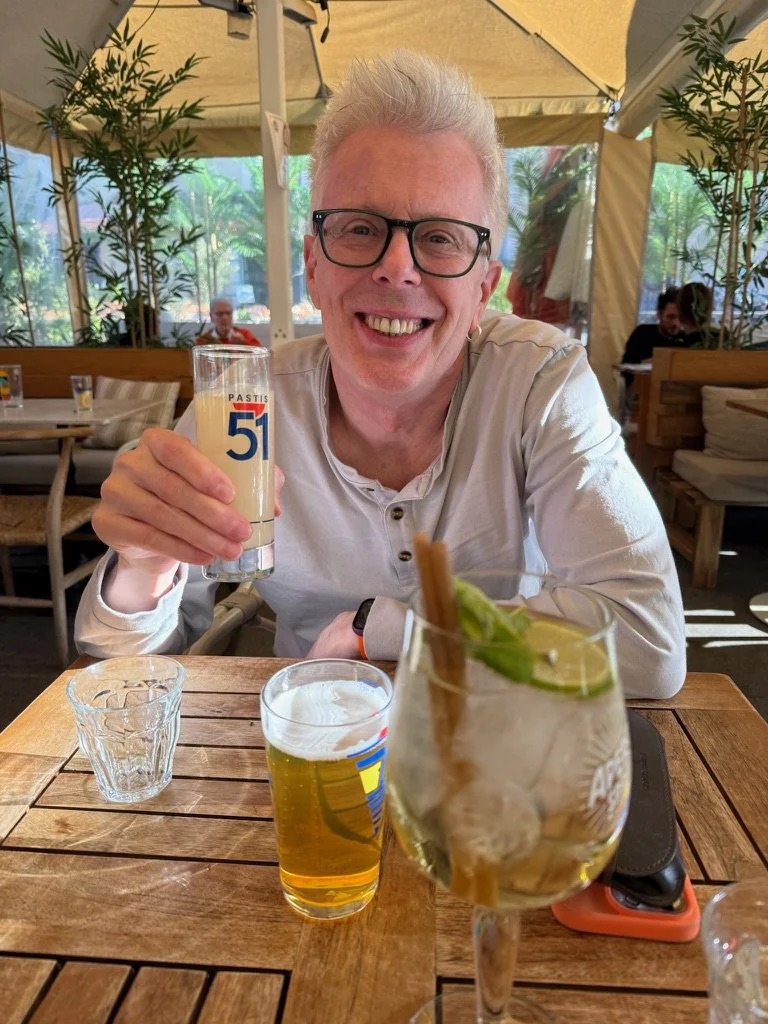
80 - Rick tried pastis after a long day of hill-climbing. Pastis is an iconic anise-flavored aperitif deeply rooted in Marseille culture. Don't let the smile fool you, Rick was not a fan of pastis, even though he loves black licorice -- this stuff is 72% alcohol!
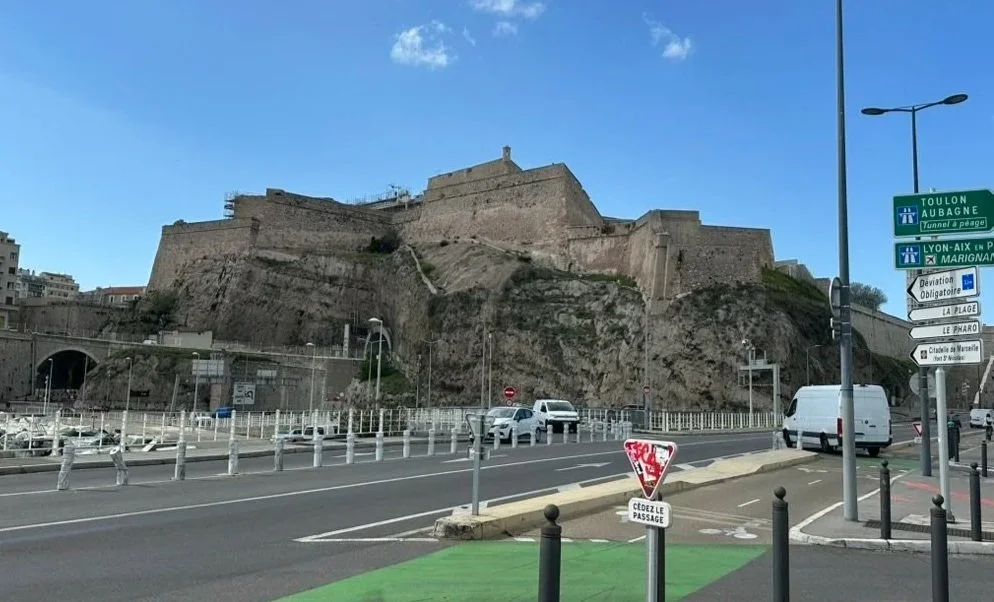
81 - Visiting the Old Fort, which guards the entrance to the Vieux-Port.
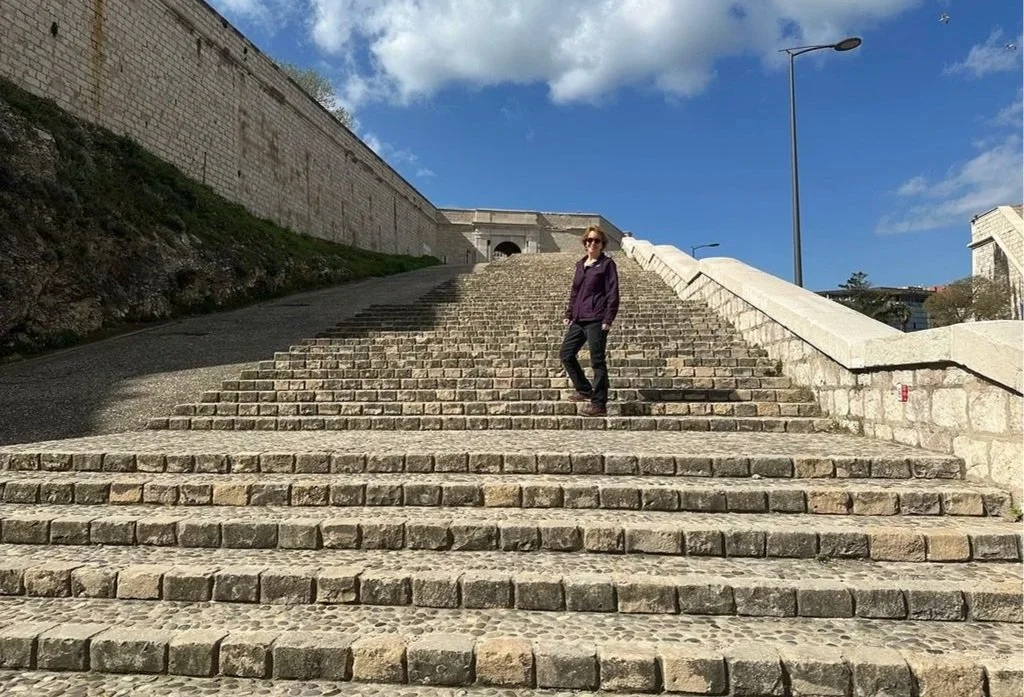
82 - But alas, the Old Fort was closed (we had a bike tour cancel last minute on us, so we were trying to find things to do at the last minute). We sure were excited to climb all those stairs to find out that it was all in vain!
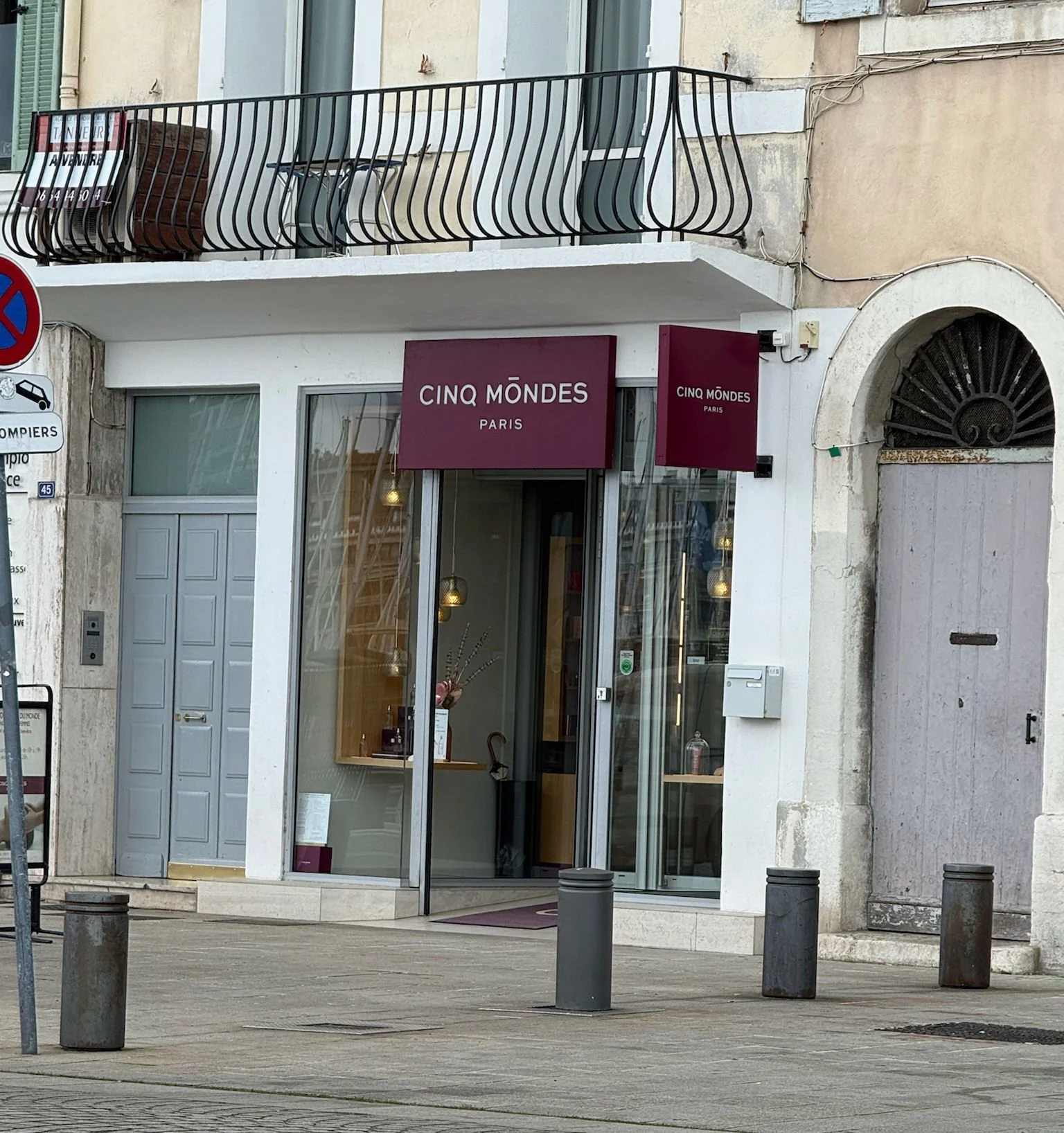
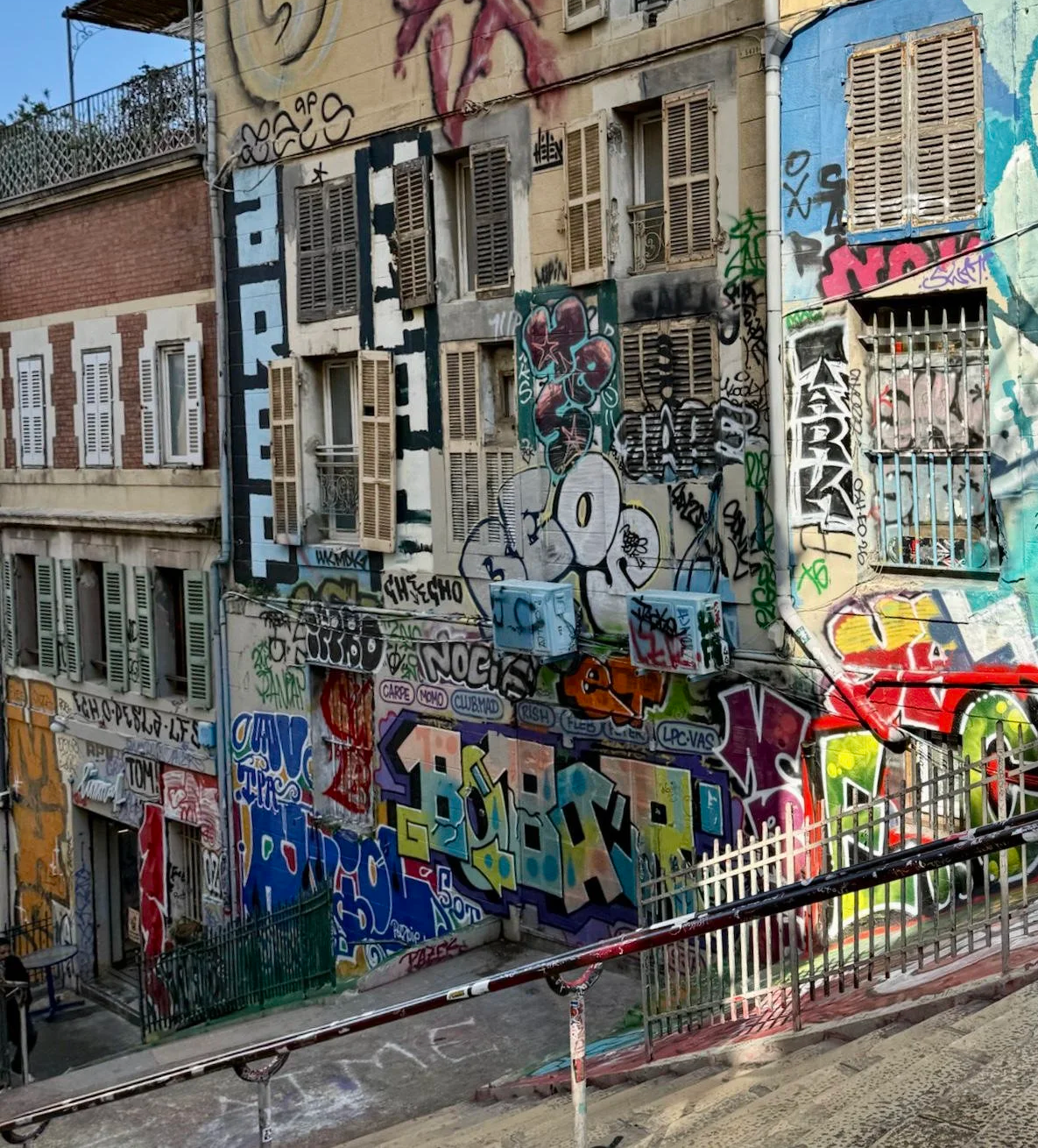
83 - Julie was able to get us massages at this place at the last minute. One of our masseuses went to a university in Denver, and babysat in the suburb where we live. It sure is a small world after all!
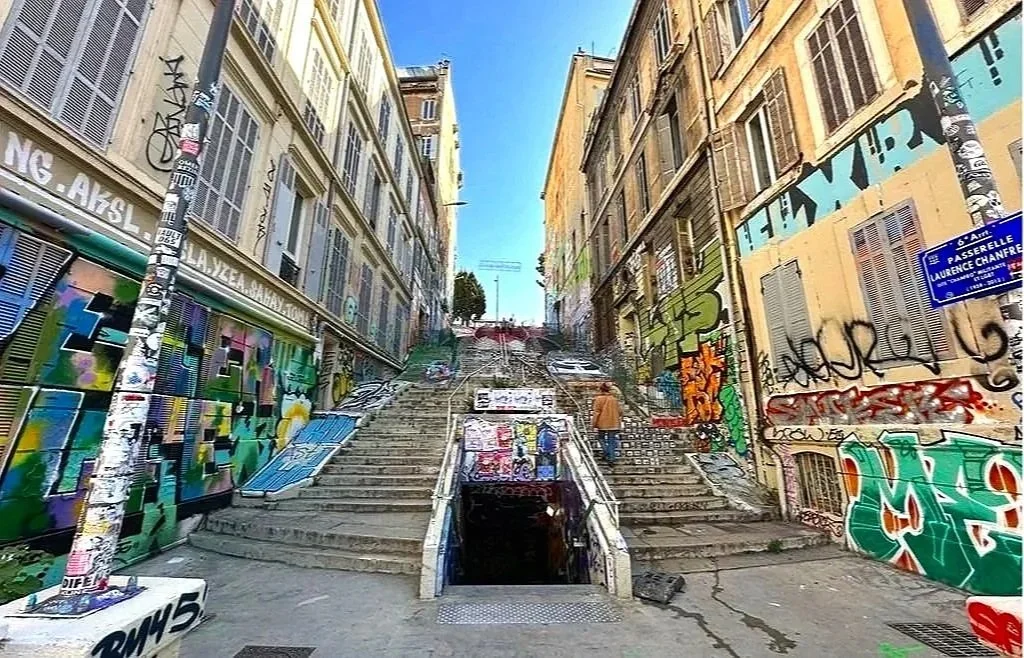
84 - Marseille has a lot of graffiti. There's also a fair amount of street art, but the graffiti tends to distract from the art. This is the Cours Julien graffiti staircase, serving as a focal point for street art in Marseille's bohemian district.
85 - A close-up of the Cours Julien staircase. All we can say is O-M-G.
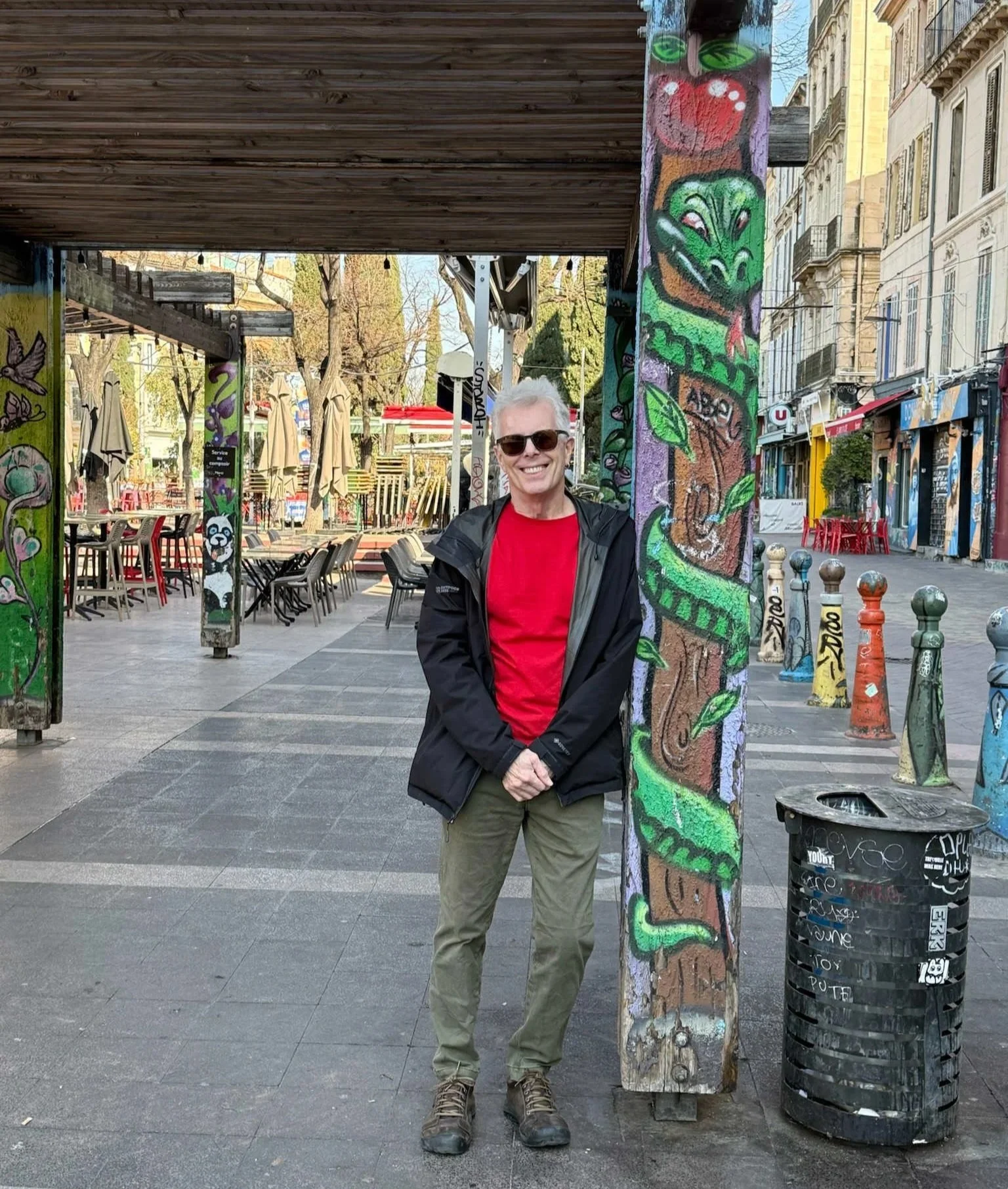
86 - Rick is tempted by the apple on Cours Julien.
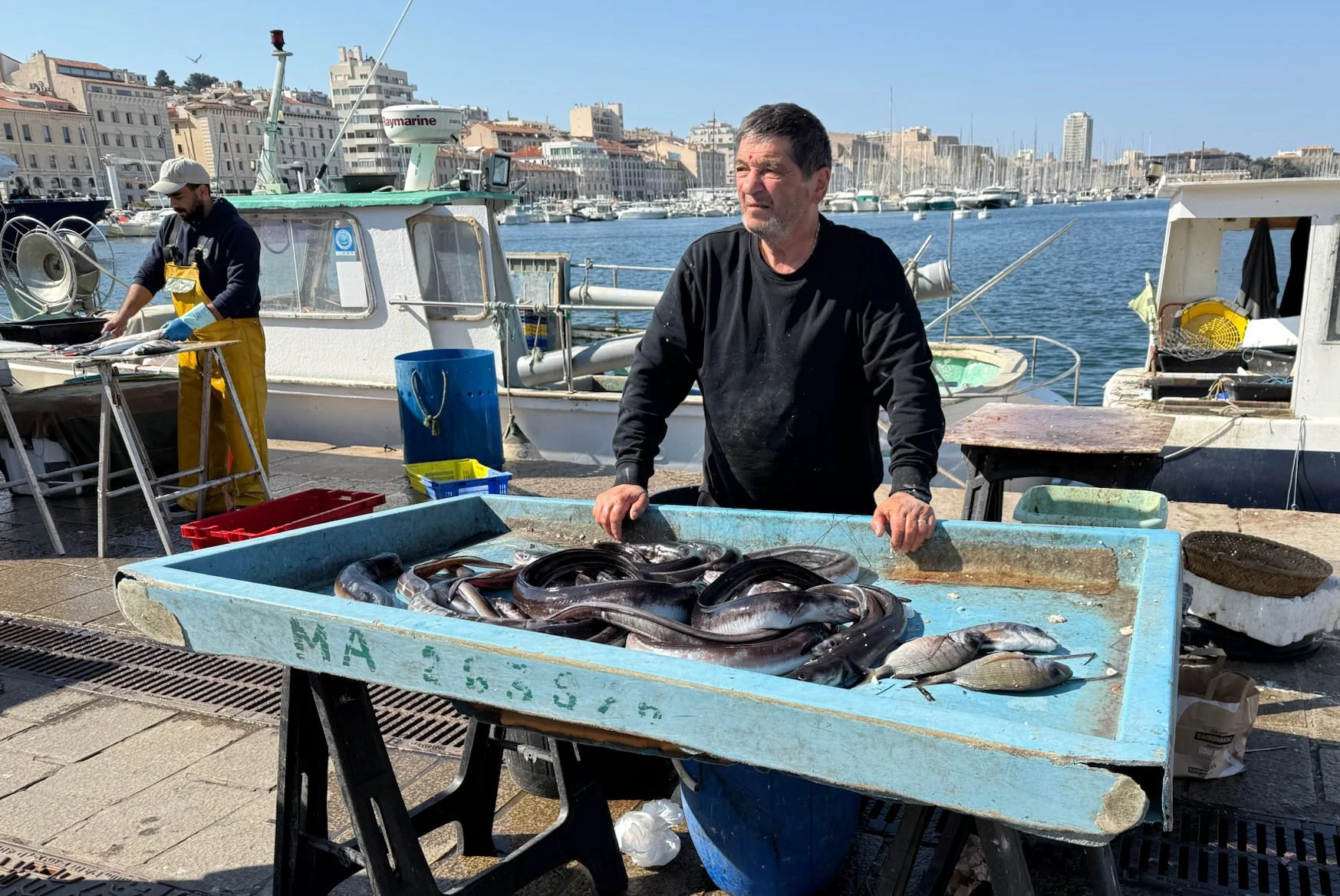
87 - We passed through the Vieux-Port, finding an eeler selling his wares. He had plenty of lookers, but no takers as we went by.
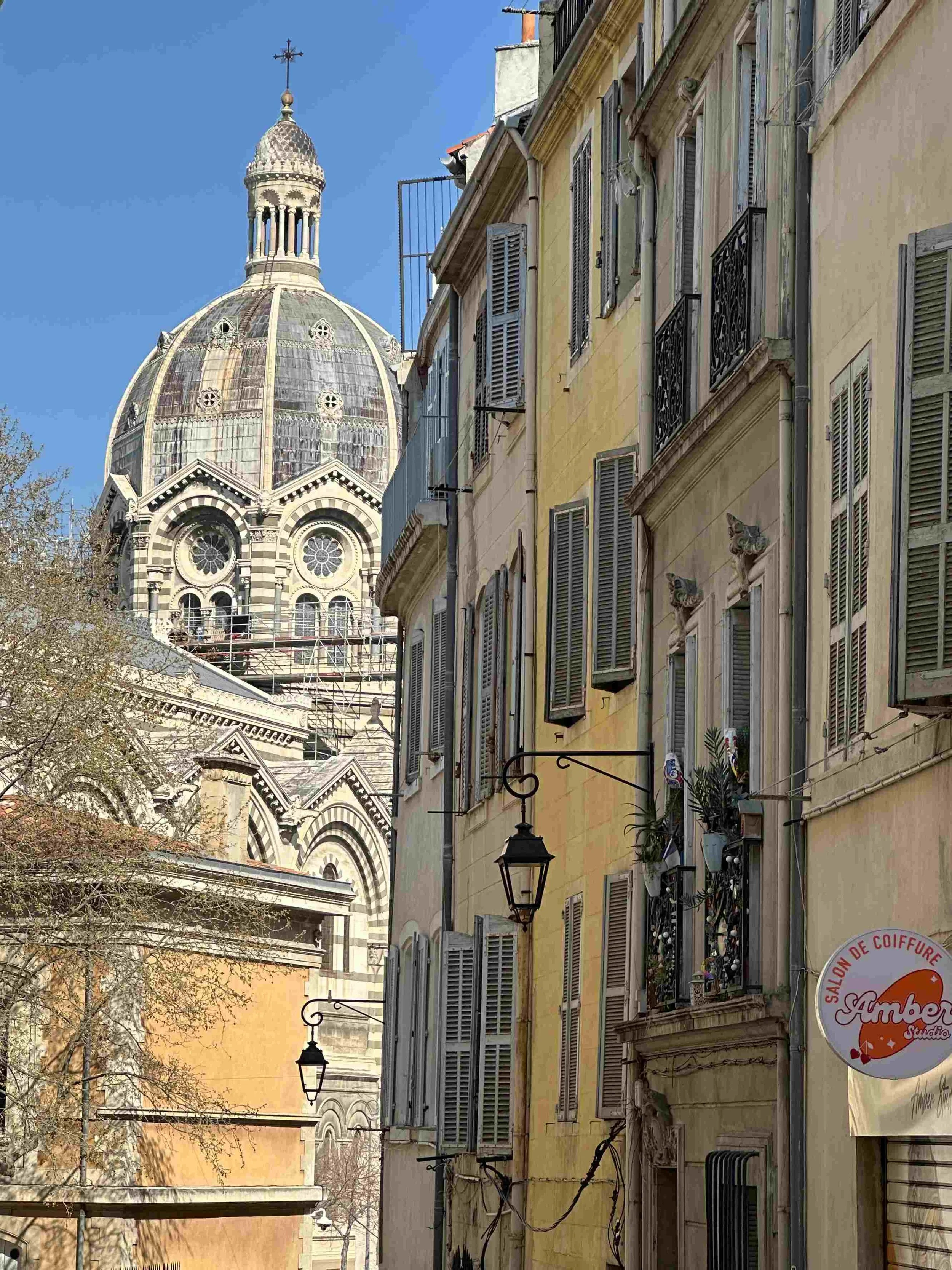
88 - A picturesque view as we approach our last church of the trip -- the Cathedral of Sainte-Marie-Majeure, known as “La Major” by the people of Marseille.
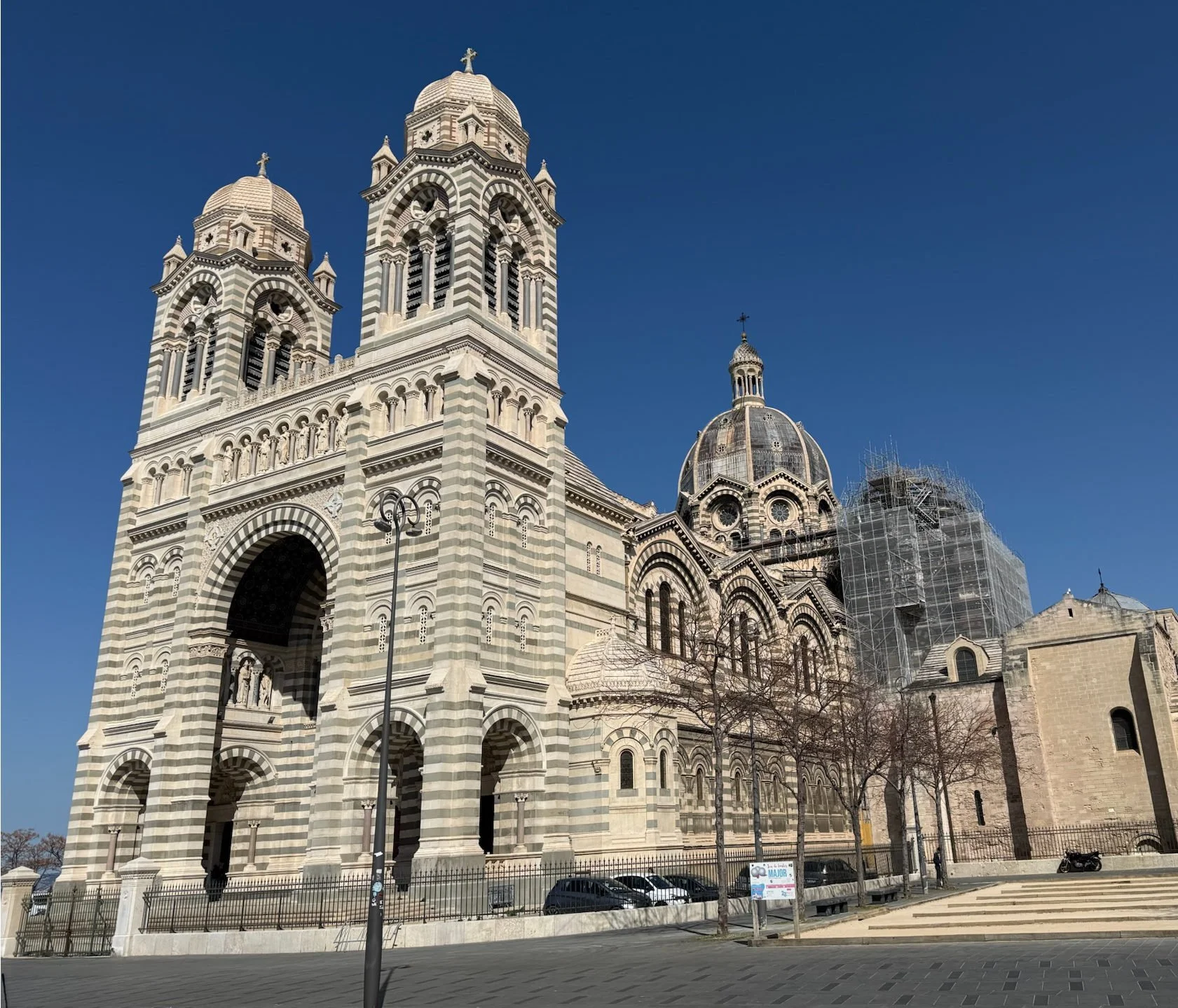
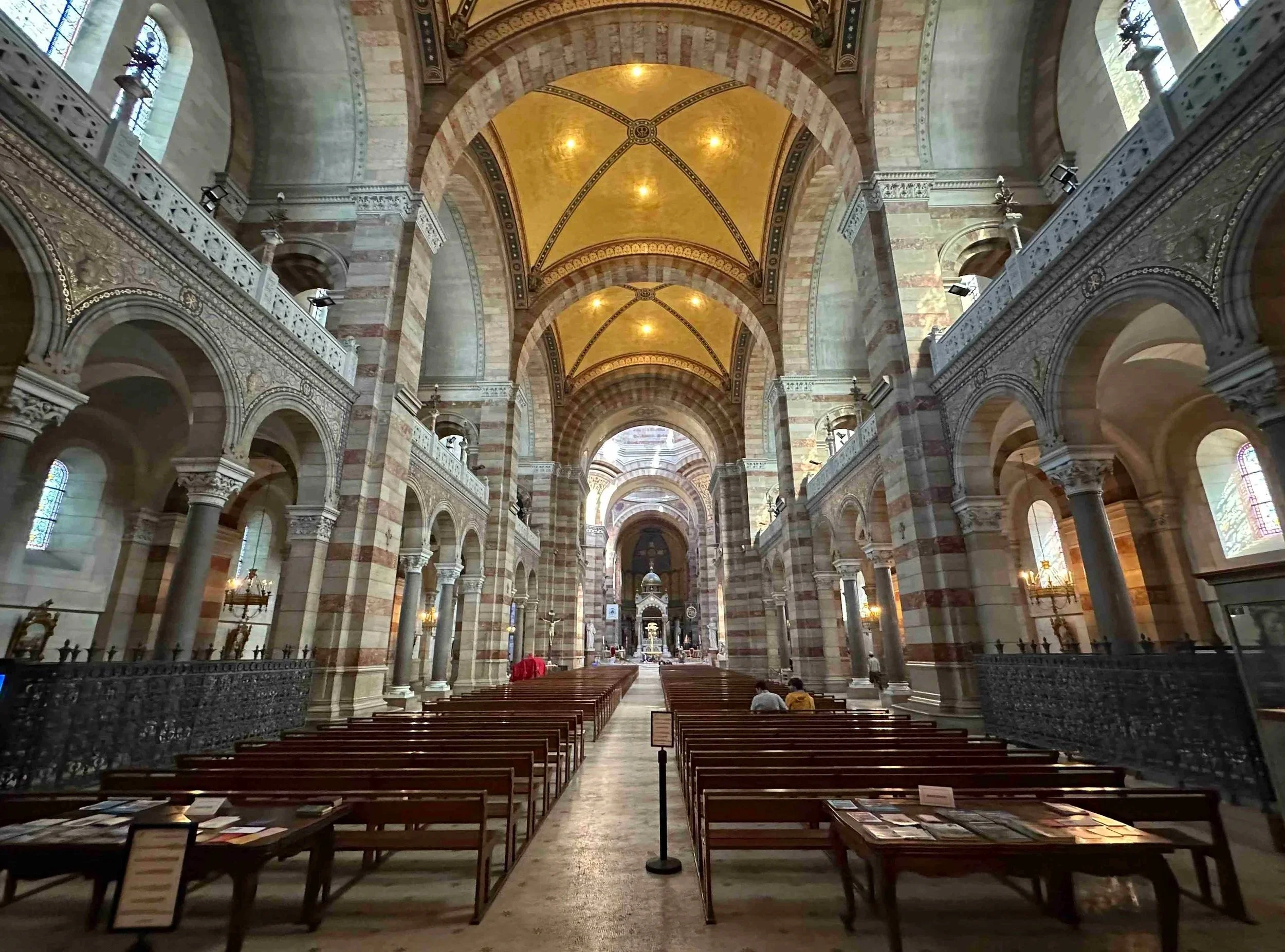
89 - La Major is the only cathedral built in France during the 19th century. No cathedral had been previously built for 200 years!
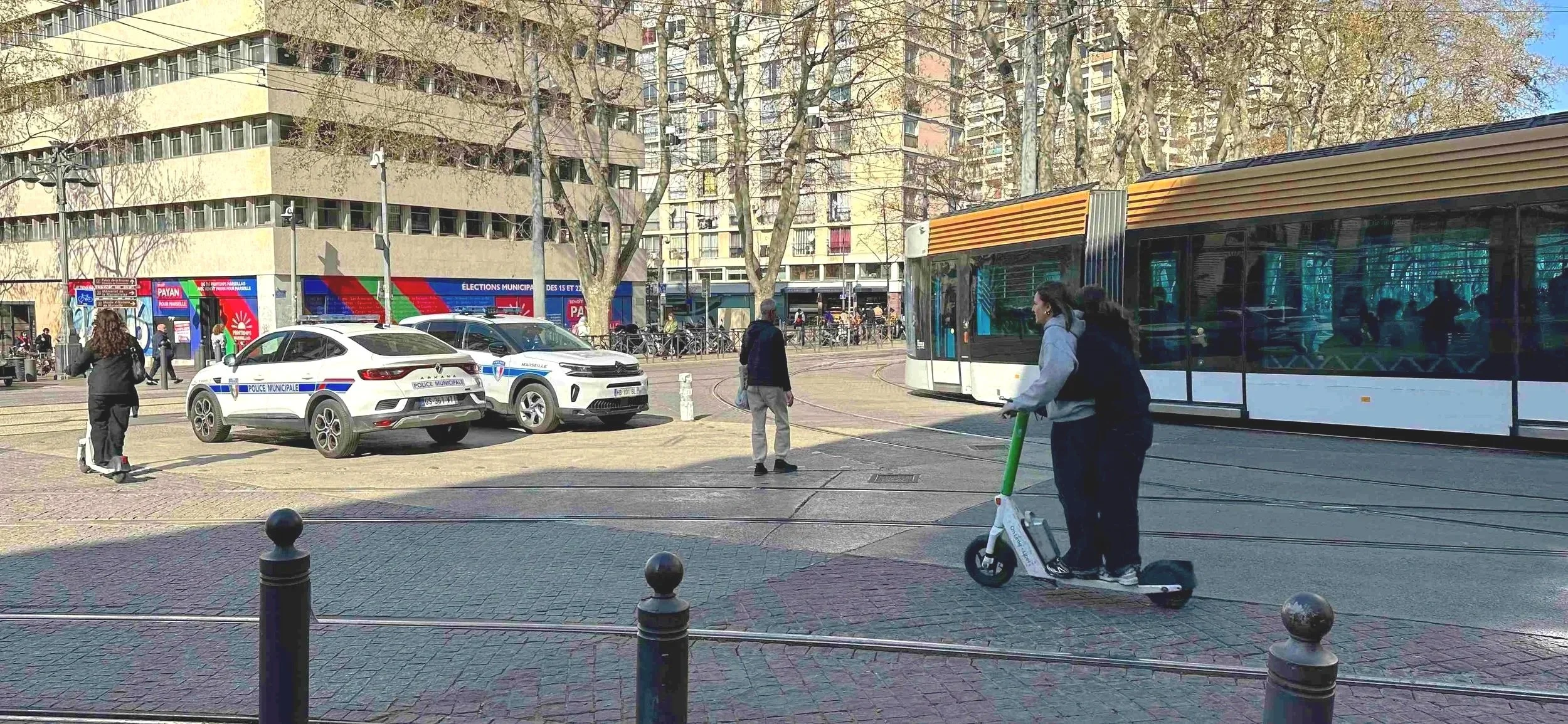
90 - Work on La Major was completed in 1893, almost 40 years after it began. It is one of the largest cathedrals built in France since the Middle Ages. Its dimensions are comparable to those of St Peter’s Basilica in Rome, allowing it to hold 3,000 people for one event.
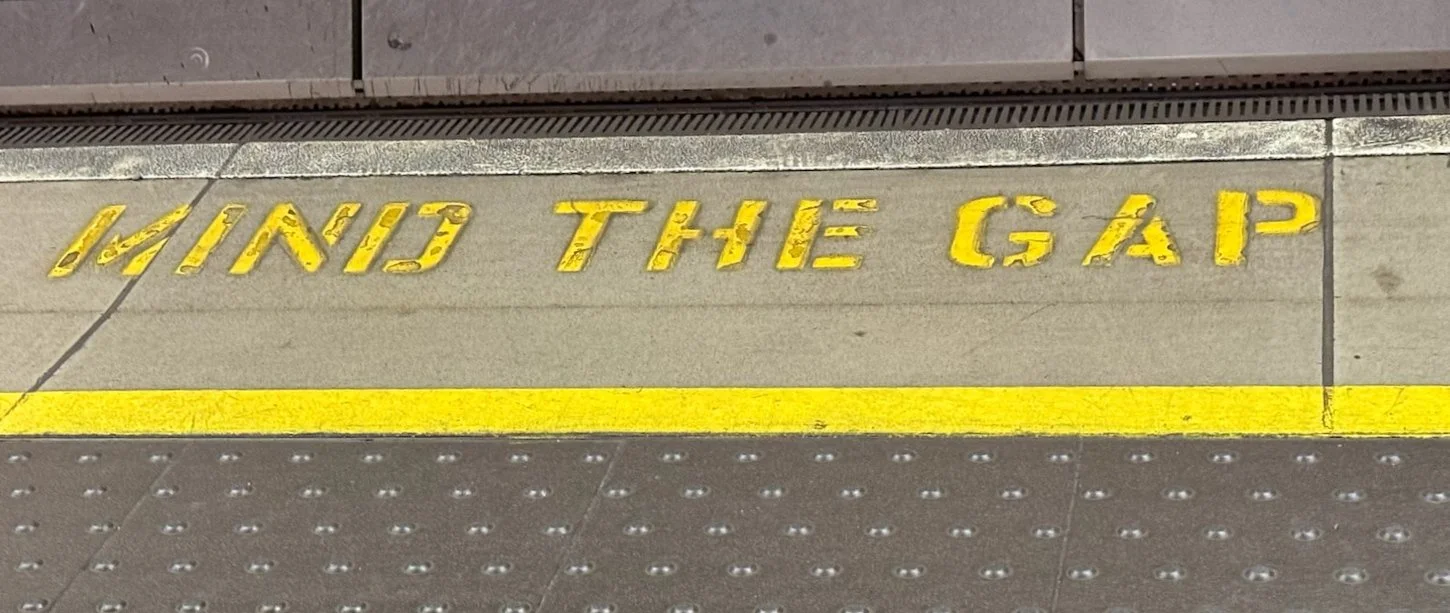
91 - Remember when we talked about the dangers of Marseille traffic earlier? This 4-way intersection is near the hotel where we stayed, and we traveled through it many times. There are no traffic signals, no signs, no crosswalks, and no lane markers. Trams, trucks, busses, cars, scooters, bikes, pedestrians, and anything else that moves all attempt to simultaneously negotiate the intersection while their lives pass before their very eyes.
92 - Show of hands -- who knows where we're at now? If you said London -- ding, ding, ding -- you are indeed a seasoned traveler! We spent the night at a London Heathrow hotel during our return to Colorado
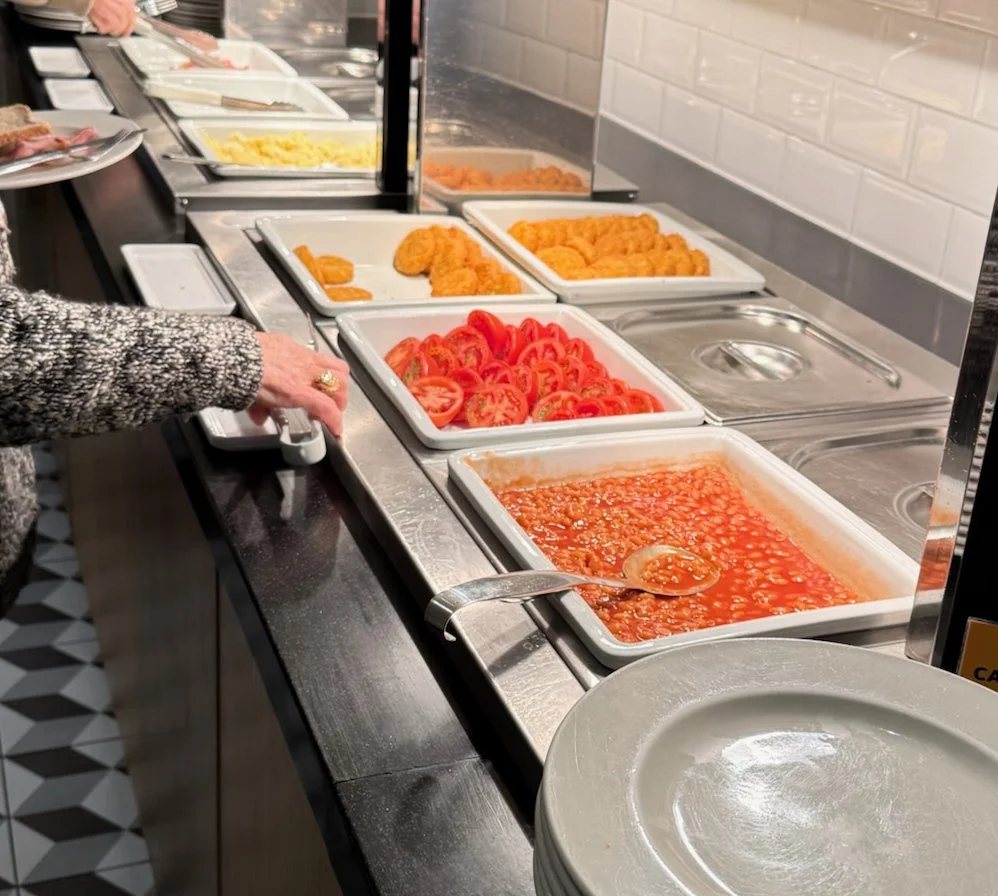
93 - And it's just not breakfast in the UK without Heinz Baked Beans, tomato slices, and back bacon. Cheers!
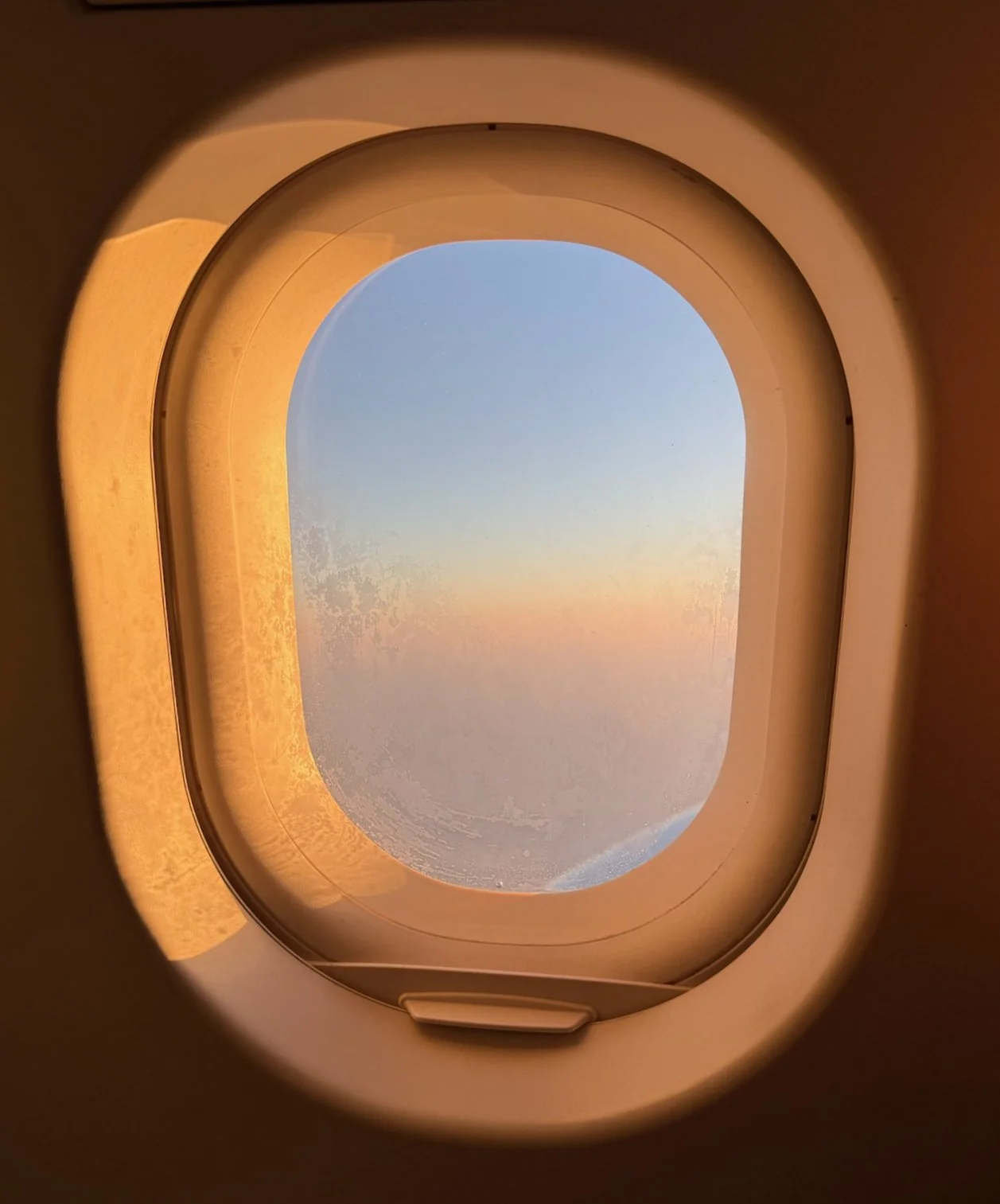
94 - An eerie photo snapped somewhere over the Atlantic or Canada during our return flight.